-
 Leptokurtic
Detecting Crashes with Fat-Tail Statistics
We built fatcrash, a Rust+Python toolkit with 15 crash detection methods: LPPLS, DFA, EVT, Hill, Kappa, Hurst, GSADF, momentum/reversal, price velocity, and more. Tested on 96 drawdowns across BTC, SPY, Gold, 23 forex pairs, and equity crises with honest precision/recall/F1 metrics. Plus: which methods transfer to revenue and profit data.
Leptokurtic
Detecting Crashes with Fat-Tail Statistics
We built fatcrash, a Rust+Python toolkit with 15 crash detection methods: LPPLS, DFA, EVT, Hill, Kappa, Hurst, GSADF, momentum/reversal, price velocity, and more. Tested on 96 drawdowns across BTC, SPY, Gold, 23 forex pairs, and equity crises with honest precision/recall/F1 metrics. Plus: which methods transfer to revenue and profit data.
-
 The Edge of Chaos
What Actually Moves Prices
The series has argued that markets move themselves, but there is now a clean mainstream number for that claim. Gabaix and Koijen estimate that one dollar flowing into the stock market raises aggregate market value by about five dollars. Bouchaud ties the same result to microstructure and latent liquidity. Prices are news, flows, and market inelasticity made visible.
The Edge of Chaos
What Actually Moves Prices
The series has argued that markets move themselves, but there is now a clean mainstream number for that claim. Gabaix and Koijen estimate that one dollar flowing into the stock market raises aggregate market value by about five dollars. Bouchaud ties the same result to microstructure and latent liquidity. Prices are news, flows, and market inelasticity made visible.
-
 The Edge of Chaos
Reflexivity by the Numbers
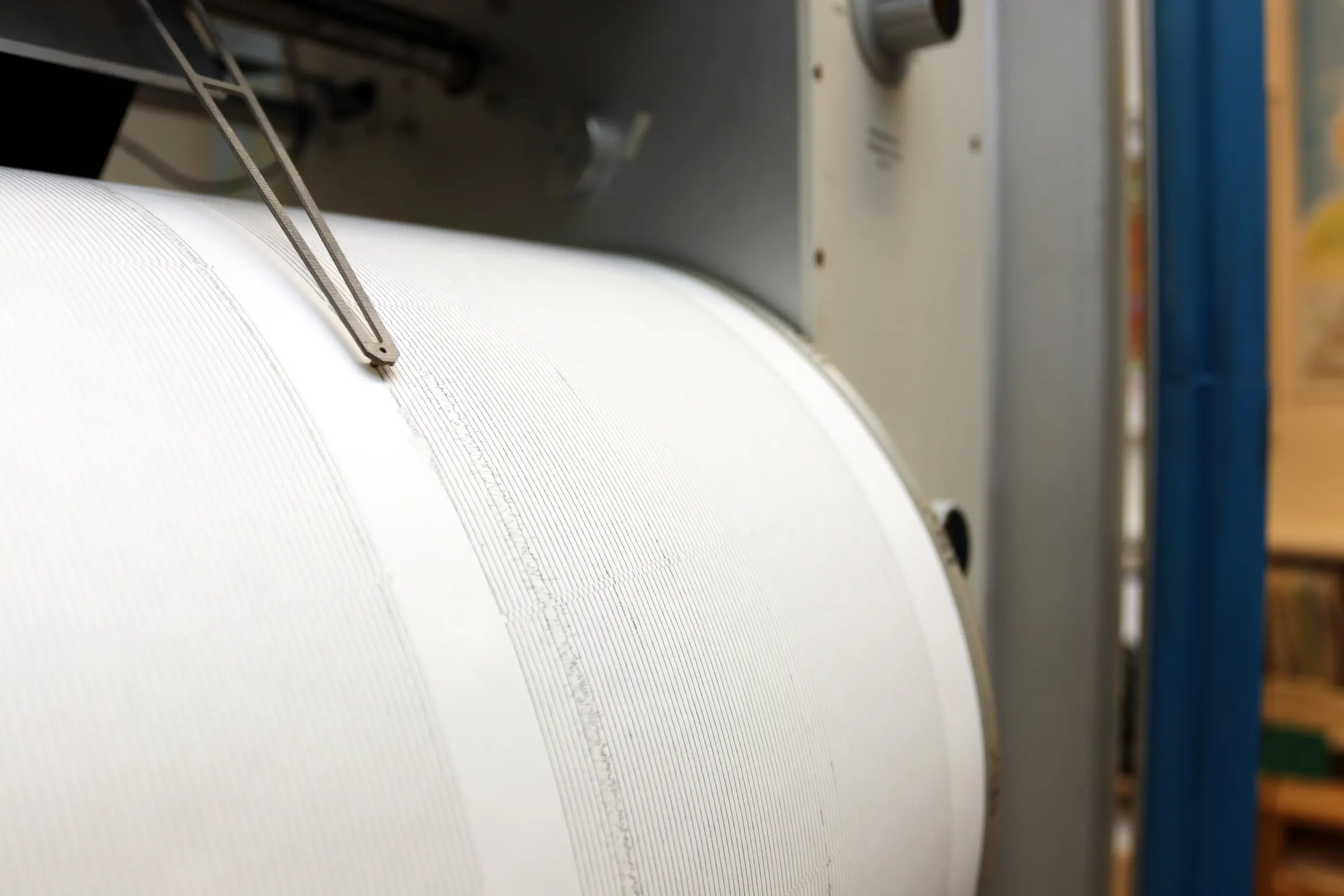
Everyone agrees markets react to themselves. The question is how much. A statistical tool built for earthquakes turns that vague idea into a single number: the fraction of market activity that is the market reacting to its own moves rather than to outside news. The number turns out to be close to the level where a chain reaction would run away.
The Edge of Chaos
Reflexivity by the Numbers
Everyone agrees markets react to themselves. The question is how much. A statistical tool built for earthquakes turns that vague idea into a single number: the fraction of market activity that is the market reacting to its own moves rather than to outside news. The number turns out to be close to the level where a chain reaction would run away.
-
 The Edge of Chaos
Sandpiles and Crashes: How Systems Tune Themselves to the Brink
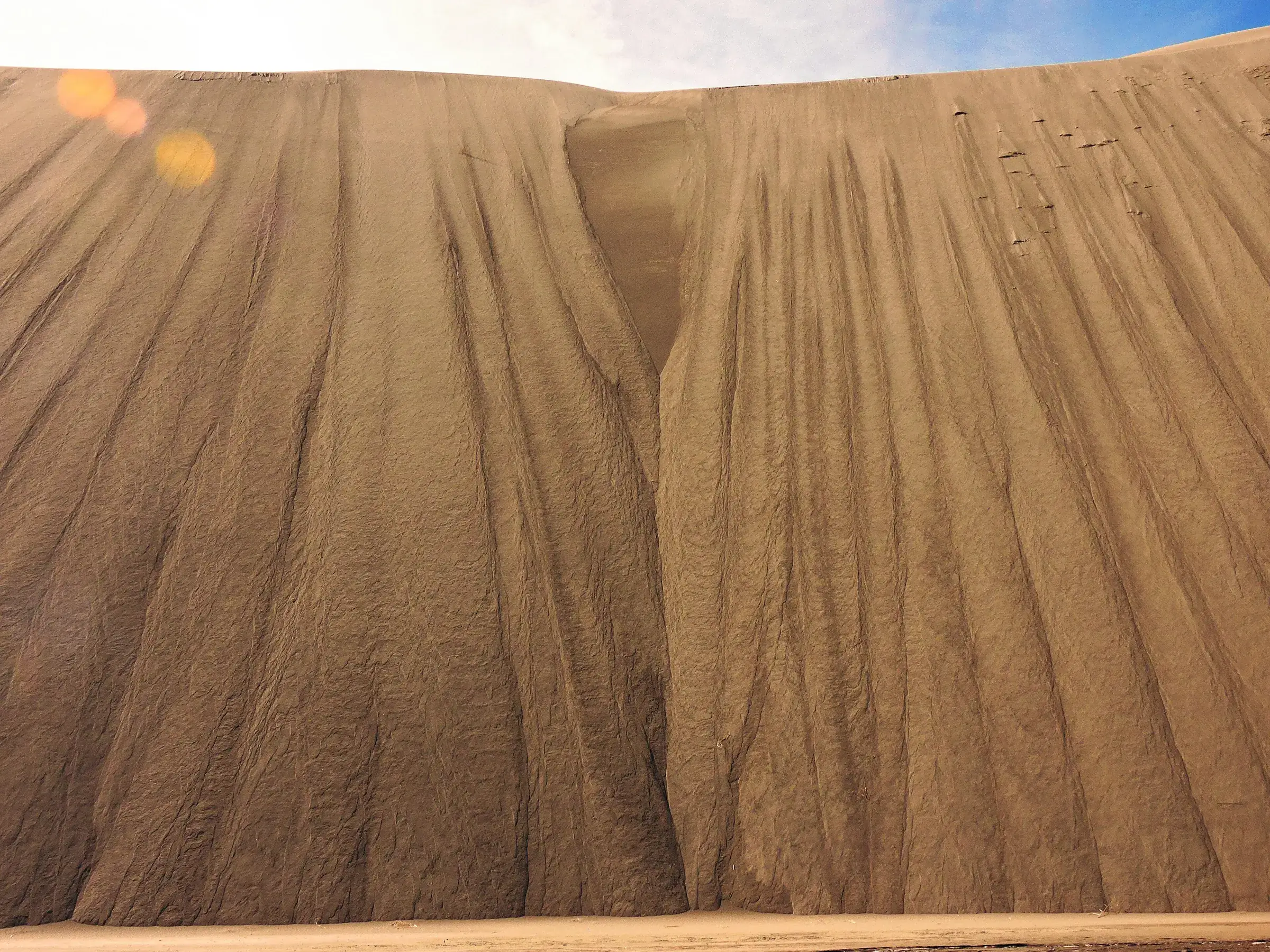
The last essay left a loose end. Markets can sit near a critical edge where small shocks cascade, but critical points are usually finely tuned, so who keeps a market balanced there? The answer, found in a pile of sand, is that nobody does. Some systems walk to the brink on their own, and that is where their crashes come from.
The Edge of Chaos
Sandpiles and Crashes: How Systems Tune Themselves to the Brink
The last essay left a loose end. Markets can sit near a critical edge where small shocks cascade, but critical points are usually finely tuned, so who keeps a market balanced there? The answer, found in a pile of sand, is that nobody does. Some systems walk to the brink on their own, and that is where their crashes come from.
-
 The Edge of Chaos
Crashes Without a Cause: Markets as Phase Transitions
Big market moves often show up with no news to explain them. A hundred-year-old model of magnets shows why. When people copy each other strongly enough, a market can hold two moods at once, and the smallest nudge tips it from one to the other. We build the model from scratch, with pictures, then turn it on markets.
The Edge of Chaos
Crashes Without a Cause: Markets as Phase Transitions
Big market moves often show up with no news to explain them. A hundred-year-old model of magnets shows why. When people copy each other strongly enough, a market can hold two moods at once, and the smallest nudge tips it from one to the other. We build the model from scratch, with pictures, then turn it on markets.