All articles
11 essays, each complete in a single page. Longer arguments live in series.
2026
-
 When Civilization Escapes the Human
Most analyses of how AI will impact society focus on the economy. Why we should focus not only on the economic impact of artificial intelligence, but also on purpose and agency.
When Civilization Escapes the Human
Most analyses of how AI will impact society focus on the economy. Why we should focus not only on the economic impact of artificial intelligence, but also on purpose and agency.
-
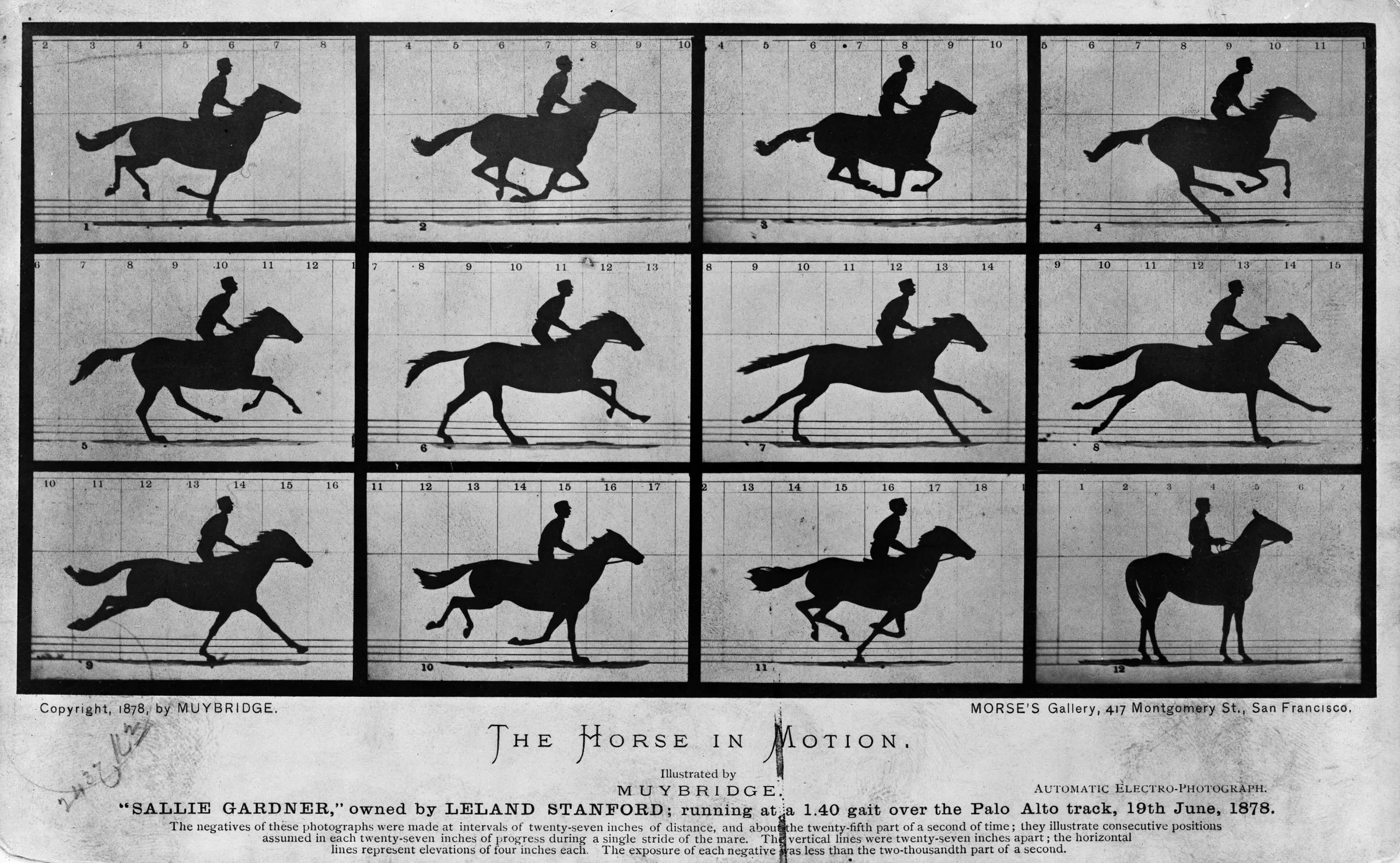 Solving Futbol Like Chess
European futbol optimized what is measurable and converged on a monoculture. On variance, the duel, deep blocks, and the danger of optimizing proxies.
Solving Futbol Like Chess
European futbol optimized what is measurable and converged on a monoculture. On variance, the duel, deep blocks, and the danger of optimizing proxies.
-
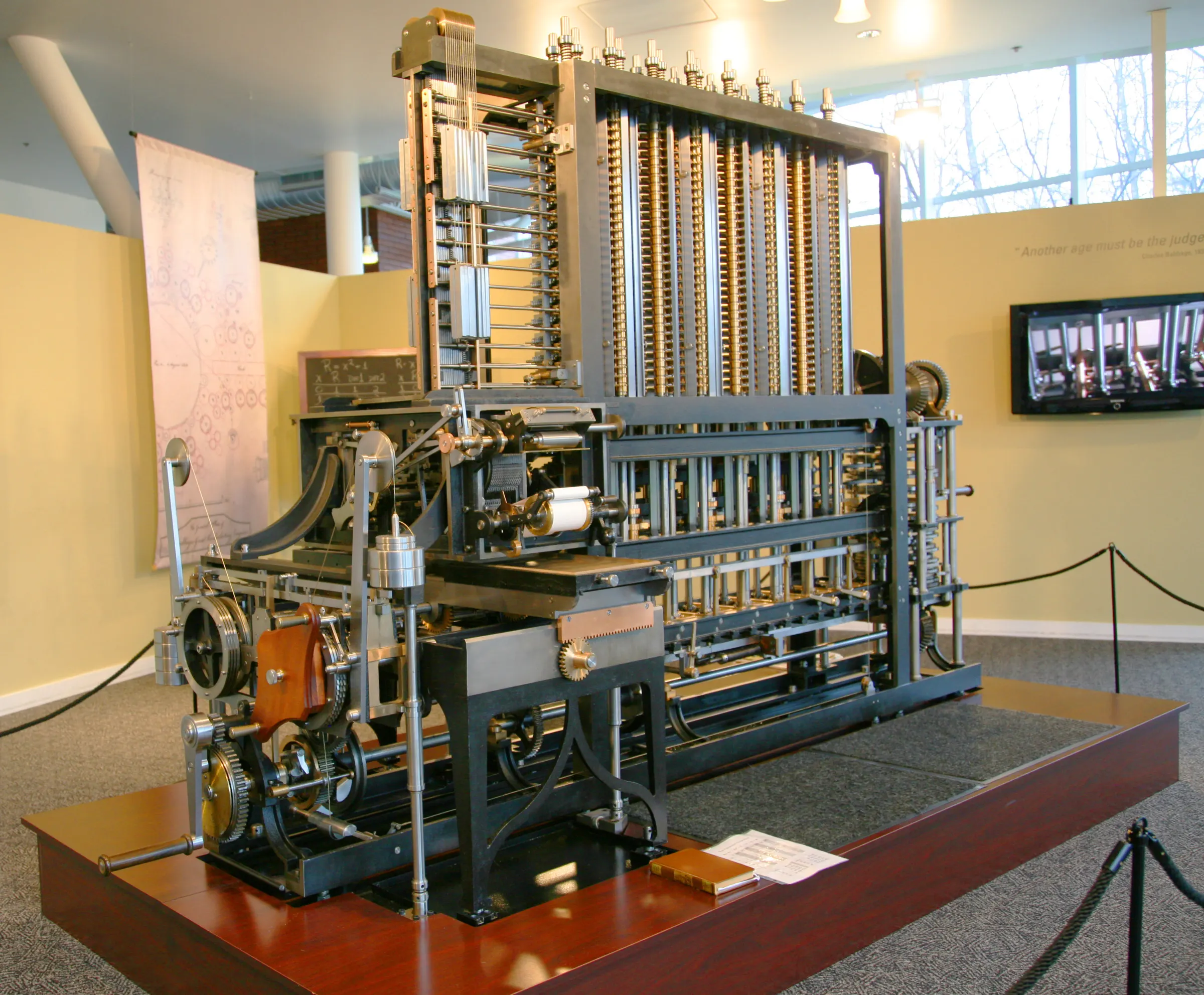 A Proof Is Only as Good as Its Spec
Formal verification doesn't eliminate risk. It relocates it into the spec, the model, and the trusted base. Five runnable Lean 4 proofs that compile cleanly and still sit on real bugs.
A Proof Is Only as Good as Its Spec
Formal verification doesn't eliminate risk. It relocates it into the spec, the model, and the trusted base. Five runnable Lean 4 proofs that compile cleanly and still sit on real bugs.
-
 Discipline Without Love Optimizes for the Wrong Variable
On pain, building, capitalism, discipline, and realizing I had treated love as something that came after the work.
Discipline Without Love Optimizes for the Wrong Variable
On pain, building, capitalism, discipline, and realizing I had treated love as something that came after the work.
-
 CommitLLM: How to Verify an LLM Inference
LLM APIs ask you to trust that the provider ran the model and settings they advertise. CommitLLM adds cryptographic receipts and audits without zero-knowledge prover costs.
CommitLLM: How to Verify an LLM Inference
LLM APIs ask you to trust that the provider ran the model and settings they advertise. CommitLLM adds cryptographic receipts and audits without zero-knowledge prover costs.
-
 Self-Replicating Programs Emerge from Random Noise
Turing completeness is a shallow pit you fall into. Self-replication is an even shallower one. A recent paper shows that self-replicating programs spontaneously emerge from soups of random code, no design required.
Self-Replicating Programs Emerge from Random Noise
Turing completeness is a shallow pit you fall into. Self-replication is an even shallower one. A recent paper shows that self-replicating programs spontaneously emerge from soups of random code, no design required.
-
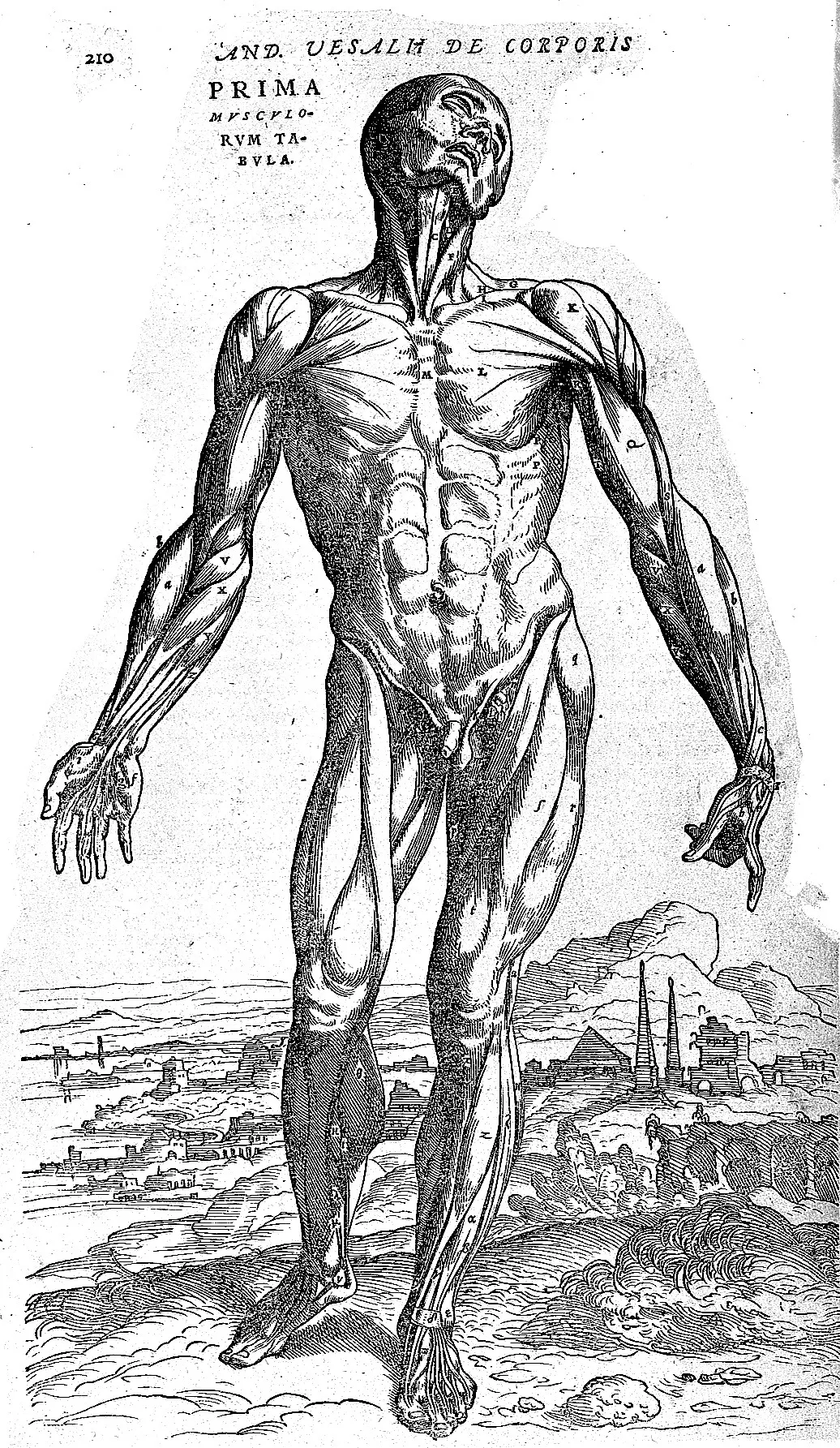 Fede’s Guide to a Healthier Life
An ordered, evidence-based health guide for nerds who used to think the body didn't matter.
Fede’s Guide to a Healthier Life
An ordered, evidence-based health guide for nerds who used to think the body didn't matter.
-
 China is trying to commoditize the complement
What happens to the West's services advantage when strong AI models are free, portable, and running on every laptop?
China is trying to commoditize the complement
What happens to the West's services advantage when strong AI models are free, portable, and running on every laptop?
-
 Fede’s Guide to Type Systems: From Generics to Dependent Types
A practical guide to type systems, from everyday generics to dependent types that prove correctness, with examples in Rust, Scala, and Idris
Fede’s Guide to Type Systems: From Generics to Dependent Types
A practical guide to type systems, from everyday generics to dependent types that prove correctness, with examples in Rust, Scala, and Idris
2025
-
 Thank You to the Argentine Senate
The Argentine Senate gave me a Mención de Honor al Valor Científico. Thank you, and a note about who actually earned it.
Thank You to the Argentine Senate
The Argentine Senate gave me a Mención de Honor al Valor Científico. Thank you, and a note about who actually earned it.
-
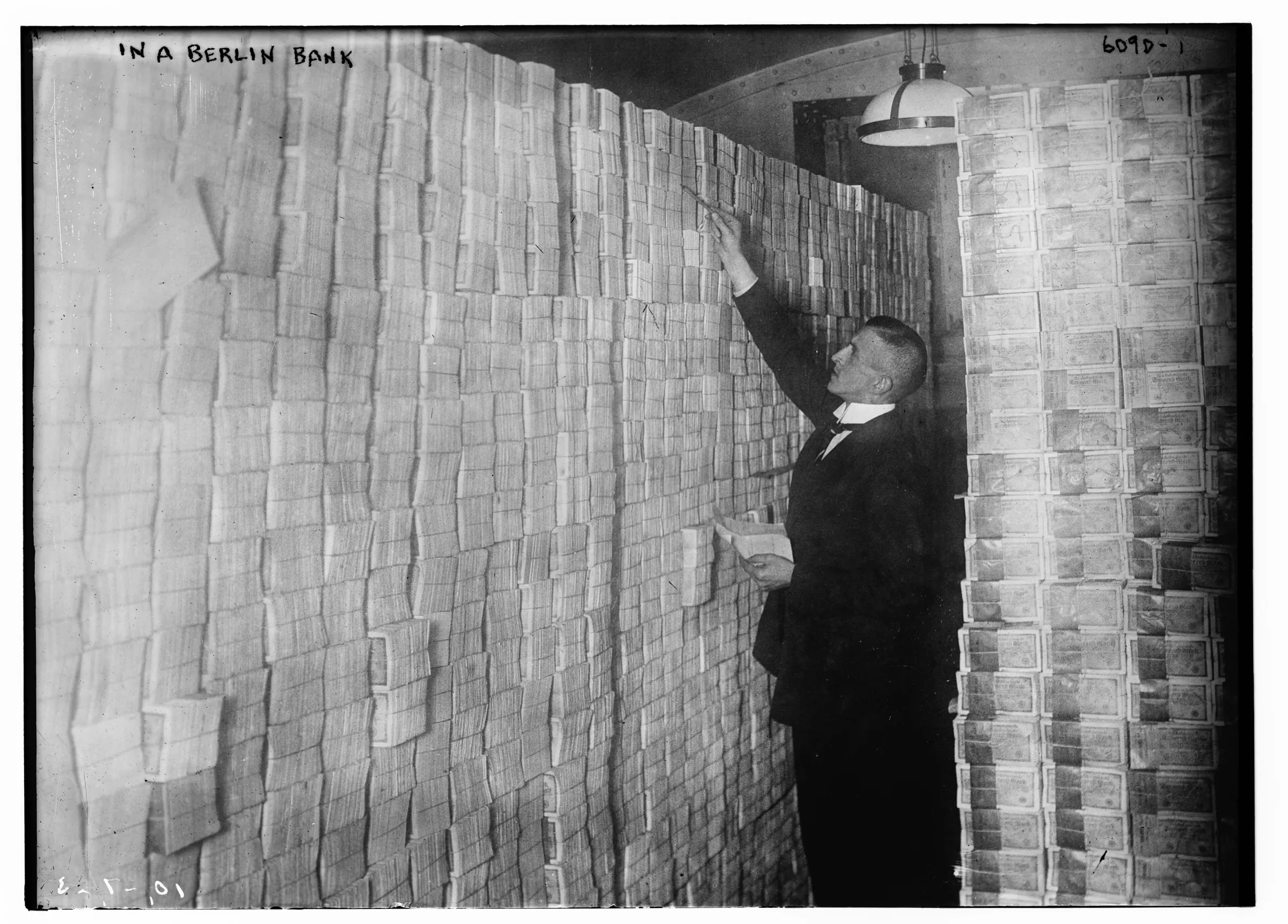 Crypto doctrine
Crypto found product-market fit where trust is weakest: inflationary or censored economies, and internet-native communities that need programmable coordination and markets.
Crypto doctrine
Crypto found product-market fit where trust is weakest: inflationary or censored economies, and internet-native communities that need programmable coordination and markets.