Federico Carrone
I write about things that take a long time to play out: why some things compound and others blow up, what makes institutions and software last, and what we lose when everything speeds up. I also build them. More than a decade ago I founded LambdaClass, where we make Ethrex, Concrete, and Lambdaworks, and with our partners we built pamm.wtf: billions of dollars flow through these systems every month. Over the last two decades, with the teams I’ve worked with, I’ve helped build systems used by millions of people across different industries. On the culture side I’m building 421, a magazine about culture and technology. I direct the academic committee of the Centro de Criptografía y Sistemas Distribuidos at the University of Buenos Aires, and through Ergodic Group I hold companies across distributed systems, AI, gaming, wine, and culture.
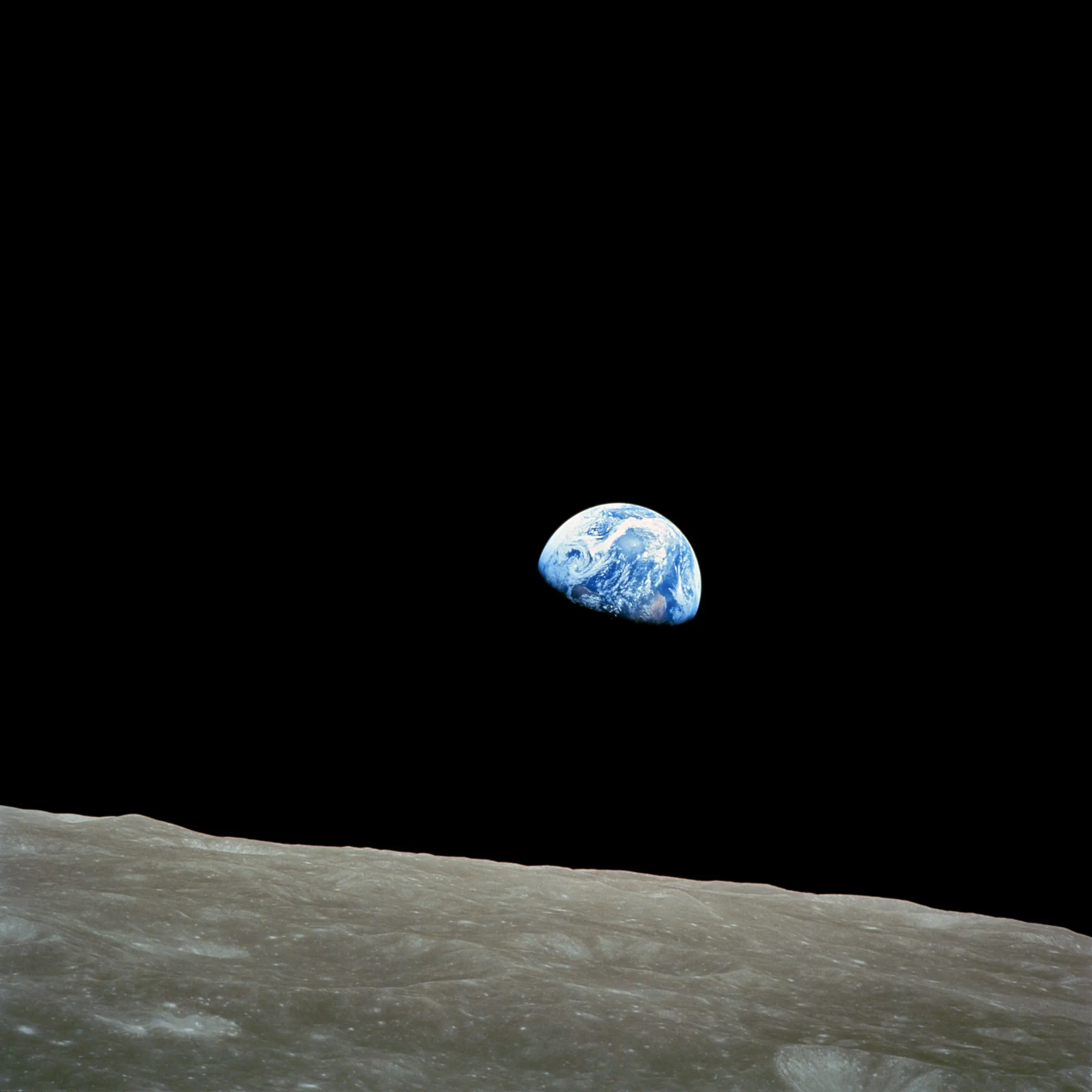
Earthrise, Apollo 8, 24 December 1968. Photo: William Anders, NASA, public domain.
Start here
- Legibility Kills What It Measures What gets lost when we optimize only what we can measure.
- Finance Is Geometry, and It All Comes Back to Jensen’s Inequality The geometry connecting compounding, Kelly, and survival.
- Friction as Luxury: What We Lose When AI Gives Us What We Want Why difficulty and waiting help give life meaning.
- When Civilization Escapes the Human What happens to purpose when civilization no longer needs us?
Latest
All articles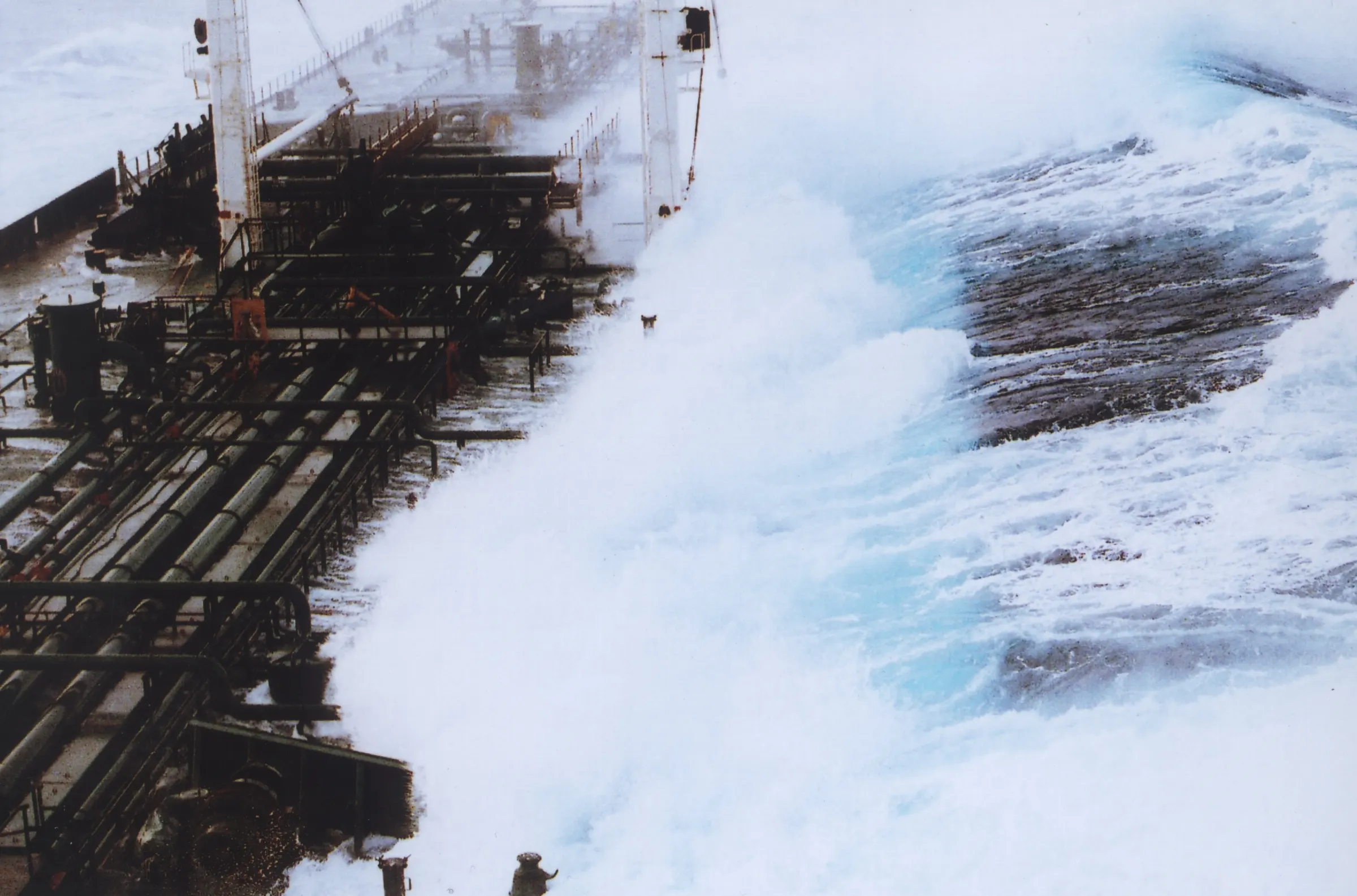 Series · One Path
Why Insurance Makes Both Sides Richer
In expected wealth, insurance is zero-sum: the buyer pays more than the expected loss and the insurer pockets the difference. In the growth rate each side lives through, there is a range of fees where both come out ahead.
A wave estimated at more than 60 feet breaks over the deck of an oil tanker heading south from Valdez, Alaska, February 1993. Photo: Captain Roger Wilson, NOAA Photo Library, public domain.
Series · One Path
Why Insurance Makes Both Sides Richer
In expected wealth, insurance is zero-sum: the buyer pays more than the expected loss and the insurer pockets the difference. In the growth rate each side lives through, there is a range of fees where both come out ahead.
A wave estimated at more than 60 feet breaks over the deck of an oil tanker heading south from Valdez, Alaska, February 1993. Photo: Captain Roger Wilson, NOAA Photo Library, public domain.
-
 One Path
The Kelly Criterion: How Much to Bet When You Have an Edge
The Kelly criterion says how much of your wealth to put on a bet you expect to win: the fraction that maximizes the growth rate you live through over time. Why overbetting is worse than underbetting, and what it means for investors.
One Path
The Kelly Criterion: How Much to Bet When You Have an Edge
The Kelly criterion says how much of your wealth to put on a bet you expect to win: the fraction that maximizes the growth rate you live through over time. Why overbetting is worse than underbetting, and what it means for investors.
-
 One Path
Volatility Drag: Why Your Average Return Overstates Your Wealth
Volatility drag is the gap between an investment's average return and the rate it actually compounds at: roughly half the variance. Where it comes from and what to do about it.
One Path
Volatility Drag: Why Your Average Return Overstates Your Wealth
Volatility drag is the gap between an investment's average return and the rate it actually compounds at: roughly half the variance. Where it comes from and what to do about it.
-
 One Path
Ergodicity, Explained: Why the Average Outcome Is Not Your Outcome
A process is ergodic when the average over time equals the average across people. Wealth is not ergodic, and that changes how you should bet, invest and size risk.
One Path
Ergodicity, Explained: Why the Average Outcome Is Not Your Outcome
A process is ergodic when the average over time equals the average across people. Wealth is not ergodic, and that changes how you should bet, invest and size risk.
Explore
Ideas, simulations and dataTry an idea
All 28 simulationsChange the assumptions and see what happens. These models generate their own data; they are not real-world measurements.
- When does one grain trigger an avalanche?Add grains and watch a sandpile reach the edge of instability.
- How does a simple rule produce chaos?Adjust the growth rate and follow equilibrium into cycles and chaos.
- Can managing risk create more risk?Explore what happens when participants reduce their exposure at the same time.