Leptokurtic
Financial returns have fat tails. Crashes that Gaussian models call impossible happen regularly. This series assembles twenty centuries of financial data, builds a crash-detection toolkit from 17 methods, tests tail hedging with real options data, and then explains the geometric logic tying the whole picture together.
Episodes
 Episode 1 – Twenty Centuries of Financial Data: What 240 Countries and 2,000 Years Reveal
We assembled forex-centuries, an open dataset of exchange rates, gold, silver, interest rates, commodity prices, GDP, sovereign debt, and more — 27 sources spanning 1 CE to 2026, covering 240 countries. Fat tails are universal. Pegged currencies are the most dangerous. Every currency loses against gold.
 Episode 2 – Detecting Crashes with Fat-Tail Statistics
We built fatcrash, a Rust+Python toolkit with 15 crash detection methods: LPPLS, DFA, EVT, Hill, Kappa, Hurst, GSADF, momentum/reversal, price velocity, and more. Tested on 96 drawdowns across BTC, SPY, Gold, 23 forex pairs, and equity crises with honest precision/recall/F1 metrics. Plus: which methods transfer to revenue and profit data.
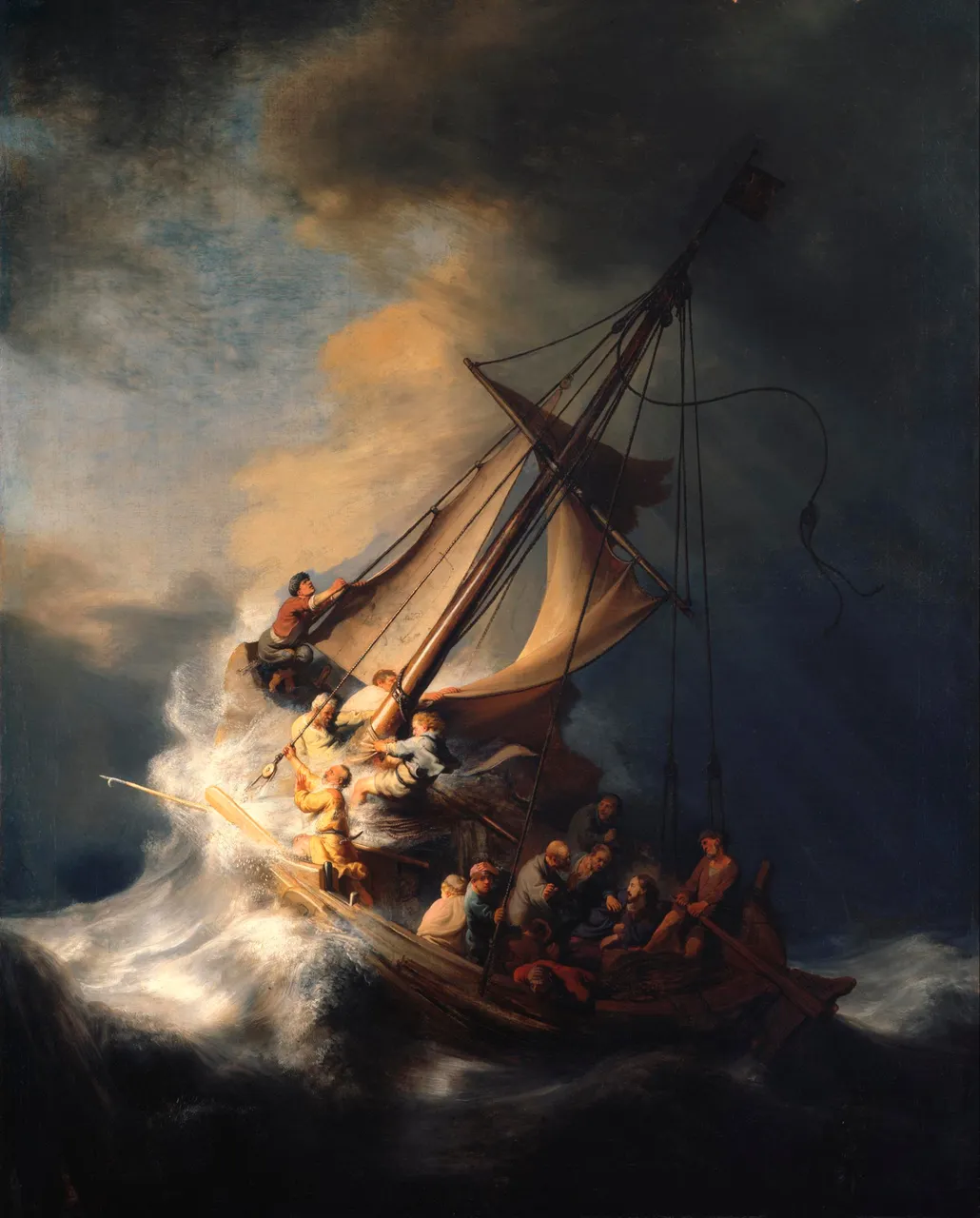 Episode 3 – The Tail Hedge Debate: Spitznagel Is Right, AQR Is Answering the Wrong Question
We tested Spitznagel’s tail hedging strategy and AQR’s critique with 17 years of real SPY options data. AQR’s published tests use near-ATM puts in a no-leverage framing, two differences from the portfolio Spitznagel and Universa actually describe. Deep OTM puts beat SPY in both framings; the externally funded overlay wins by the widest margin. Biweekly rebalancing is the practical default (Sharpe 1.3); weekly pushes the backtest Sharpe to 2.2 but should be read as an upper bound. Macro signals are useless for timing.
 Episode 4 – At the Core of Finance Lies Geometry. In the End, It’s All Jensen’s Inequality.
A 400-year journey through logarithms, Kelly, ergodicity, and tail risk to show why geometry sits at the core of finance and why Jensen’s inequality ties the whole story together.
This series is in progress, stay tuned!