Les Circuits Longs
Dissolution runs at computational speed. Construction runs at biological speed. Friction was the governor that kept them in sync. This series traces a single mechanism from several angles: what happens when optimization outpaces formation.
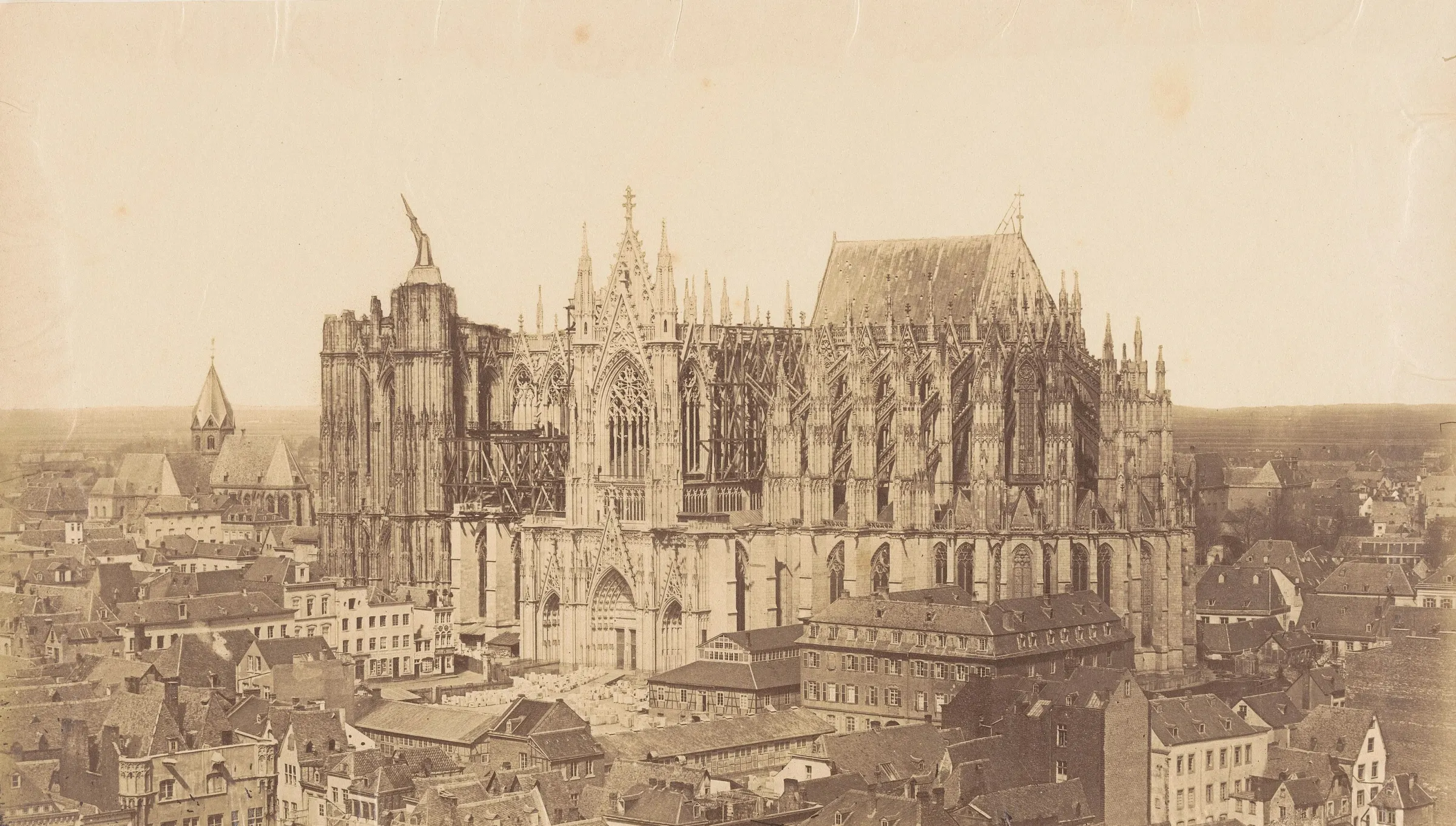
On the image Work on the cathedral stopped around 1473 and the builders’ crane stayed on the tower for four centuries until the work resumed. Construction runs at the pace of generations, which is the clock this series keeps measuring against faster ones. Cologne Cathedral during its completion, seen from the south, 28 August 1858. The medieval crane still stands on the unfinished south tower. Photo: unknown photographer (inscribed Olga Hompesch), Rijksmuseum, CC0, via Wikimedia Commons.
Something is breaking that should not be breakable. Brands that took a century to build are losing it in a quarter. Selves that took an adolescence to form are losing it in a feed. Institutions that took generations to set are getting optimized into something cheaper inside a single product cycle.
The pattern reaches across domains. It is what happens when dissolution runs at machine speed and construction still runs at biological speed. Friction used to be the governor between the two clocks. It is being removed everywhere at once, and what we are watching is the gap that opens up when only one of the speeds gets faster.
The series circles that one mechanism from five sides:
- Permanence, time, and ergodicity. Some businesses get better with age. Others forget what they were and lose it. The difference is which clock they are running on.
- The death of the inner self. Individuality is a coordination technology, not a fixed feature of being human. It emerged for reasons that are weakening.
- Friction as luxury. When AI delivers everything you want without effort, desire itself becomes the scarce resource.
- Legibility kills what it measures. A lot of what worked, worked because it could not be seen clearly. Make it legible and it stops working.
- Dissolution without construction. Every previous technology that dissolved a form of selfhood also cultivated the next one. The current ones only dissolve.
Scott, McLuhan, Polanyi, and Illich are in the background. The argument is plainer than they make it sound: speed without formation becomes erosion, and erosion does not announce itself.
Episodes
-
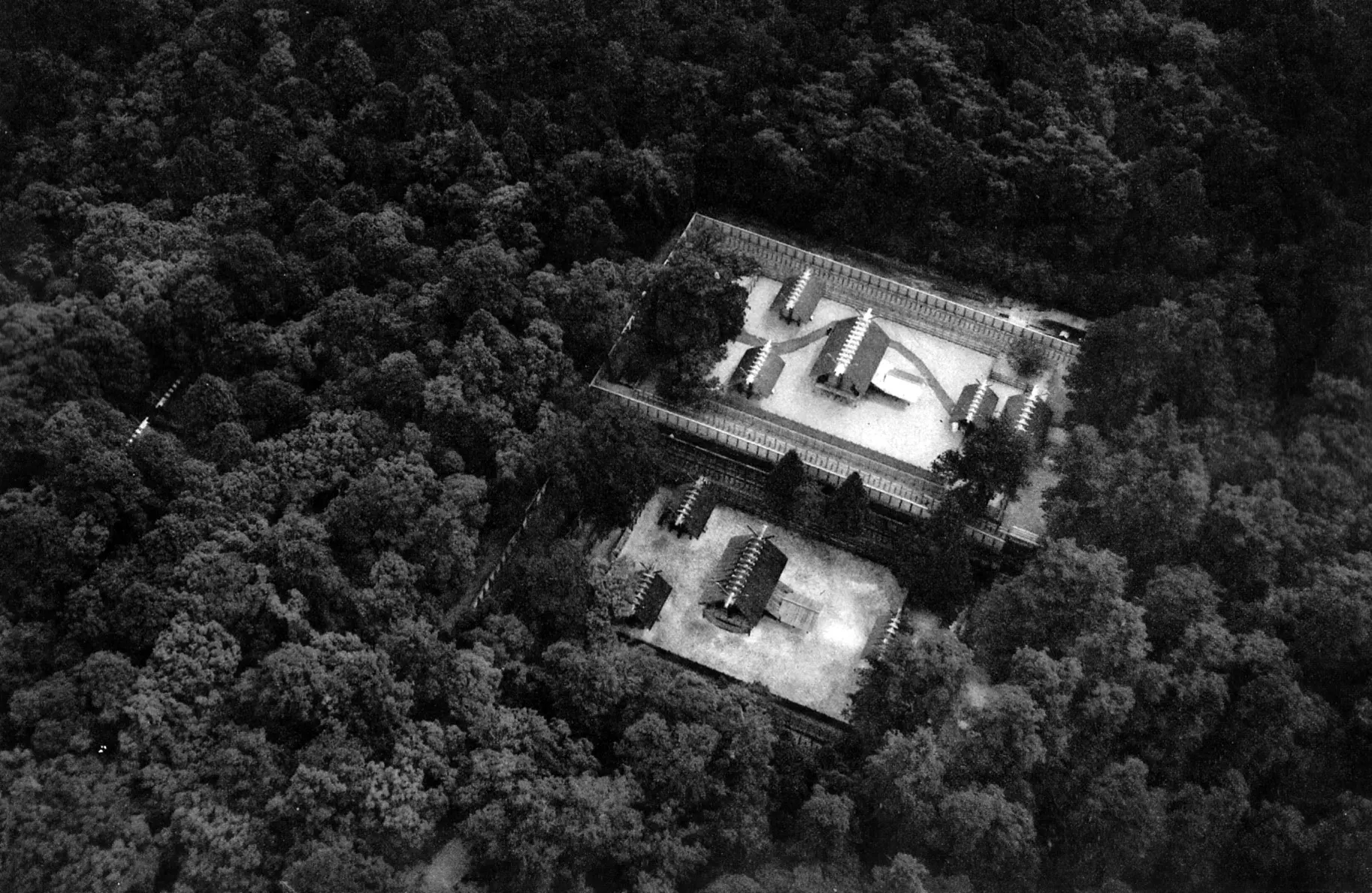
Episode 1: Notes on permanence, time, and ergodicity
Some businesses get better with time. Others lose their nerve, their standards, and their memory. This is about the difference.
-
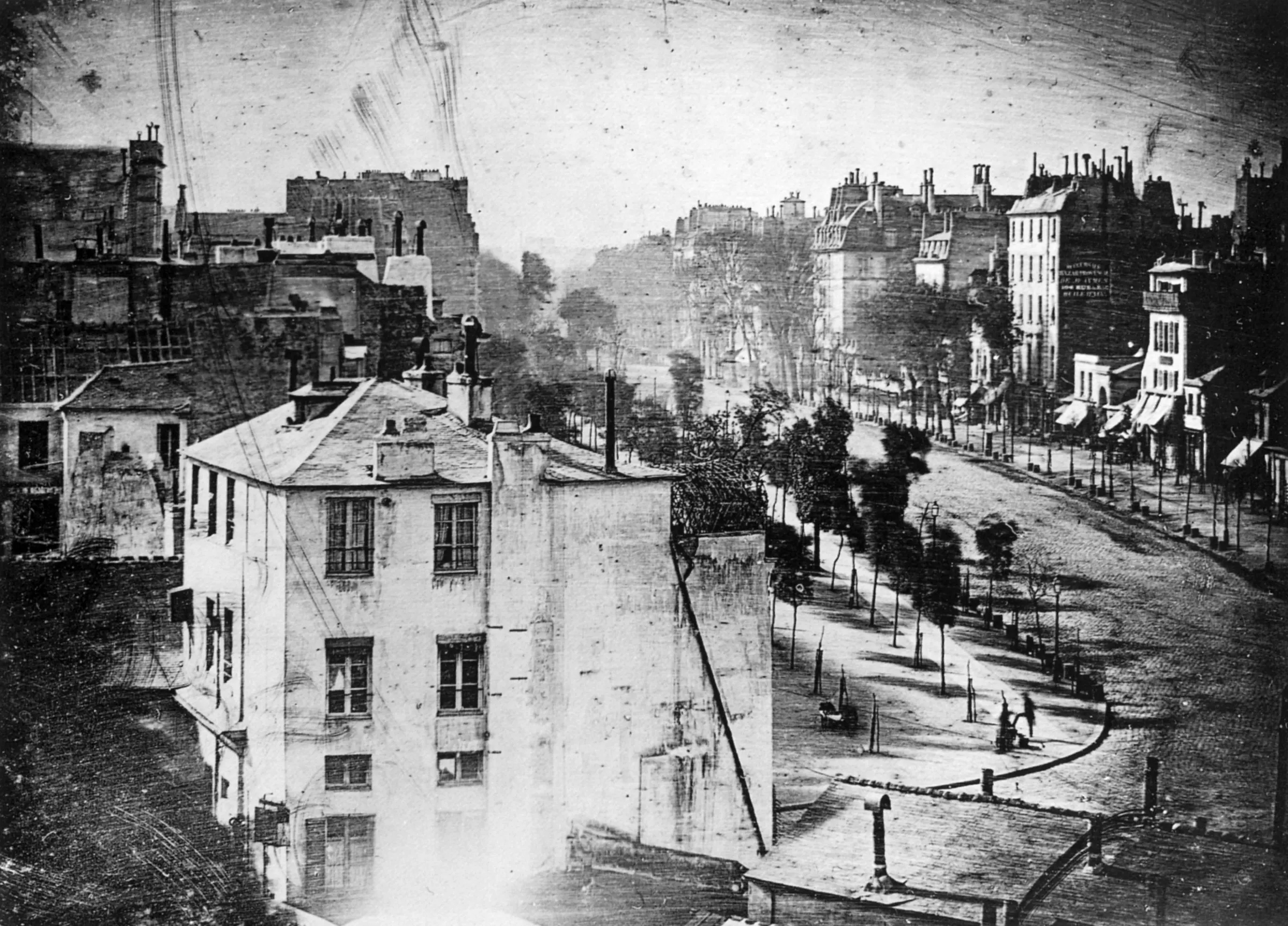
Episode 2: The Death of the Inner Self
Individuality is a coordination technology. It emerged under specific historical conditions, and those conditions are weakening as computation, capital, and automated feedback loops absorb the functions it once performed.
-
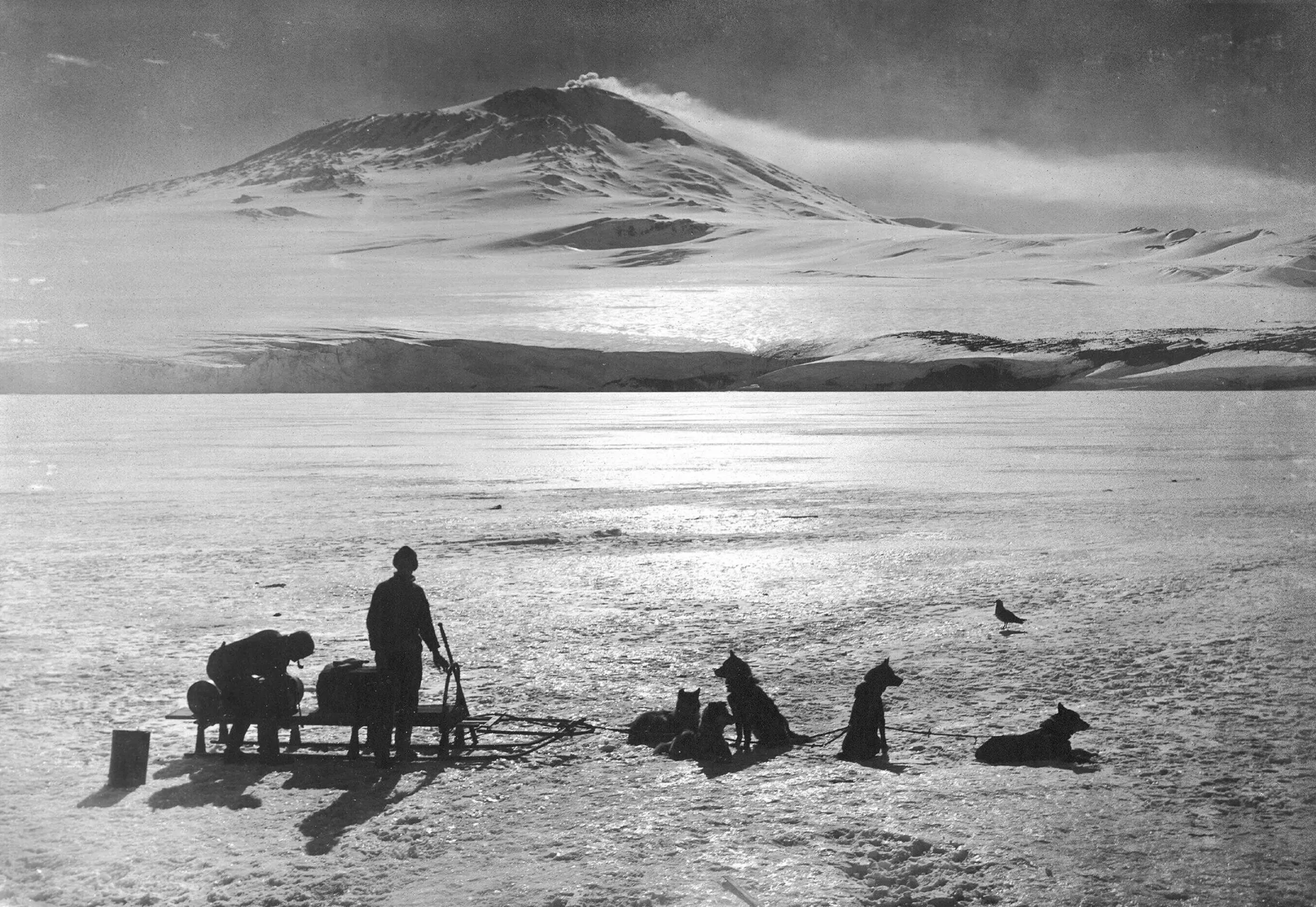
Episode 3: Friction as Luxury: What We Lose When AI Gives Us What We Want
The scarcity that matters most in a post AGI world won’t be compute or energy. It will be desire itself.
-
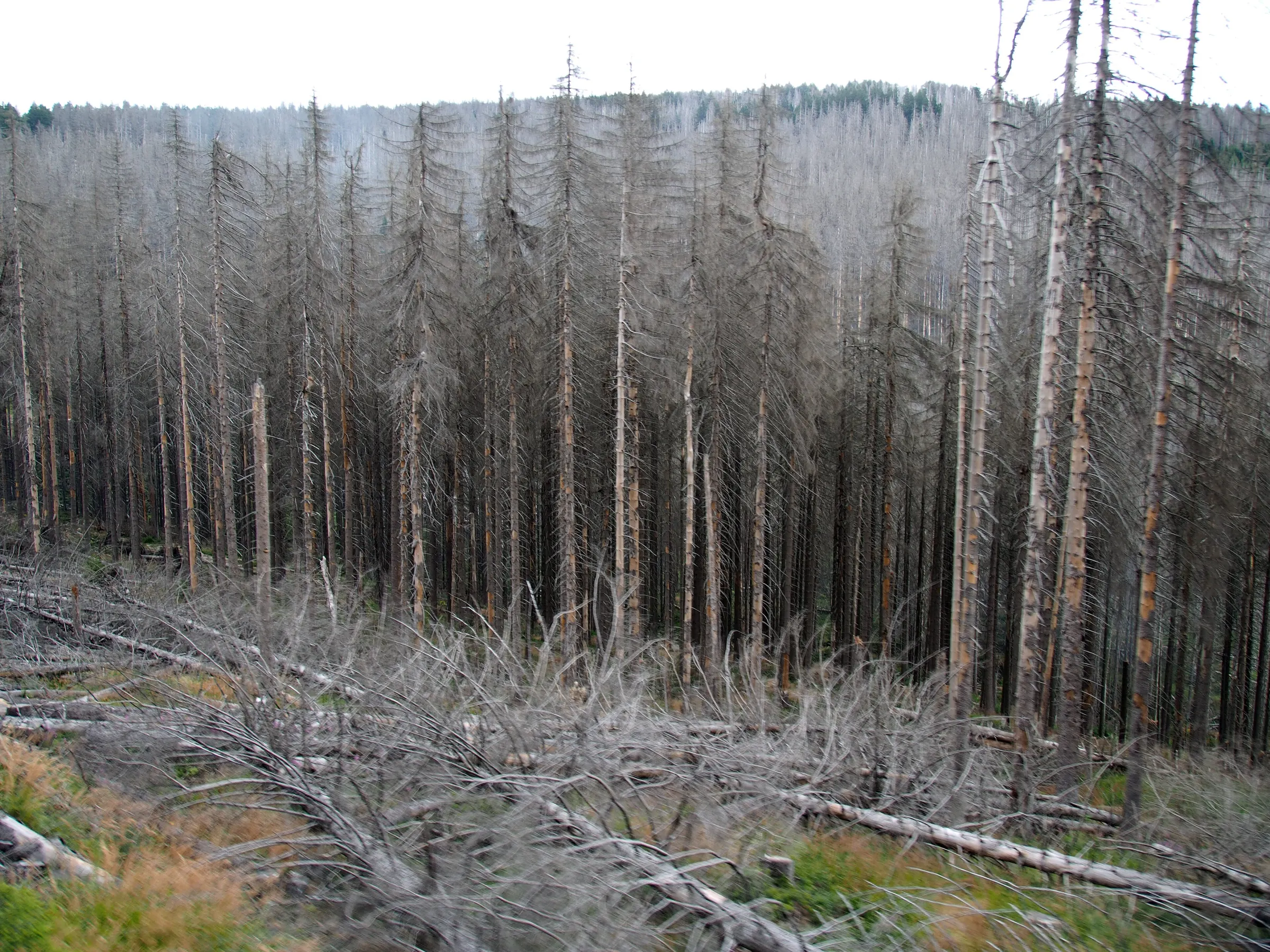
Episode 4: Legibility Kills What It Measures
What happens when AI makes everything legible? The things that worked because they couldn’t be seen clearly may stop working once they can.
-
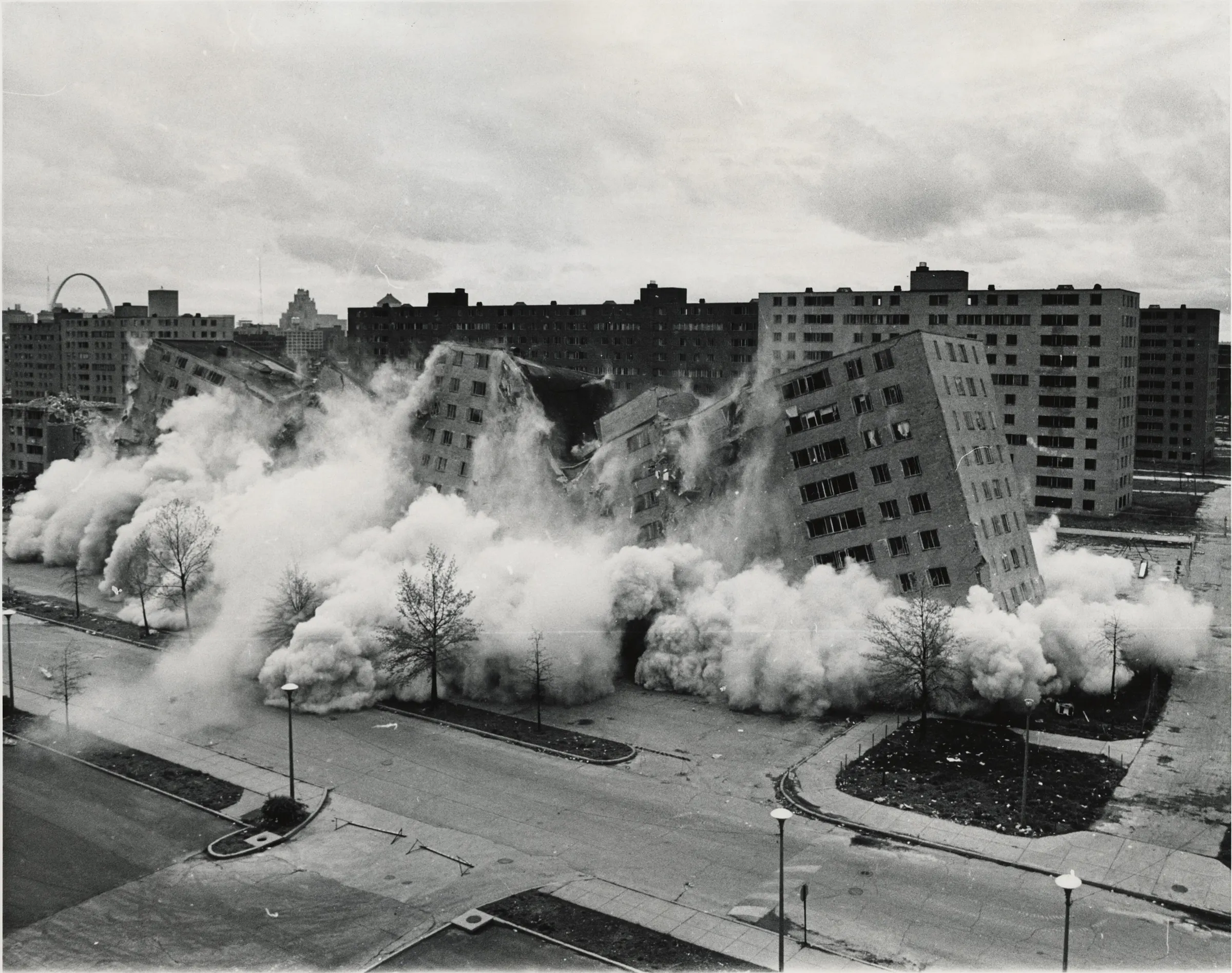
Episode 5: Dissolution Without Construction
Every previous coordination technology that dissolved a form of selfhood also cultivated the next one. Current algorithmic systems only dissolve. The problem is the speed mismatch.
This series is in progress. More episodes are coming.