Fede’s Guide to a Healthier Life
An ordered, evidence-based health guide for nerds who used to think the body didn't matter.
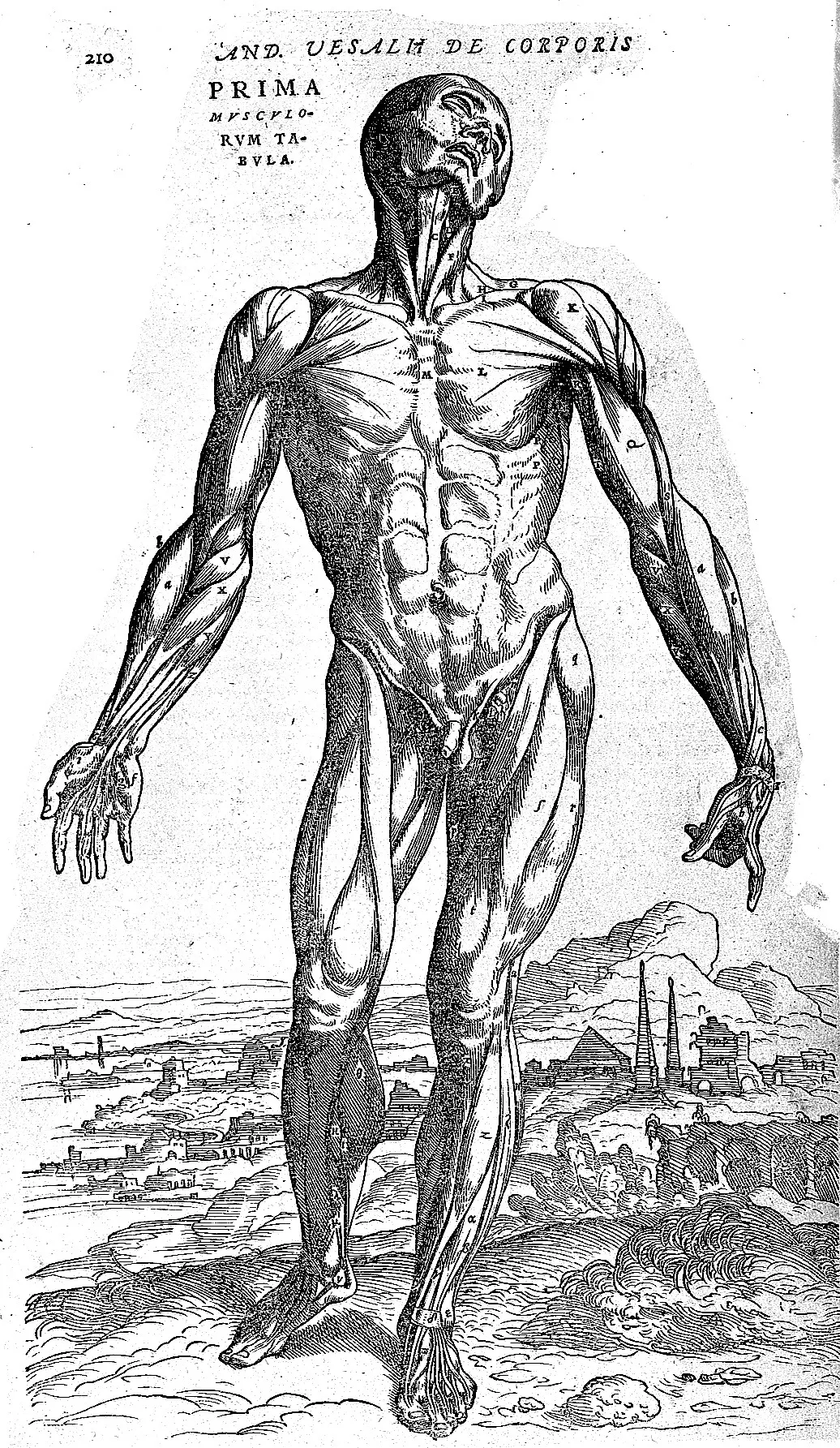
On the image Vesalius learned the body by looking at it instead of trusting the textbooks. That is the method of this guide too. Muscle man from Andreas Vesalius, De humani corporis fabrica, 1543. Wellcome Collection, CC BY 4.0, via Wikimedia Commons.
When I was young I loved science and engineering. Like most nerds, I thought thinking was the only thing that mattered. Working out seemed like a vanity project, something for people who cared about how they looked and not much else. I didn’t understand the body-mind connection at all. I was a skinny kid who spent all day reading, tinkering with computers, and hanging out with friends. The idea that physical health could affect how well I think would have sounded like nonsense to me.
It took me a long time to figure out how wrong I was.
This guide is what I wish someone had handed me back then. Most of it is stuff with good research behind it. Some of it is things that seem useful but where I would be more cautious. The studies are linked at the end if you want to check them yourself.
One thing before you start: order matters. The biggest mistake is working on the wrong layer. People buy supplements while sleeping six hours a night. They track every calorie while sitting still all day. Fix the foundation first. What you do most days matters much more than the occasional big push.
This is practical guidance, not personal medical advice. If you are pregnant, have a chronic condition, or take medication, do not treat supplement doses or treatment-style suggestions here as defaults. Talk to a clinician first.
#The short version
If you read nothing else, read this. These eleven habits capture most of what the research says actually matters.
- Sleep 7-9 hours at consistent times
- Walk 7,000-10,000 steps every day
- Lift weights three times a week
- Avoid ultra-processed food
- Eat 1.6-2.2g of protein per kg of bodyweight
- Get daylight daily, and regular sun exposure without burning
- Maintain close relationships, in person
- Delete social media, or at least delete the feed
- Minimize alcohol
- Do hard cardio at least once a week
- Build and maintain muscle and VO2max across your life
Do these consistently and you are already ahead of most people. Everything below explains why.
#The hierarchy
- Sleep – everything else breaks without it
- Movement – walk and lift, consistently
- Food – real ingredients, enough protein
- Metabolic health – a central driver of modern chronic disease
- People – social isolation raises mortality risk in a real way
- Purpose – having something worth being healthy for
- Mind – stress does physical damage
- Breathing – small changes can have surprisingly large effects
- Light & environment – what surrounds you every day matters
- Brain health – keep learning, protect your hearing
- Heat & cold – potentially useful, but much less foundational than the basics
- Supplements – conditional tools, only once the rest is solid
- After 35 – testosterone and a few age-specific extras
#Sleep
Not just enough hours. Consistently. Irregular sleep schedules predict mortality more strongly than sleep duration itself. Even after controlling for how long people sleep, the most regular sleepers have substantially lower risk of dying from any cause.
Pick a wake time. Keep it every day, including weekends. That one decision improves almost everything else downstream.
A lot of people think they function fine on five or six hours. Most of them don’t. The problem with chronic short sleep is that people adapt to feeling bad. They stop feeling acutely sleepy and mistake that adaptation for functioning normally.
When researchers restricted people to six hours a night for two weeks, their cognitive performance fell to the level of someone who had been awake for 24 hours straight, but they stopped noticing. Performance kept getting worse while they kept thinking they were fine. You cannot trust your own judgment about whether you are sleeping enough.
Morning light anchors the whole system. Spend 10-15 minutes outside in natural light within an hour of waking, no sunglasses. This tells your brain what time it is. That signal sets when you get tired, when melatonin releases, and when you fall asleep that night.
Your bedroom should be cool, dark, and quiet. Around 18-20C (64-68F). Even faint light through closed eyelids disrupts sleep quality. Keep the phone out of the room.
Caffeine lasts longer than you feel it does. Its half-life is 5-7 hours. A coffee at 3pm still has half its effect at 9pm. People who sleep badly often drink more coffee to compensate, which makes the sleep worse, which increases the coffee. That loop can run for years without anyone noticing. Try cutting it off at noon for two weeks. Most people are surprised by the difference.
If caffeine makes you crash later in the day, try delaying your first coffee 60-90 minutes after waking. The evidence for an exact timing window is weaker than internet advice makes it sound, but for some people it genuinely helps smooth energy across the day. Worth experimenting with.
Before bed, some people benefit from magnesium glycinate (300-400mg) or inositol (1-2g), taken 30-60 minutes before sleep. These are optional, not foundational. Reasonable experiments if sleep is shaky, but not substitutes for fixing light, caffeine, schedule, and stress.
Afternoon dip: 10-20 minutes of NSDR (non-sleep deep rest) or yoga nidra can restore alertness without the grogginess of a long nap.
If you snore, wake unrefreshed, or feel exhausted despite adequate hours: get screened for sleep apnea. It is far more common than most people realize, and many cases go undiagnosed. Treatment, if needed, can produce dramatic improvements in energy, mood, and cognitive function.
#Movement
People hear “exercise” and think gym membership, running plans, or complicated routines. But the people who walk the most have roughly half the mortality risk of those who walk the least. That is walking. No gym. No equipment. No special skill.
Aim for 7,000-10,000 steps a day. The benefit plateaus at different levels depending on age. Roughly 6,000-8,000 for adults over 60, and 8,000-10,000 for younger adults. There is no need to obsess past that. The point is daily movement.
Lift weights three times a week. Muscle is not just cosmetic. It is metabolically active tissue. It regulates blood sugar, produces anti-inflammatory signals, and improves how you feel and perform every day. Squats, deadlifts, pressing, rowing, and other compound movements done consistently capture most of the benefit.
Train balance on purpose. Good balance prevents injuries, improves athletic performance, and makes everything from hiking to playing sports safer. Five to ten minutes before a workout is enough. Single-leg stands, step-ups, hip stability work.
Address mobility and posture. Sitting for 8-10 hours a day shortens the hip flexors, weakens the posterior chain, and contributes to stiffness, weak hips, and bad spinal mechanics. All of that feeds chronic back pain. Five minutes a day goes a long way. Hip flexor stretches, thoracic rotation, hamstring work, basic mobility. The goal is to maintain full range of motion in every joint across your life.
Do 1-2 hard cardio sessions a week. VO2max is one of the strongest predictors of lifespan we have. The gap between low and moderate fitness is one of the largest mortality differences of any modifiable factor. Hard cardio also helps mood and depression comparably to medication, partly because it raises BDNF, a protein that helps the brain grow and repair itself.
Here is the good news if you are starting from zero: even 15 minutes a week of vigorous effort (jogging, fast cycling, hiking uphill) seems to get you a surprisingly large share of the total benefit. The curve is steep at the bottom. A lot of the gain appears to come from going from nothing to something. You do not need an hour. You need to get your heart rate up a few times a week and actually push.
Protocol: 4-8 minutes of genuinely hard effort, rest, repeat 2-4 times. Run, bike, row, swim, anything that forces you to work.
Add 150 minutes of easy movement per week on top of that. Walking counts. So does cycling, swimming, or anything you can do while still holding a conversation. Hard sessions build capacity. Easy movement keeps everything working between them.
#Food
When people are given ultra-processed food instead of real food, they eat about 500 extra calories a day without noticing. Not because they are weaker or less disciplined. Because processed food is engineered to bypass normal satiety signals. Cook real food and most of the calorie problem becomes much easier.
Drink enough water. Mild dehydration often shows up as fatigue, headaches, and poor concentration, not thirst. Aim for 2-3 liters a day, more if you train, use a sauna, or live in heat. Drink before you feel thirsty. Thirst is a late signal.
Eat enough protein. Aim for 1.6-2.2g per kilogram of bodyweight per day, split across at least three meals. Meat, fish, eggs, dairy, legumes all count. Whole food beats powder most of the time. Protein shakes are a backup, not a foundation.
If it suits you, eat in a roughly 8-10 hour window. This mostly helps with portion control and is often easier to sustain than calorie counting, but it is optional.
Broccoli sprouts are a reasonable optional add-on. A small handful, about 30-60g raw, is enough. Crush them slightly before eating to release sulforaphane. Biomarker evidence is good. Long-term disease prevention is promising but not settled.
Eat fermented food every day. Yogurt, kefir, kimchi, sauerkraut, kombucha. Any of these. Clinical evidence shows improvements in microbiome diversity and inflammatory markers. Fermented foods are cheap, low-risk, and the broader literature points in the same direction.
Minimize alcohol. It disrupts sleep architecture, suppresses muscle protein synthesis, and is classified by the WHO as a Group 1 carcinogen. Any amount increases cancer risk. The U.S. Surgeon General’s 2025 advisory reinforced this. There is no safe amount.
The same basic rule applies to recreational drugs: do not build your life around them, and do not pretend weed is some harmless exception. Cannabis is lower-risk than many other drugs, but lower-risk is not the same as good for you. Regular use can impair attention, memory, motivation, sleep quality, and in some people worsen anxiety, paranoia, or psychosis risk. Smoked cannabis is also still smoke.
The bigger problem is that most people have a stupid picture of what a drug problem looks like. They picture someone homeless, jobless, or obviously falling apart. That is usually not what it looks like at first. A person can still work, train, socialize, and look fine from the outside while the substance quietly becomes non-optional. And from the inside, it rarely feels like dependence. It just feels useful, social, deserved, or temporary. By the time someone can clearly see that they need it, it has usually been running more of their life than they wanted to admit.
If you care about long-term health, the default should be minimization, not rationalization.
Take care of your mouth. Gum disease is strongly linked to cardiovascular disease, diabetes, and dementia. The bacteria responsible enter the bloodstream and drive systemic inflammation. Brush and floss daily, scrape your tongue, get professional cleanings at least once a year.
#Metabolic health
Type 2 diabetes, cardiovascular disease, fatty liver disease, many cancers, and a significant portion of cognitive decline all trace upstream to the same cluster: insulin resistance, chronic inflammation, and visceral fat accumulation. These processes develop slowly and silently, often for decades. By the time something shows up on a standard blood test, the process has usually been underway for years.
Insulin resistance means your cells stop responding well to insulin, so your body has to produce more and more of it to keep blood sugar normal. That can go on for years before fasting glucose looks obviously bad. During that time, insulin stays high, fat storage gets easier, hunger regulation gets worse, energy gets less stable, and the whole system shifts toward inflammation and visceral fat gain. That is why fasting insulin often tells you something earlier than glucose alone.
Metabolic health is highly responsive to behavior. Resistance training, real food, adequate protein, good sleep, and less ultra-processed food address most of it.
Track these markers. These are practical targets, not universally agreed clinical cutoffs, but they are useful benchmarks:
- Fasting insulin: below 10 uIU/mL is reasonable; below 5 is aspirational (common in lean, active people, but not a universal clinical standard).
- Triglyceride-to-HDL ratio: below 2 is good. Above 3 deserves attention.
- Fasting glucose: below 90 mg/dL is associated with good metabolic function.
- HbA1c: below 5.4% usually reflects good glucose regulation.
- Waist-to-height ratio: below 0.5.
If all five are in range, you are usually in a much better place metabolically. If they are not, go back to the basics: lift, walk, sleep, eat real food, get leaner.
#Know your numbers
Most health problems develop quietly. You feel fine until you don’t. Get bloodwork once a year if you can. It is often cheap relative to the damage it can prevent.
These are useful markers, not universal targets. Some are broadly accepted clinical measures, some are practical heuristics, and some are more about optimization than diagnosis.
Blood:
- Vitamin D: 40-60 ng/mL is a reasonable optimization range, not a universal medical target. Many people are low, especially in winter.
- Omega-3 index: 8%+ is a common optimization target, not something everyone needs to test or chase.
- Ferritin, B12, zinc: common silent deficiencies.
- Fasting glucose + fasting insulin + HbA1c: these tell you how your body is handling sugar and how hard it is working to do it.
- Cholesterol panel: LDL, HDL, triglycerides. Ask for ApoB if possible. It predicts cardiovascular risk better than LDL alone.
- hsCRP: a simple inflammation marker. If it is elevated, something upstream is wrong.
- Triglyceride-to-HDL ratio: under 2 is a useful heuristic for metabolic health, not a formal diagnostic cutoff by itself.
Metabolic:
- Waist-to-height ratio: aim for below 0.5. Waist size is one of the simplest proxies for visceral fat, and visceral fat drives disease.
Physical:
- Grip strength: one of the best predictors of how you will age.
- Single-leg balance: stand on one leg, eyes open, for 10 seconds. If you cannot, pay attention.
- VO2max: if you can test it, do. It is one of the strongest longevity predictors available.
Daily:
- HRV (heart rate variability) via a Whoop or Garmin: useful, but noisy. Ignore single readings. Watch the trend.
#People
Social isolation is associated with substantially higher mortality risk, even after adjusting for the usual suspects like smoking, weight, and drinking. It is not just that lonely people eat worse or move less. Isolated people have higher cortisol, sleep worse, and get sick more often. The body notices when nobody is around.
In-person contact is different from digital contact. Texting, screens, following people online. None of it fully replicates the biological and psychological effects of physical presence. Real time with real people matters.
The phone is part of the problem. Social media platforms are engineered to be hard to put down. Variable reward, compulsive checking, fractured attention. Heavy use is consistently linked to worse sleep, higher anxiety, and shorter attention spans.
My recommendation is to delete your social media accounts, or at least run a real deactivation trial. The evidence is not just correlational. In the largest randomized experiment on this, about 35,000 people before the 2020 U.S. election, deactivating Facebook for six weeks improved a combined emotional-state index covering happiness, depression, and anxiety by 0.060 standard deviations. Earlier randomized studies found that quitting Facebook for a week improved life satisfaction and positive emotions, and that taking a one-week break from major platforms improved well-being while reducing depression and anxiety. The literature is not perfectly one-sided, but the better experiments point in the same direction often enough that I think the default should be to stop, not to negotiate with the feed.
The usual advice is to set limits. Use it less, turn off notifications, take breaks. For some people that is enough. For many it is not. The architecture of these products is designed to override your intentions. If you keep failing at moderation, stop trying to manage it. Remove the thing that keeps hijacking your attention.
Keep a way to message people you care about. Delete the feed.
Rules for the phone itself: no phone in the first hour after waking, no phone in the bedroom, no screens at meals, leave it behind on walks. Do a longer break sometimes. Even a weekend changes things. The first few hours feel uncomfortable. Then your attention starts to return.
#Purpose
People with low life purpose have roughly double the mortality risk of those with high purpose.
When you have purpose, you sleep better, train more consistently, recover faster from illness, and carry lower baseline inflammation. Purpose does not make you healthy on its own; it makes you do the things that make you healthy. That is why it belongs this high on the list.
Purpose is not the same thing as happiness. Happiness comes and goes. Purpose is the thing that still asks something from you on bad days. People with strong purpose often report more short-term stress. They also tend to live longer.
It makes discipline automatic. Health behaviors that require sustained willpower are hard when they feel like arbitrary obligations. They become nearly effortless when they’re in service of something real.
Where it comes from: meaningful work, caring for people, building something, getting genuinely skilled at something hard. Not consuming. Not accumulating. Purpose built on contribution and growth tends to last. Purpose built on status collapses the moment the achievements stop arriving.
A question worth sitting with: what would you regret not having done? If the answer is vague, that probably means something.
#Mind
Sustained stress raises cortisol. Elevated cortisol over time suppresses the immune system, impairs memory, and accelerates cardiovascular disease. The body interprets prolonged stress as ongoing threat and responds accordingly, indefinitely, if the signal keeps coming.
There are three ways out: remove the source when you can, calm the body directly, or change how you are reading the situation. Exercise, sleep, sauna, and breathwork calm the body. Therapy can help with the interpretation part. The mistake is treating stress as something noble to endure instead of something to solve.
The specific problem to interrupt is rumination. Most of the damage doesn’t come from the event itself but from replaying it. What breaks the loop: intense physical exercise, deep absorption in something difficult, or writing to understand rather than just vent. If the loop persists, CBT is one of the fastest and most effective tools available.
Meditate. Even 10 minutes a day reduces cortisol, improves attention, and makes you less reactive. You don’t need an app or a philosophy. Sit still, breathe through your nose, and notice when your mind wanders. That’s it. The benefit comes from the practice of noticing, not from achieving some special state.
Let yourself be bored. The brain does its best organizational work when it has nothing to do. People who fill every gap tend to feel more anxious and less directed than people who leave space. Sit with boredom. It’s uncomfortable for a few minutes. Then it becomes something else.
Schedule play. Unstructured time with no output attached to it. In a structured life it won’t happen by itself. Put it in the calendar.
#Breathing
Most people breathe badly. Habitual mouth breathing and chronic overbreathing are common patterns with real downstream effects, and because breathing is automatic, almost nobody notices.
Chronic mouth breathing is associated with dry mouth, snoring, disrupted sleep, and elevated blood pressure. Breathing too fast can keep the nervous system in a low-level stress state and reduce how efficiently oxygen gets delivered to tissue.
Nasal breathing is generally preferable, especially at rest and during sleep.
The nose filters and humidifies air, slows the breath naturally, and produces nitric oxide, a molecule that opens blood vessels and improves circulation. Mouth breathing tends to engage the upper chest rather than the diaphragm, which is associated with shallower, faster breaths and a more activated nervous system. During hard exercise mouth breathing is often necessary, but defaulting to nasal breathing at rest is worth cultivating.
Breathe less, not more. Your blood is already 95-99% saturated with oxygen. Bigger breaths do not raise that. Carbon dioxide is part of what helps blood vessels open and oxygen move from red blood cells into tissue. When you breathe too fast, you blow off too much CO2 and things work worse, not better. Try slowing to around 5-6 breaths per minute through the nose. You should feel a mild air hunger, not distress. Just the sense that you could breathe more if you wanted to. That feeling usually settles as the pattern changes.
Check your mechanics. One hand on the chest, one on the belly. On every inhale, the belly should move first and further. If your chest rises and your belly stays flat, you have defaulted to a chest-breathing pattern. Many adults have. It can be retrained with a few weeks of deliberate practice.
If you suspect mouth breathing at night: micropore tape over the lips before bed is a low-cost experiment. If you have nasal obstruction, sleep apnea, or any breathing difficulties, check with a doctor first.
#Light & environment
Morning sun helps set the circadian clock. Midday sun does something different. UV exposure on skin contributes to vitamin D production and nitric oxide release, and daylight is linked to mood and circadian regulation more broadly. People who actively avoid sun exposure have significantly higher all-cause mortality, even after controlling for vitamin D levels. The benefits of sunlight appear broader than any single molecule.
Aim for regular daylight and some moderate sun exposure on skin when practical. Midday sun can be useful, but skin type, latitude, season, and skin-cancer risk matter. Morning light and moderate daylight exposure are the higher-confidence recommendations.
Protect yourself from burning. Regular moderate exposure is useful. Repeated sunburn is not. Cover up or find shade before your skin starts to redden.
Your indoor air is probably worse than you think. Indoor air is often 2-5 times more polluted than outdoor air because of cooking fumes, synthetic materials, cleaning products, and mold. A HEPA air purifier in the bedroom is one of the better environmental upgrades most people can make. Open windows when you can. A simple air-quality monitor for CO2 and PM2.5 helps because otherwise you are guessing.
Don’t heat food in plastic. Heating plastic releases phthalates and BPA, chemicals that interfere with the body’s hormone system. Use glass or stainless steel.
Protect quiet. Background noise, traffic, open offices, and constant notifications keep the stress system slightly activated all day. The body adapts to it consciously. The cortisol response does not adapt.
#Brain health
A large share of dementia cases trace back to things you can actually change: not moving enough, bad sleep, cardiovascular problems, social isolation, hearing loss, depression, obesity, untreated vision loss, high LDL cholesterol. Most of these are already on this list. If you are following the rest of this document, you are already protecting your brain.
Learn something genuinely new, continuously. The brain gets sharper through effortful use. Language, music, craft, sport. Anything hard enough to make you make mistakes and adjust builds cognitive reserve. Passive consumption does not do the same thing. If it feels easy all the time, it is probably not doing much.
Read. We are not born with a reading circuit. The brain repurposes neurons that were doing other visual work and wires a new system through practice. Intensive reading strengthens white matter in language regions and can temporarily increase connectivity in language and sensorimotor networks. Those circuits do not just sit there untouched if you stop using them. Reading is not passive consumption. It makes you build meaning, hold context, simulate experience, and keep your attention on one thing for a while. Very few habits train all of that at once. If you used to read and stopped, the infrastructure is still there but it is degrading. Pick up a book.
Protect your hearing. This is not an old-person problem. Noise damage starts whenever you keep exposing yourself to loud environments. Hearing loss pulls people out of conversation, out of social life, and over time out of cognitive stimulation. Get your hearing tested if something feels off. Wear earplugs anywhere that leaves your ears ringing afterward. That ringing is damage.
#Heat & cold
Frequent sauna use is associated with much lower cardiovascular mortality. The data is observational and mostly from Finnish men, and the control group already used saunas once a week. Still, the mechanism story is plausible: lower blood pressure, better vascular function, lower inflammation. If you have access to a sauna, it is worth using.
Cold exposure is useful too, but method and timing matter. Cold showers produce a genuine norepinephrine spike that improves alertness and mood. Full immersion goes further: larger surface area, longer exposure, stronger cardiovascular and anti-inflammatory adaptations. The research on cardiovascular benefit specifically comes from immersion studies, not showers.
The main caveat: avoid cold exposure right after lifting. It can blunt the adaptation you are trying to get from strength training. Use it after cardio or on rest days.
#Supplements
Supplements matter much less than sleep, movement, food, and metabolic health. Get the basics right first. No pill fixes a broken foundation.
That said, a few are evidence-backed enough to be worth considering. None of these should be read as personal medical advice, and several matter only in the presence of deficiency, symptoms, or specific goals.
#Reasonable defaults for many people
| Supplement | What it does | Dose and timing |
|---|---|---|
| Creatine | Increases strength and muscle mass. Also shows modest cognitive benefits, particularly memory and processing speed. One of the most studied supplements in existence, with an exceptional safety record. | 3-5g per day. Timing doesn’t matter; just take it daily. |
| Omega-3 (EPA+DHA) | Supports cardiovascular health and reduces inflammation. Aim for 1g/day for most people. Doses above 2g/day have been associated with elevated atrial fibrillation risk in multiple clinical trials. Test your omega-3 index to know your baseline. | 1g per day with your largest meal as a starting point. Adjust until your blood index reaches 8%. Do not exceed 2g/day without medical advice. |
| Vitamin D3 + K2 | Most useful in people who are actually deficient. Test before assuming. Magnesium is required for D3 activation. | 2,000-5,000 IU D3 + 100-200mcg K2 (MK-7 form), with food. Retest rather than guessing long-term. |
| Psyllium husk | Lowers LDL cholesterol by around 13 mg/dL on average, improves blood sugar control, and significantly reduces hunger. One of the most effective cardiovascular interventions available without a prescription. | 10-15g per day in 2-3 doses, 15-30 minutes before meals, in a full glass of water. |
| Magnesium glycinate | Required for over 300 biological processes. Improves sleep quality, reduces blood pressure, and supports muscle recovery. | 300-400mg, 30-60 minutes before bed. |
| Inositol | Can improve sleep onset and quality in some people. Also supports insulin sensitivity, though most of that evidence comes from studies in women with PCOS. Pairs well with magnesium. | 1-2g, 30-60 minutes before bed. Avoid treating it as a default if you already sleep well. |
#Consider depending on your situation
| Supplement | What it does | Dose and timing |
|---|---|---|
| Berberine | Activates AMPK, improving insulin sensitivity and reducing blood glucose, HbA1c, and triglycerides. Most useful for people with elevated metabolic markers. Interacts with many medications (statins, metformin, blood pressure drugs, and others) because it inhibits CYP enzymes. | 500mg, 2-3 times per day with meals. This is not a casual supplement if you take medication. |
| Arabinoxylan | Lowers LDL cholesterol through a different mechanism than psyllium (converts cholesterol to bile acids via gut bacteria). Also a prebiotic. Less clinical evidence than psyllium but promising results from a Stanford multiomic trial. | 5-15g per day, with meals. Start low; high doses can cause GI discomfort. |
| Prebiotic fiber (inulin) | Feeds beneficial gut bacteria, especially Bifidobacterium. Keep doses moderate. A Stanford trial found that 30g/day triggered systemic inflammation and liver stress markers in some participants. Low doses from food (garlic, onions, bananas) or modest supplementation are fine. High-dose supplementation is not. | 2-5g/day with meals. Do not exceed 10g/day as a supplement. |
| Zinc | Useful only if bloodwork confirms deficiency. Excess zinc blocks copper absorption. | 15-30mg with food. |
| Collagen + Vitamin C | Supports tendon and connective tissue repair. Take before exercise; blood flow to tendons spikes during training, which is when collagen is incorporated. | 10-15g collagen + 50mg vitamin C, 30-60 minutes before training. |
| Ashwagandha | Reliably reduces cortisol during high-stress periods. Cycle off after 6-8 weeks. Avoid if pregnant, breastfeeding, or if you have thyroid, autoimmune, psychiatric, or hormone-sensitive conditions. | 300-600mg KSM-66 extract, with food. |
| Ginger | Anti-inflammatory, digestive support, modest metabolic benefits. Low priority relative to everything else, but among the most robustly studied botanicals. | 1g with meals. |
#After 35
Everything above applies at any age. The items below become more relevant as you get older.
Track testosterone. Total and free testosterone are worth discussing with a doctor if you notice declining energy, mood, recovery, or libido. Not a universal screening default, but worth knowing your numbers if something feels off.
Consider NMN or NR. These raise NAD+, a molecule involved in cellular energy and repair that declines with age. The mechanism is real and confirmed in humans. Long-term longevity outcomes are not yet established. 500-1,000mg NMN or 300-500mg NR, in the morning. Interesting, but firmly optional.
Consider Tongkat Ali. May support testosterone in some men with lab-confirmed low levels. This is not a default wellness supplement. See a doctor before starting. 400mg in the morning, retest at 8 weeks.
#Final principle
Sleep enough. Move daily. Lift. Eat real food. Stay metabolically healthy. Keep close relationships. Protect your attention. Avoid obvious self-destruction.
#Research appendix
Biomarker targets
- Holick et al. (2011). Vitamin D deficiency. NEJM. pubmed.ncbi.nlm.nih.gov/21675913
- Harris et al. (2017). Omega-3 Index as cardiovascular risk factor. AJCN. pubmed.ncbi.nlm.nih.gov/28404576
Sleep regularity
- Windred et al. (2024). Sleep regularity is a stronger predictor of mortality risk than sleep duration – 60,977 UK Biobank participants. Sleep. academic.oup.com/sleep/article/47/1/zsad253/7280269
- Huang et al. (2024). Sleep patterns and risk of chronic disease as measured by long-term monitoring with commercial wearable devices – All of Us cohort. Nature Medicine. nature.com/articles/s41591-024-03155-8
- Van Dongen et al. (2003). Chronic restriction to 6h of sleep per night for 14 days produced cognitive deficits equivalent to one night of total sleep deprivation; subjective sleepiness ratings stabilized while performance continued to decline, indicating participants were largely unaware of their impairment. Sleep. pubmed.ncbi.nlm.nih.gov/12683469
Sleep duration
- Shen et al. (2024). Sleep duration and all-cause mortality. GeroScience. link.springer.com/article/10.1007/s11357-024-01469-8
Walking
- Paluch et al. (2022). Daily steps and mortality – 15 cohorts. Lancet Public Health. thelancet.com/journals/lanpub/article/PIIS2468-2667(21)00302-9/fulltext
Resistance training and muscle
- Paluch et al. (2024). Resistance exercise training and cardiovascular health – AHA scientific statement. Circulation. ahajournals.org/doi/10.1161/CIR.0000000000001189
- Andersen et al. (2025). Muscle power vs strength as a mortality predictor – 3,889 adults followed 10.8 years; lowest vs highest muscle power: HR 5.88 (men), 6.90 (women). Power (force x velocity) predicted mortality more strongly than strength alone. Mayo Clinic Proceedings. mayoclinicproceedings.org/article/S0025-6196(25)00100-4/abstract
VO2max & exercise for mental health
- Ahmadi et al. (2022). Vigorous physical activity, incident heart disease, and cancer – 71,893 UK Biobank adults with accelerometers; 15 min/week of vigorous activity (6+ METs) was associated with about 18% lower all-cause mortality; optimal dose ~54 min/week for 36% reduction; steep dose-response at the bottom. European Heart Journal. pubmed.ncbi.nlm.nih.gov/36302460
- Kokkinos et al. (2022). Cardiorespiratory fitness and mortality risk – 750,302 participants. JACC. jacc.org/doi/10.1016/j.jacc.2022.05.031
- Noetel et al. (2024). Exercise for depression – network meta-analysis of 218 RCTs; exercise comparable to antidepressants for non-severe depression; walking, jogging, yoga, and strength training all showed significant effects. BMJ. pubmed.ncbi.nlm.nih.gov/38355154
- Blumenthal et al. (1999). Exercise vs sertraline for depression – comparable outcomes. Archives of Internal Medicine. pubmed.ncbi.nlm.nih.gov/10547175
- Blumenthal et al. (2007). Exercise vs medication for major depression – RCT. Psychosomatic Medicine. pubmed.ncbi.nlm.nih.gov/17846259
- Carek et al. (2011). Exercise for mental health disorders. Primary Care. pubmed.ncbi.nlm.nih.gov/21628294
- Szuhany et al. (2015). Meta-analytic review of BDNF levels after exercise. Journal of Psychiatric Research. pubmed.ncbi.nlm.nih.gov/25455510
Social connection
- Wang et al. (2023). Social isolation and mortality – 90 cohort studies, 2.2 million participants; social isolation associated with 32% higher all-cause mortality. Nature Human Behaviour. nature.com/articles/s41562-023-01617-6
- WHO Commission on Social Connection (2025). Loneliness affects 1 in 6 people globally; accounts for roughly 871,000 deaths per year; doubles depression risk; significantly raises stroke, heart disease, diabetes, and cognitive decline risk. who.int/groups/commission-on-social-connection
Social media deactivation
- Allcott et al. (forthcoming). Effect of deactivating Facebook and Instagram on emotional state – about 35K participants in two RCTs before the 2020 election; Facebook deactivation improved an emotional-state index by 0.060 SD; Instagram by 0.041 SD overall, with exploratory subgroup evidence of larger effects for women under 25. American Economic Journal: Economic Policy. aeaweb.org/articles?id=10.1257/pol.20240806
- Allcott et al. (2020). The welfare effects of social media – randomized four-week Facebook deactivation increased subjective well-being, reduced political polarization, and increased offline activities including socializing with family and friends. American Economic Review. aeaweb.org/articles?id=10.1257/aer.20190658
- Tromholt (2016). Quitting Facebook leads to higher levels of well-being – one-week randomized Facebook break in Denmark improved life satisfaction and positive emotions, with larger effects for heavy and passive users. Cyberpsychology, Behavior, and Social Networking. doi.org/10.1089/cyber.2016.0259
- Lambert et al. (2022). Taking a one-week break from social media improves well-being, depression, and anxiety – randomized one-week cessation of Facebook, Instagram, Twitter, and TikTok improved well-being and reduced depression and anxiety. Cyberpsychology, Behavior, and Social Networking. doi.org/10.1089/cyber.2021.0324
Chronic stress
- Kivimaki et al. (2012). Job strain and coronary heart disease – 197K participants. Lancet. pubmed.ncbi.nlm.nih.gov/22981903
Rumination
- Nolen-Hoeksema et al. (2008). Rethinking rumination. Perspectives on Psychological Science. pubmed.ncbi.nlm.nih.gov/26158958
Sauna
- Laukkanen et al. (2015). Sauna and cardiovascular mortality. JAMA Internal Medicine. jamanetwork.com/journals/jamainternalmedicine/fullarticle/2130724
- Laukkanen et al. (2018). Sauna and all-cause mortality. BMC Medicine. bmcmedicine.biomedcentral.com/articles/10.1186/s12916-018-1077-z
Cold water immersion
- Grassi et al. (2024). Cold immersion and hypertrophy – meta-analysis. European Journal of Sport Science. pubmed.ncbi.nlm.nih.gov/38581211
Ultra-processed food
- Hall et al. (2019). Ultra-processed diet RCT. Cell Metabolism. cell.com/cell-metabolism/fulltext/S1550-4131(19)30248-7
- Diaz et al. (2025). Premature mortality attributable to ultra-processed food across 8 countries – 4-14% of premature deaths attributable to UPF, linear dose-response of 3% higher all-cause mortality per 10% increase in UPF consumption. American Journal of Preventive Medicine. ajpmonline.org/article/S0749-3797(25)00072-8/abstract
- Sheringham et al. (2025). Minimally processed vs ultra-processed diets – randomized crossover trial of 55 adults; minimally processed diets produced greater weight loss even when both diets followed healthy eating guidelines, suggesting processing itself matters beyond nutrient content. Nature Medicine. nature.com/articles/s41591-025-03842-0
Time-restricted eating
- Sutton et al. (2018). Early TRE and insulin sensitivity. Cell Metabolism. cell.com/cell-metabolism/fulltext/S1550-4131(18)30253-5
- Lowe et al. (2022). TRE vs caloric restriction – 12-month RCT. NEJM. nejm.org/doi/10.1056/NEJMoa2114833
Protein
- Morton et al. (2018). Protein dose-response for muscle. BJSM. bjsm.bmj.com/content/52/6/376
Fermented foods
- Wastyk et al. (2021). Fermented food vs high-fiber diet RCT. Cell. pubmed.ncbi.nlm.nih.gov/34256014
Broccoli sprouts / sulforaphane
- Egner et al. (2014). Sulforaphane and detoxification enzyme induction. Cancer Prevention Research. pubmed.ncbi.nlm.nih.gov/24913818
Creatine
- Wang et al. (2024). Creatine and strength – meta-analysis of 23 RCTs. JISSN. pubmed.ncbi.nlm.nih.gov/38589767
- Prokopidis et al. (2023). Creatine and memory in healthy adults – meta-analysis of RCTs; strongest effects in adults aged 66-76. Nutrition Reviews. pubmed.ncbi.nlm.nih.gov/35984306
- Xu et al. (2024). Creatine and cognitive function – 16 RCTs, 492 participants; significant effects on memory (SMD=0.31) and processing speed. Frontiers in Nutrition. pubmed.ncbi.nlm.nih.gov/39070254
Omega-3
- Mattumpuram et al. (2024). Omega-3 and cardiovascular outcomes – 176K participants. Clinical Cardiology. pubmed.ncbi.nlm.nih.gov/39501985
- Kim et al. (2024). Omega-3 and sudden cardiac death. JACC. pubmed.ncbi.nlm.nih.gov/39753168
Vitamin D3
- Ruiz-Garcia et al. (2023). Vitamin D and all-cause mortality – 80 RCTs. Nutrients. pubmed.ncbi.nlm.nih.gov/37111028
- Petrelli et al. (2024). Vitamin D and cancer mortality. European Journal of Cancer. pubmed.ncbi.nlm.nih.gov/38368684
Psyllium husk
- Anderson et al. (2000). Psyllium and LDL reduction – meta-analysis of 8 controlled trials. AJCN. pubmed.ncbi.nlm.nih.gov/10648260
- Jovanovski et al. (2018). Psyllium and LDL, non-HDL, and apoB – systematic review and meta-analysis of 28 RCTs; median dose of 10.2g/day significantly reduced LDL. AJCN. pubmed.ncbi.nlm.nih.gov/30239559
Arabinoxylan and inulin
- Lancaster, Snyder et al. (2022). Arabinoxylan vs inulin in 18 healthy adults – multiomic trial with escalating doses (10-30g/day); arabinoxylan reduced LDL via bile acid conversion; inulin at 30g/day triggered systemic inflammation and liver stress markers (elevated ALT) in some participants. Individual responses varied widely. Cell Host & Microbe. pubmed.ncbi.nlm.nih.gov/35483363
Magnesium
- Zhang et al. (2022). Magnesium and sleep quality – meta-analysis. Nutrients. pubmed.ncbi.nlm.nih.gov/35889031
NMN / NR
- Yoshino et al. (2021). NMN and insulin sensitivity. Science. pubmed.ncbi.nlm.nih.gov/34878335
- Igarashi et al. (2022). NMN and muscle function. NPJ Aging. pubmed.ncbi.nlm.nih.gov/35173189
Inositol
- Unfer et al. (2016). Inositol and insulin sensitivity – primarily studied in PCOS populations. Gynecological Endocrinology. pubmed.ncbi.nlm.nih.gov/27351220
Tongkat Ali
- Leisegang et al. (2022). Tongkat Ali and testosterone – meta-analysis of 5 RCTs. Medicina. pubmed.ncbi.nlm.nih.gov/36013514
Ashwagandha
- Arumugam et al. (2024). Ashwagandha and cortisol – meta-analysis of 9 RCTs. Explore. pubmed.ncbi.nlm.nih.gov/39348746
Ginger
- Anh et al. (2020). Ginger and human health – 109 RCTs. Nutrients. pmc.ncbi.nlm.nih.gov/articles/PMC7019938
Collagen + Vitamin C
- Shaw et al. (2017). Gelatin, vitamin C, and collagen synthesis. AJCN. pubmed.ncbi.nlm.nih.gov/28174772
Breathing / nasal breathing
- Nestor, J. (2020). Breath: The New Science of a Lost Art. Riverhead Books. (Accessible synthesis of breathing research; not a peer-reviewed source.)
- McKeown, P. (2015). The Oxygen Advantage. William Morrow. (Popular science; covers CO2 tolerance and nasal breathing; not peer-reviewed.)
- Yang et al. (2024). Mouth closure and airflow in patients with obstructive sleep apnea – nonrandomized clinical trial; mouth closure helped some patients but worsened airflow in heavy mouth-breathers with velopharyngeal obstruction, which is why mouth-taping should be treated as an experiment, not a default. JAMA Otolaryngology-Head & Neck Surgery. pubmed.ncbi.nlm.nih.gov/39361293
Purpose and mortality
- Alimujiang et al. (2019). Association between life purpose and mortality among US adults – 6,985 participants, HR 2.43 comparing lowest to highest purpose category. JAMA Network Open. pubmed.ncbi.nlm.nih.gov/31125099
- Shiba et al. (2021). Associations between purpose in life and mortality by socioeconomic status – 13,159 U.S. adults older than 50; the highest purpose category was associated with lower 8-year mortality across SES strata. American Journal of Preventive Medicine. pubmed.ncbi.nlm.nih.gov/34020851
Light / sun exposure
- Lindqvist et al. (2016). Avoidance of sun exposure as a risk factor for major causes of death. Journal of Internal Medicine. pubmed.ncbi.nlm.nih.gov/26992108
Air quality and cognition
- Allen et al. (2016). Associations of cognitive function scores with carbon dioxide, ventilation, and volatile organic compound exposures. Environmental Health Perspectives. pubmed.ncbi.nlm.nih.gov/27285588
Endocrine disruptors
- Trasande et al. (2015). Estimating burden and disease costs of exposure to endocrine-disrupting chemicals in the European Union. Journal of Clinical Endocrinology & Metabolism. pubmed.ncbi.nlm.nih.gov/25742516
Dementia / modifiable risk factors
- Livingston et al. (2024). Dementia prevention, intervention, and care – Lancet Commission update. Lancet. pubmed.ncbi.nlm.nih.gov/38849039
Hearing loss and dementia
- Thomson et al. (2017). Hearing loss as a risk factor for dementia – systematic review. Laryngoscope Investigative Otolaryngology. pubmed.ncbi.nlm.nih.gov/28894825
Cognitive reserve / learning
- Stern et al. (2020). Cognitive reserve and lifestyle factors. Lancet Neurology. pubmed.ncbi.nlm.nih.gov/31704171
Reading and the brain
- Keller & Just (2009). Intensive remedial reading instruction increased white matter integrity in language tracts in children – diffusion tensor imaging study. Nature Neuroscience. pubmed.ncbi.nlm.nih.gov/19234458
- Berns et al. (2013). Reading a novel increased functional connectivity in language and sensorimotor brain regions, persisting for days after reading. Brain Connectivity. pubmed.ncbi.nlm.nih.gov/24111882
- Dehaene, S. (2009). Reading in the Brain. Viking. (How the brain repurposes visual neurons for reading; foundational neuroscience.)
- Wolf, M. (2007). Proust and the Squid. Harper. (History and science of the reading brain; covers circuit formation and degradation.)
Metabolic health / insulin resistance
- Kraft, J.R. (1975). Detection of diabetes mellitus in situ. Postgraduate Medicine. (foundational fasting insulin work)
- Reaven, G.M. (1988). Role of insulin resistance in human disease. Diabetes. pubmed.ncbi.nlm.nih.gov/3056758
- Magkos et al. (2024). Metabolically healthy obesity – from epidemiology and mechanisms to clinical implications. Nature Reviews Endocrinology. nature.com/articles/s41574-024-01008-5
- Despres, J.P. & Lemieux, I. (2006). Abdominal obesity and metabolic syndrome. Nature. pubmed.ncbi.nlm.nih.gov/17167475
- Sethi et al. (2024). Ketogenic diet for bipolar disorder and schizophrenia – pilot trial of 21 adults on antipsychotics; after 4 months, 79% showed clinically meaningful psychiatric improvement, none still had metabolic syndrome. First US clinical trial on metabolic psychiatry since 1965. Small, uncontrolled, but notable effect size. Psychiatry Research. pubmed.ncbi.nlm.nih.gov/38547601
Written with an LLM in the loop, like everything here. The ideas and the mistakes are mine. More on how I write.