Screens
Anime, animation, films, series, and games I recommend.
Anime
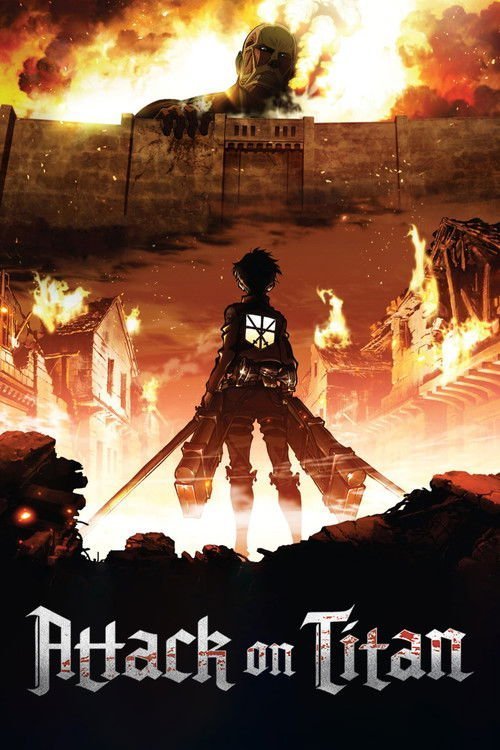 Attack on Titan
The best exploration of freedom, sovereignty, and the price of survival I have seen in any medium. The political arcs in the final seasons are more honest about power than most prestige drama.
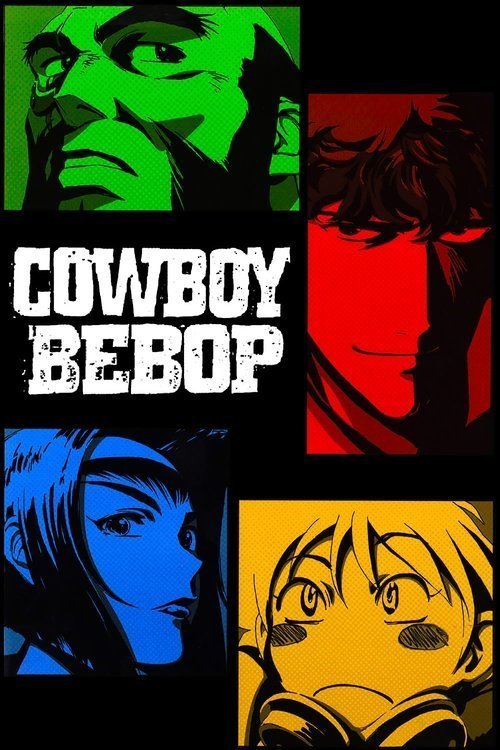 Cowboy Bebop
Style as substance. Every episode is a meditation on being unable to escape the past, wrapped in jazz and noir. The ending is perfect.
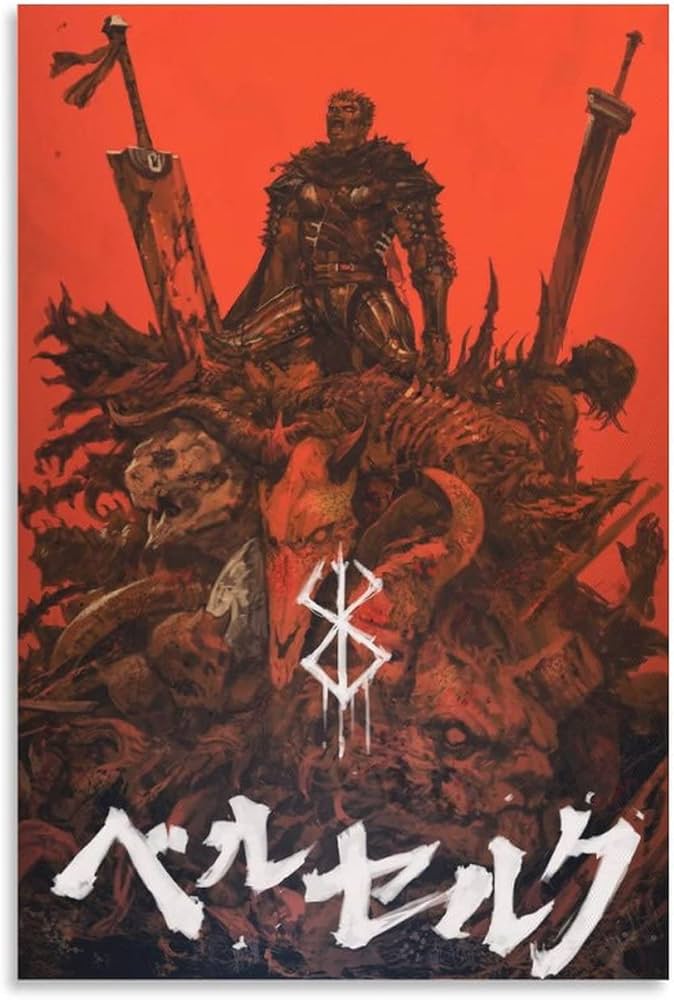 Berserk
Ambition, betrayal, and what it costs to impose your will on the world. The Golden Age arc is one of the great tragic narratives in fiction.
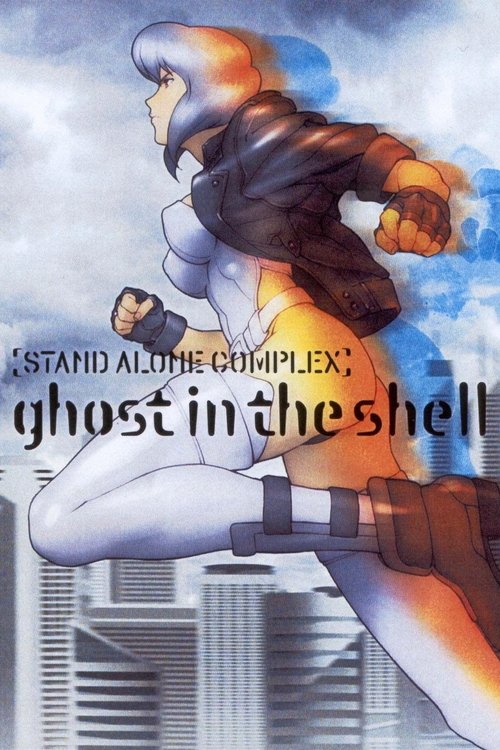 Ghost in the Shell: Stand Alone Complex
The film asked the philosophical questions. SAC builds the world where those questions have policy implications. The Laughing Man arc is one of the best treatments of information warfare in fiction.
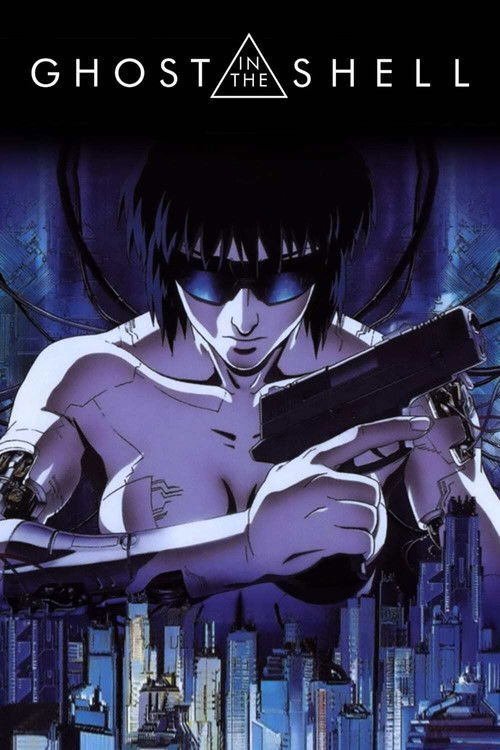 Ghost in the Shell
The original questions about consciousness and identity in a networked world. Still more philosophically serious than most AI discourse today.
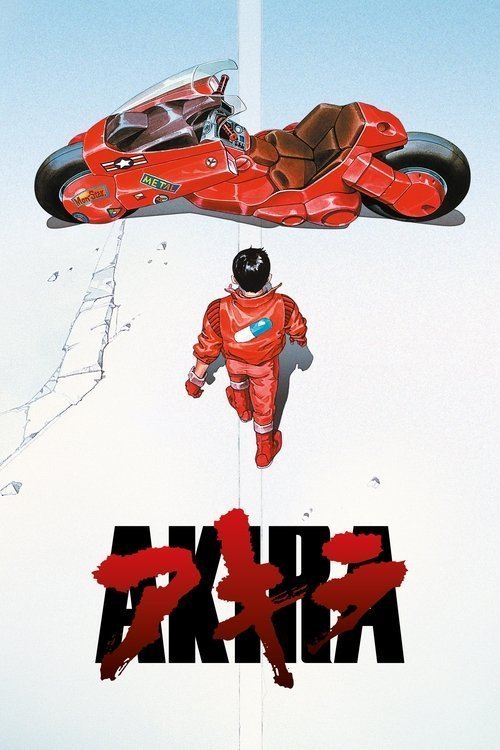 Akira
Akira
Power without institutions to contain it. Visually unmatched four decades later. The animation alone changed what the medium could be.
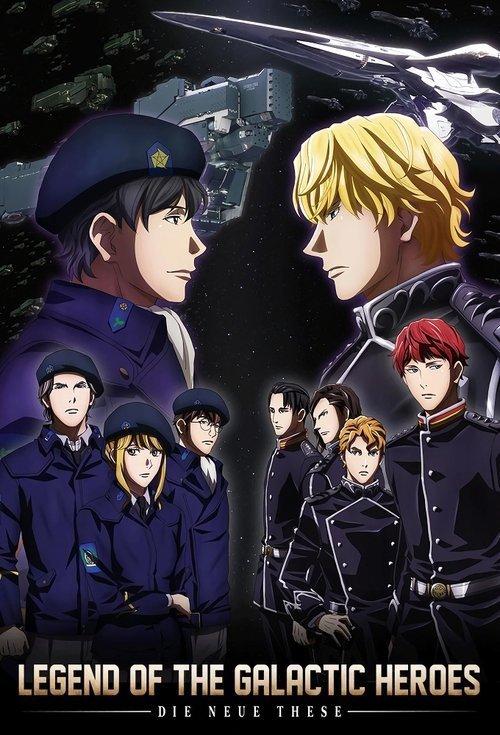 Legend of the Galactic Heroes: Die Neue These
Democracy versus autocracy argued honestly, with neither side caricatured. Closer to Thucydides than to space opera.
Animation
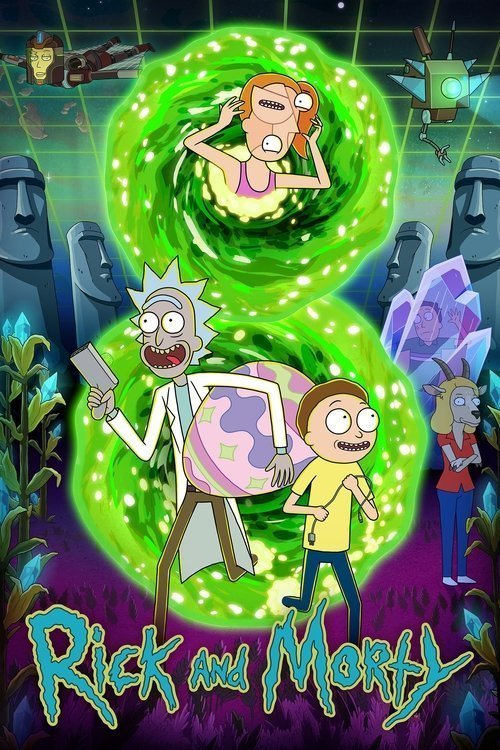 Rick and Morty
Nihilism played for laughs until it stops being funny. The best episodes land because they take the consequences of infinite possibility seriously.
 Arcane
Class conflict, institutional failure, and what happens when the people with nothing to lose get access to power. The animation sets a new standard.
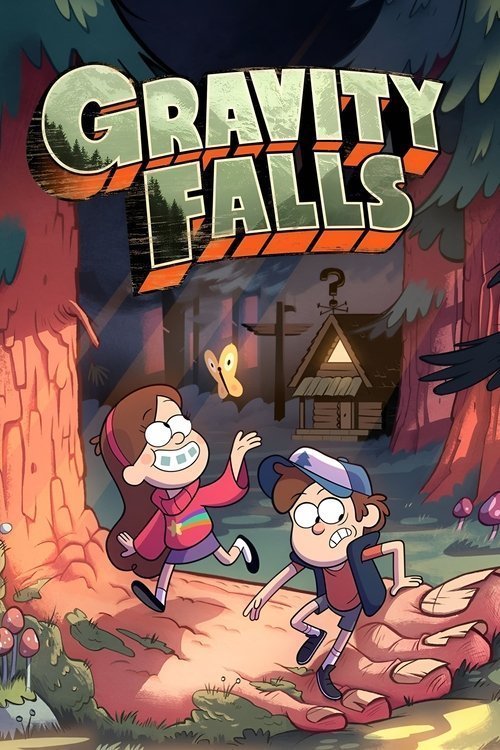 Gravity Falls
Deceptively smart. Mystery, conspiracy, and genuine emotional weight hidden inside a children's show. Knew exactly when to end.
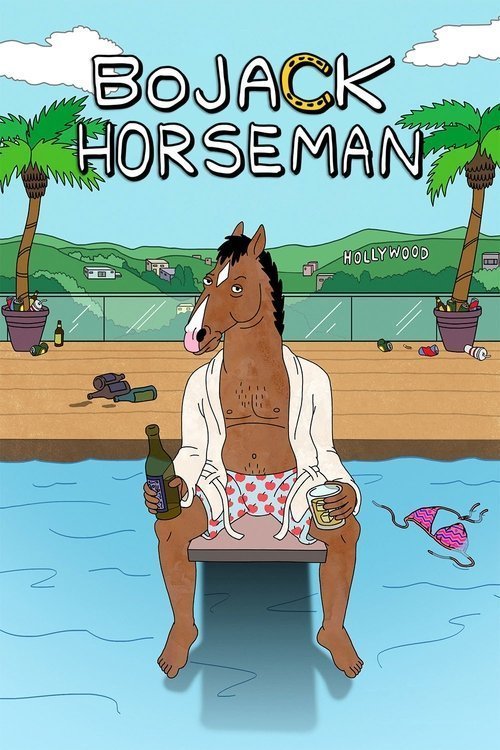 BoJack Horseman
The most honest show about self-destruction I have seen. It refuses to let its protagonist off the hook, which is rare and necessary.
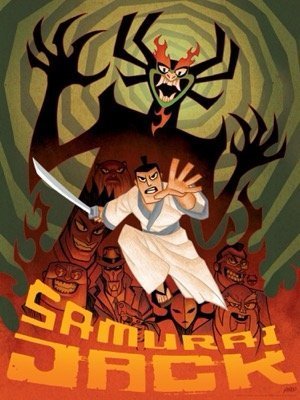 Samurai Jack
Pure visual storytelling. Entire episodes with almost no dialogue that work better than most scripts. Patience as aesthetic principle.
 Love, Death & Robots
Short-form science fiction that takes animation seriously as a medium. Beyond the Aquila Rift and Zima Blue do more in fifteen minutes than most feature films.
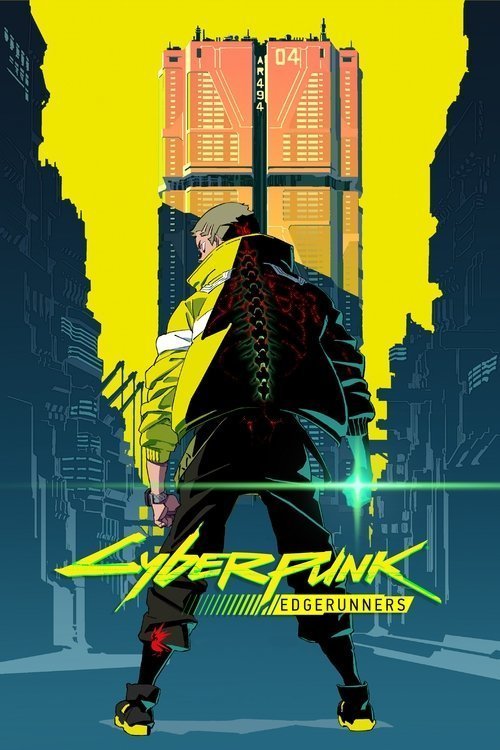 Cyberpunk: Edgerunners
What happens when a system is designed to grind people down and someone decides not to comply. Studio Trigger at their most kinetic.
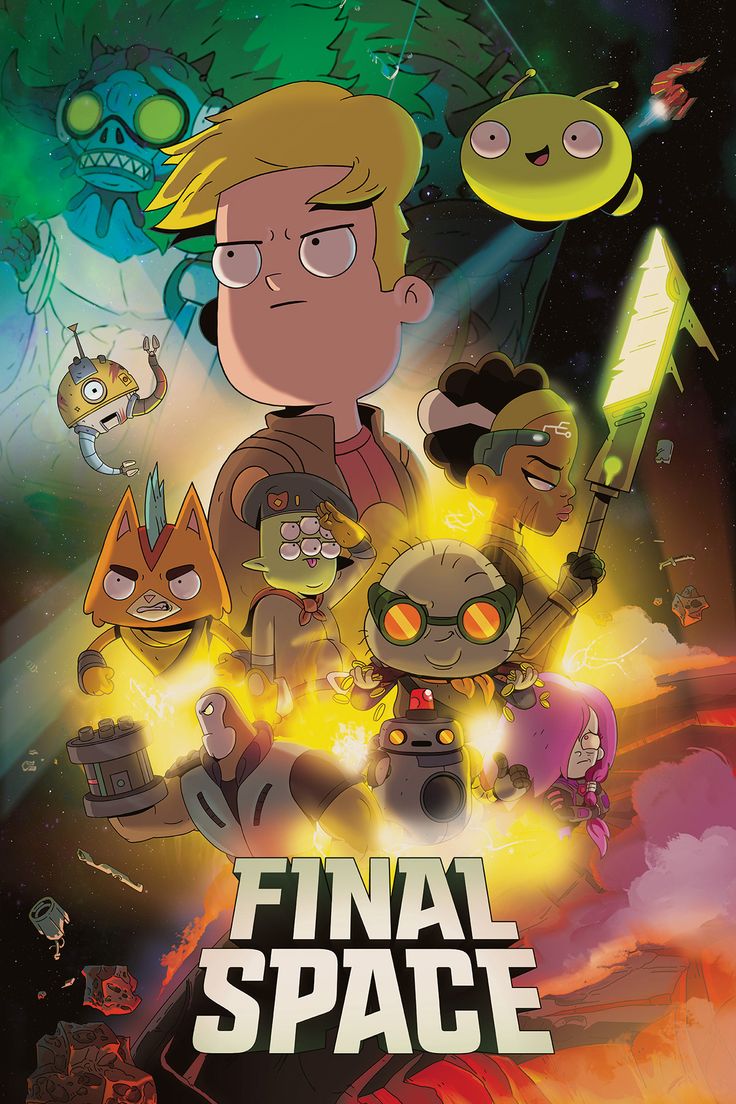 Final Space
Starts as absurd comedy and quietly becomes one of the most emotionally committed animated shows. The tonal shift works because it was always there.
 Daria
Daria
Deadpan intelligence against a world that rewards conformity. Still relevant decades later, which says something about the world.
Movies: Crime & Drama
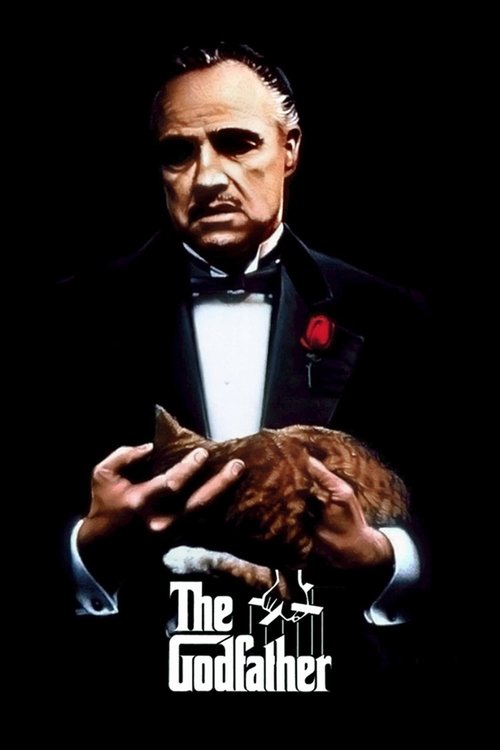 The Godfather
Power, family, and the corruption that comes from believing you can keep them separate. The transition from Michael's idealism to his cold pragmatism is the most important arc in American cinema.
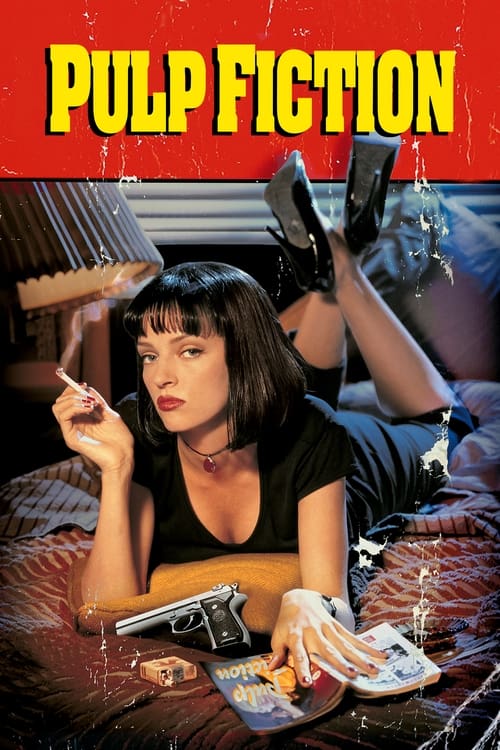 Pulp Fiction
Proved that structure itself could be a creative act. The nonlinear storytelling changed what audiences were willing to follow.
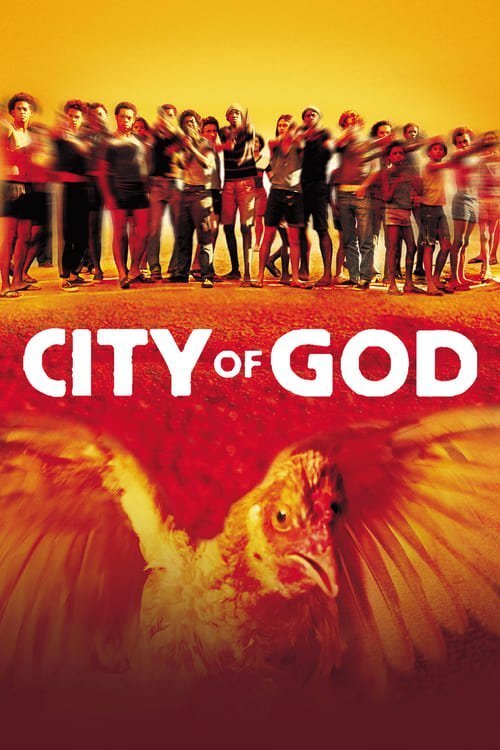 City of God
Growing up in a Latin American city where institutions have failed, told without sentimentality. The most honest film about what happens when the state abandons a place.
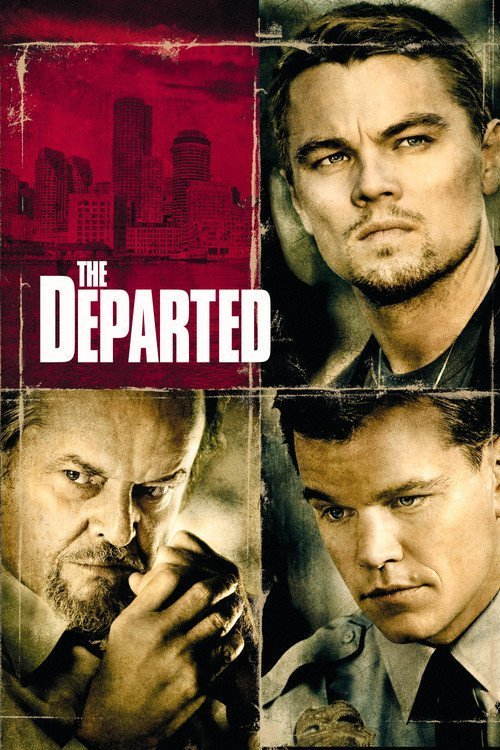 The Departed
Identity as performance. Everyone is pretending to be someone else, and the system rewards the best liars.
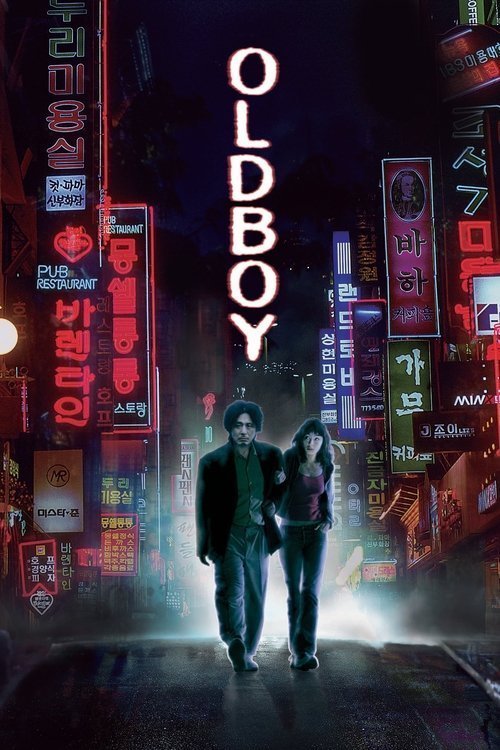 Oldboy
Revenge as self-destruction. The corridor fight scene is famous, but the real brutality is in the ending.
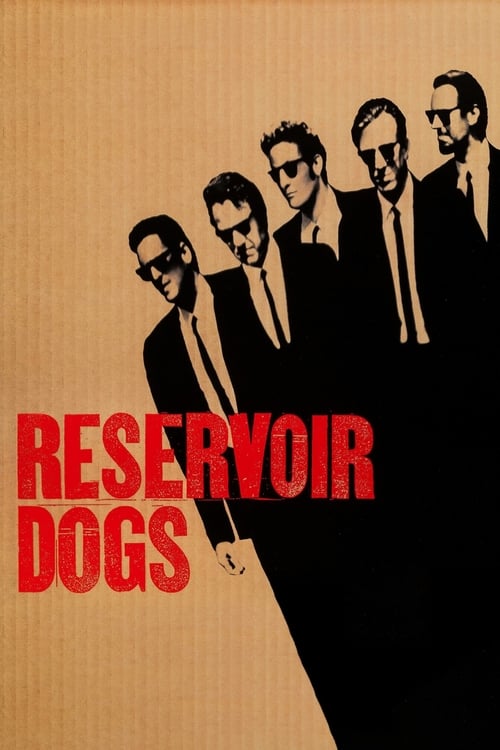 Reservoir Dogs
Trust and betrayal in a closed system. Tarantino's tightest script. Everything that matters happens off-screen or in dialogue.
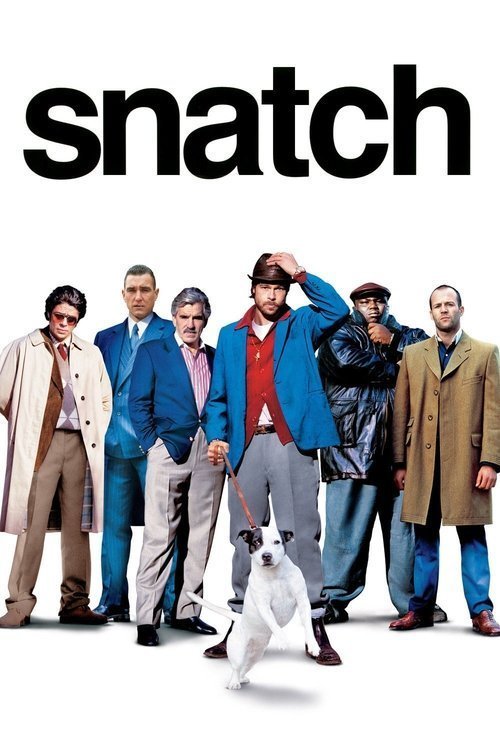 Snatch
Every plan fails, every failure creates an opportunity, and somehow it all resolves. Funnier and more rewatchable than it has any right to be.
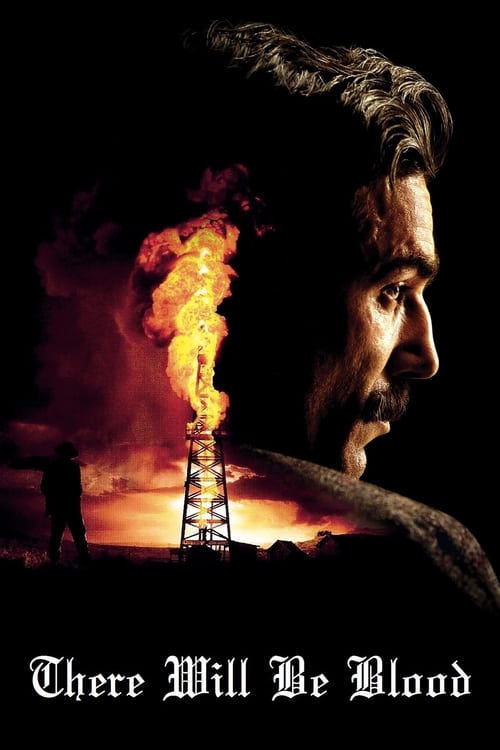 There Will Be Blood
Ambition that consumes everything around it, including itself. Daniel Day-Lewis gave the definitive performance of a man who wins by becoming what he despises.
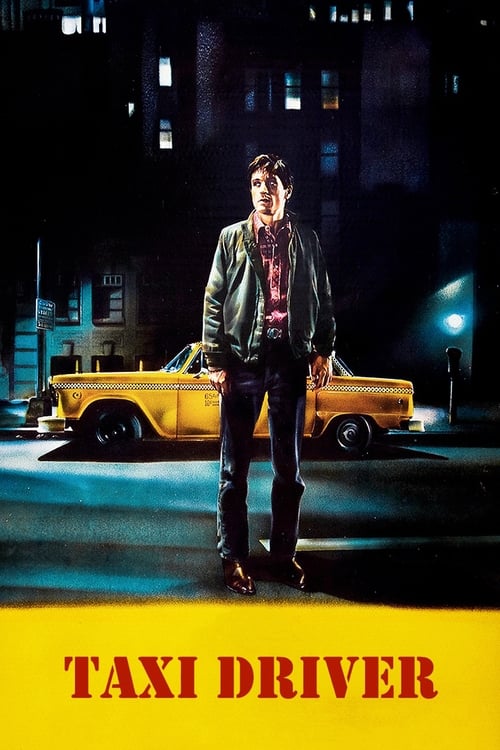 Taxi Driver
Alienation in a city full of people. Travis Bickle's loneliness is not romantic. It is dangerous, and the film never pretends otherwise.
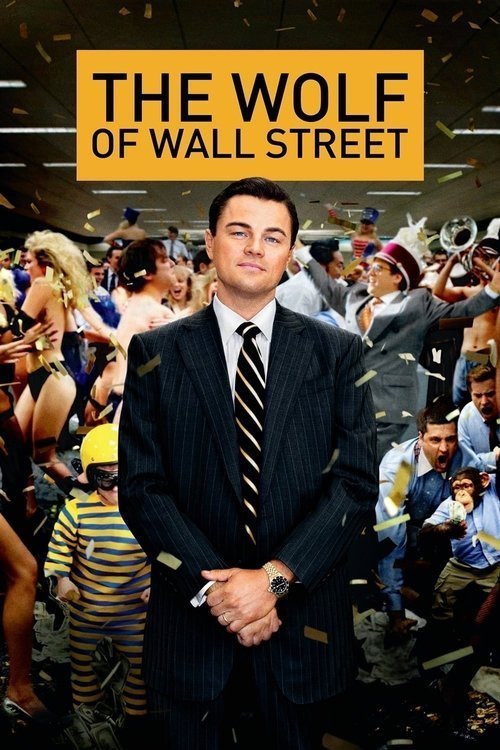 The Wolf of Wall Street
The system does not punish Belfort. It absorbs him. The audience's enjoyment is the point Scorsese is making.
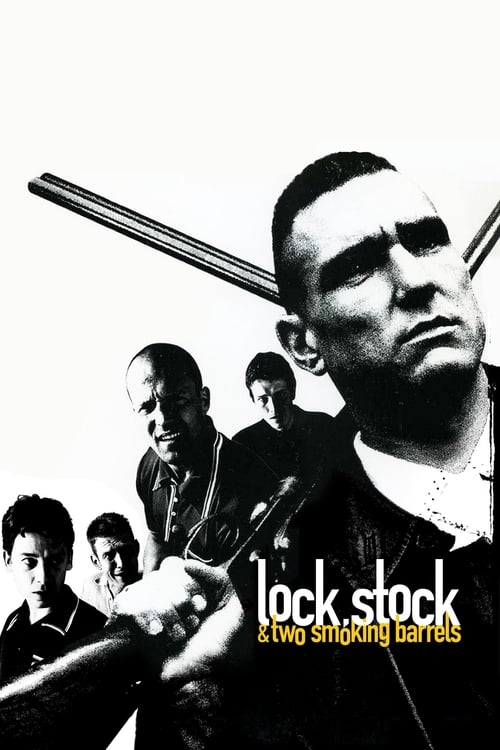 Lock, Stock and Two Smoking Barrels
Guy Ritchie's debut, tighter and funnier than everything that followed. Cascading consequences played as comedy.
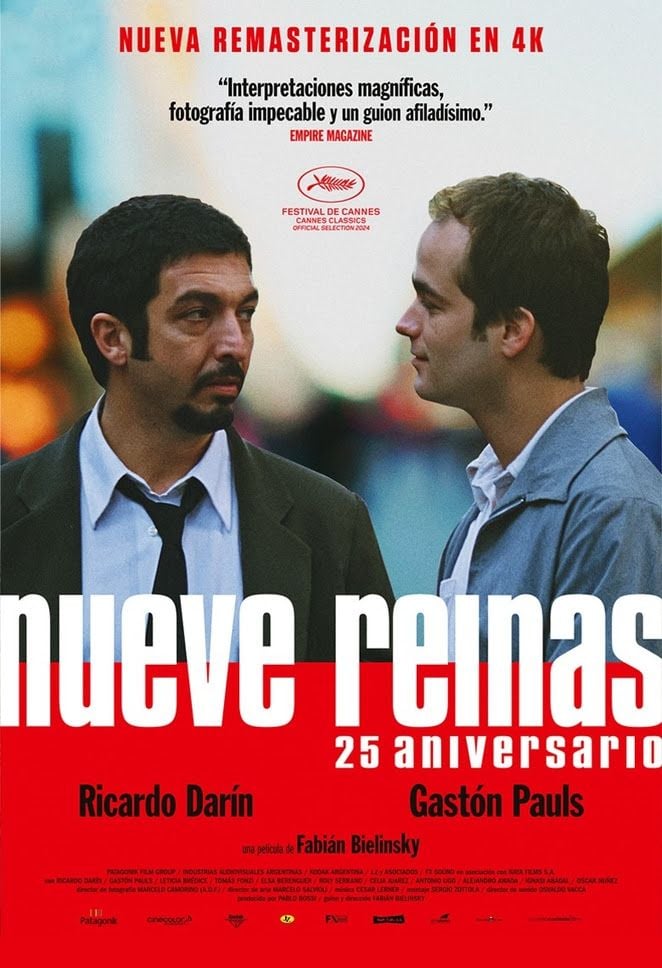 Nueve Reinas
Argentine con-artist cinema at its best. Trust is the currency, and the film itself cons the audience. If you grew up in Buenos Aires, you recognize every character.
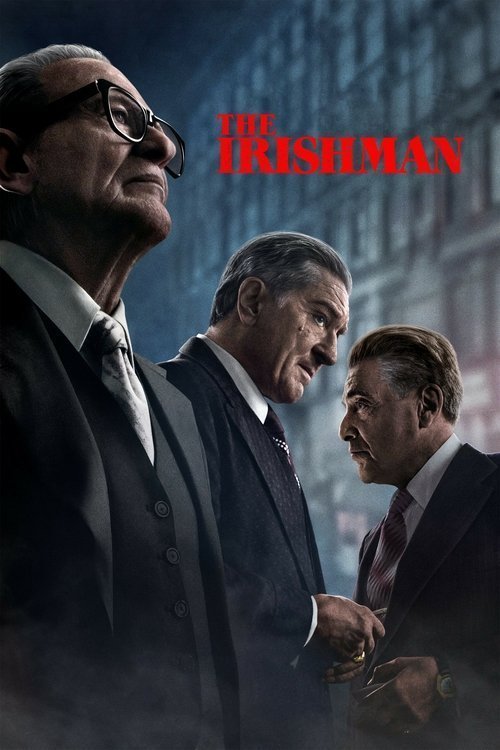 The Irishman
The Godfather told from the perspective of old age. All that power and violence, and in the end you are alone in a nursing home with the door open.
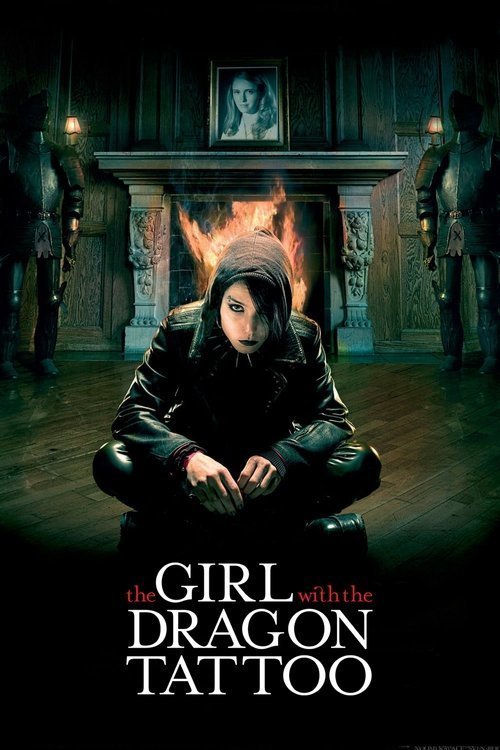 The Girl with the Dragon Tattoo
Fincher's coldest film. Lisbeth Salander is one of the great characters in contemporary fiction. Competence as survival mechanism.
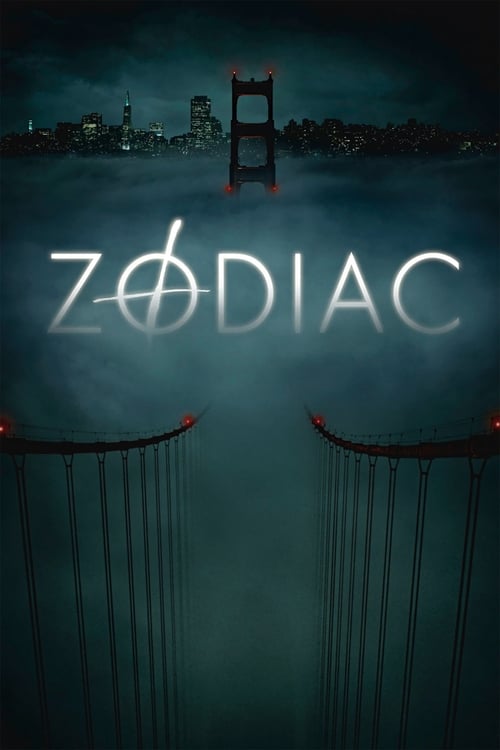 Zodiac
Obsession without resolution. The real subject is not the killer but what the search does to the people who cannot stop looking.
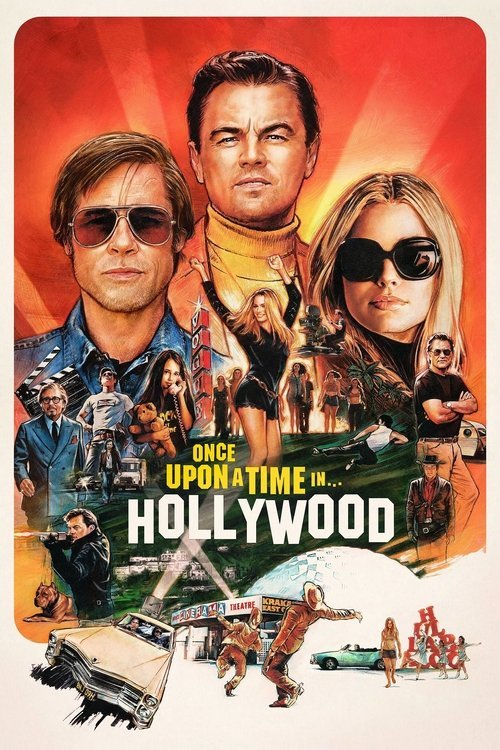 Once Upon a Time in Hollywood
Tarantino's most melancholic film. A love letter to a world that is ending, told by people who do not yet know it.
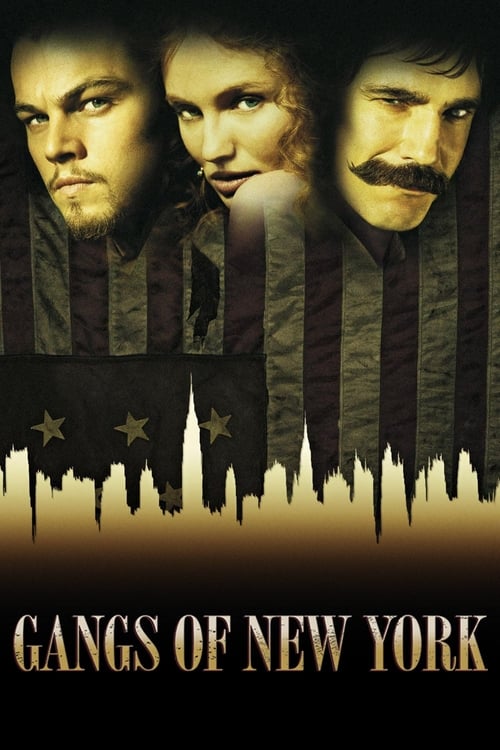 Gangs of New York
How institutions are built on violence and then erase the memory of that violence. Daniel Day-Lewis carries a messy film through sheer force.
Movies: Sci-Fi & Thriller
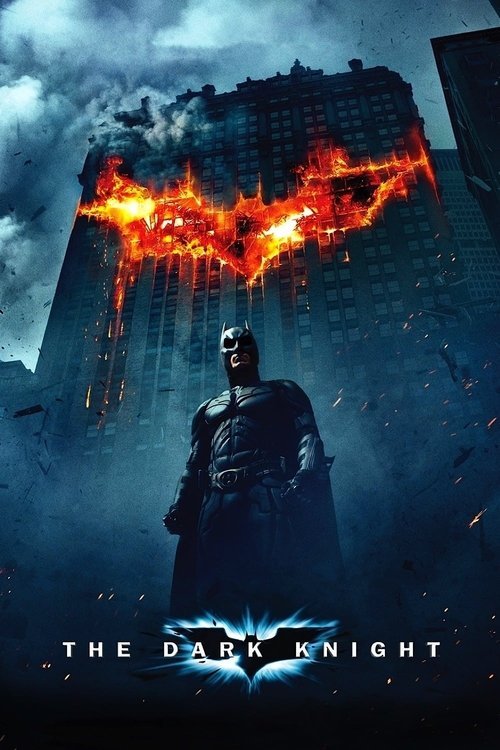 The Dark Knight
The Joker's argument that civilization is a thin veneer over chaos is never actually refuted. The film's real tension is that he might be right.
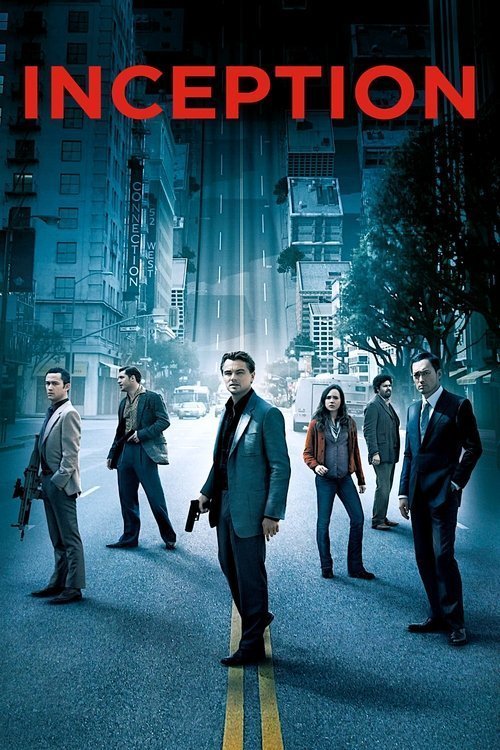 Inception
Ideas as infrastructure. Nolan built a world where the architecture of thought is literally constructed and the rules must be internally consistent. The heist is secondary to the world-building.
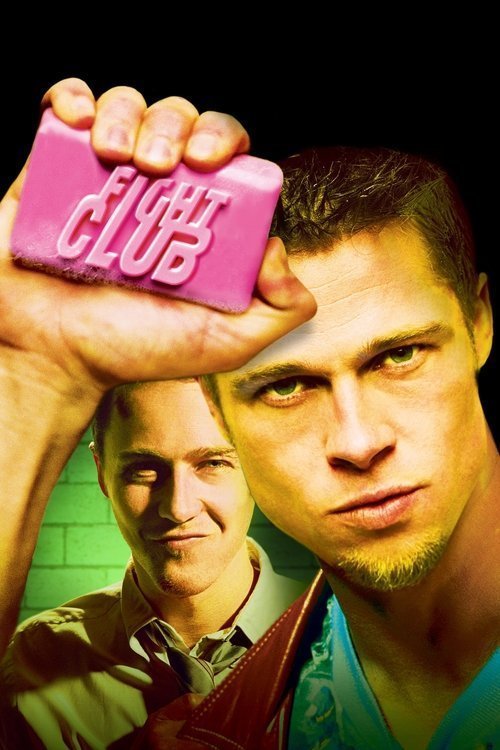 Fight Club
Consumer nihilism and the desire for authenticity through destruction. The twist is less interesting than the critique it enables.
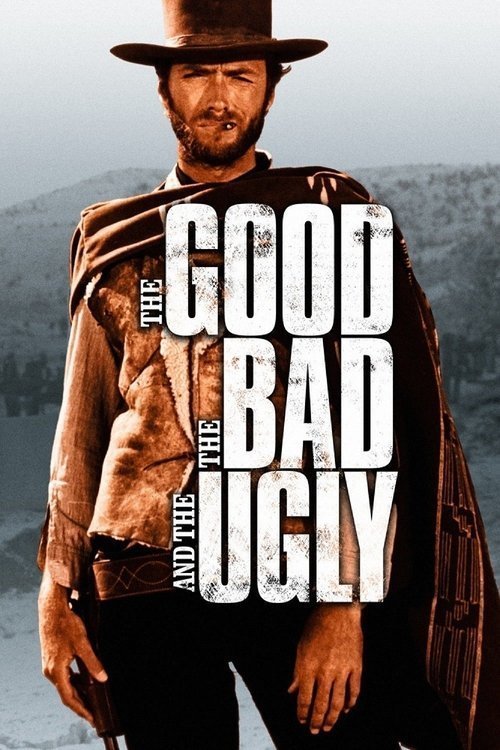 The Good, the Bad and the Ugly
Three strategies for surviving in a world without law. Leone understood that morality is a luxury of stable systems.
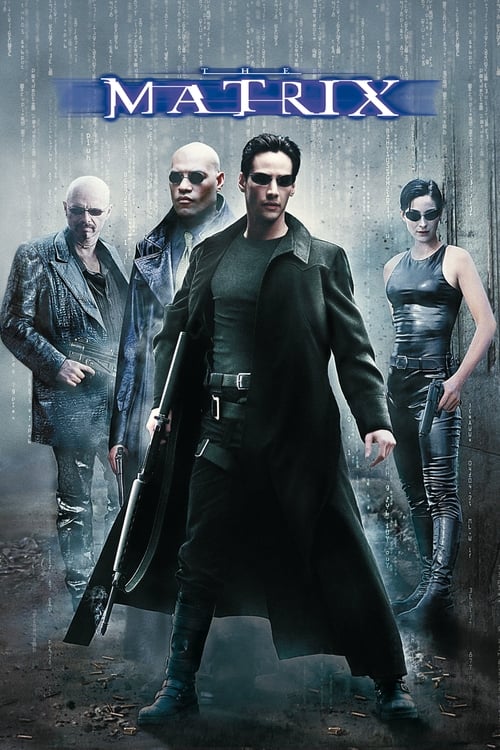 The Matrix
The red pill as epistemological rupture. Still the best popular treatment of simulation, reality, and the cost of knowing the difference.
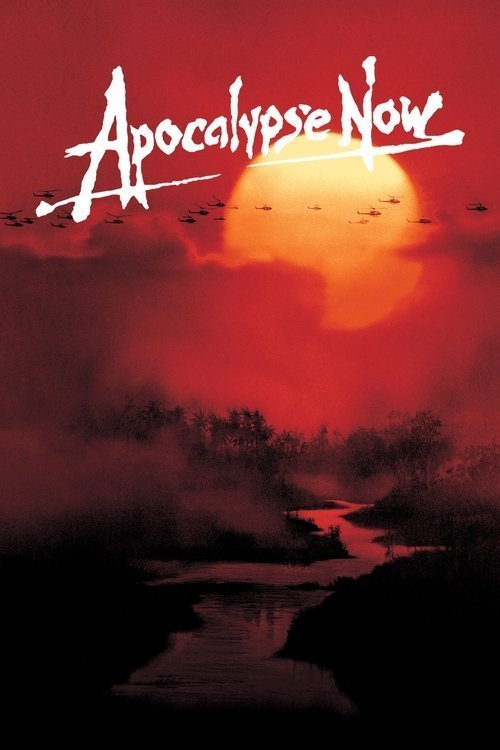 Apocalypse Now
The journey upriver is a journey toward the logic that institutions try to suppress. Kurtz understood something that the army could not afford to acknowledge.
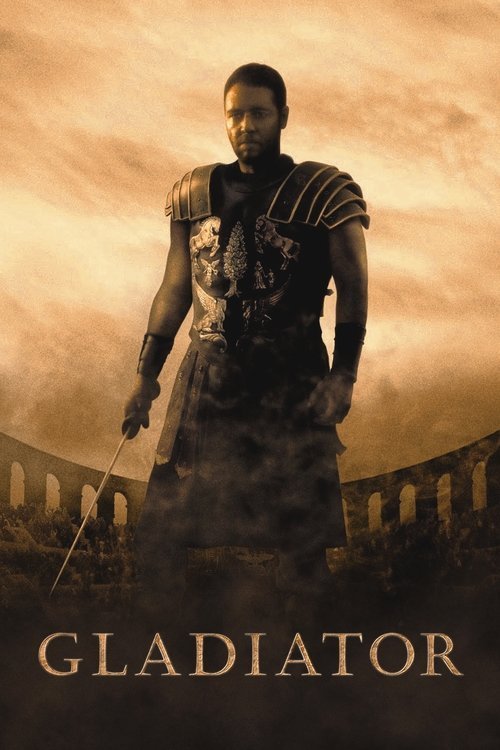 Gladiator
Duty surviving the collapse of the institution that gave it meaning. The stoic framework is not subtextual. It is the whole point.
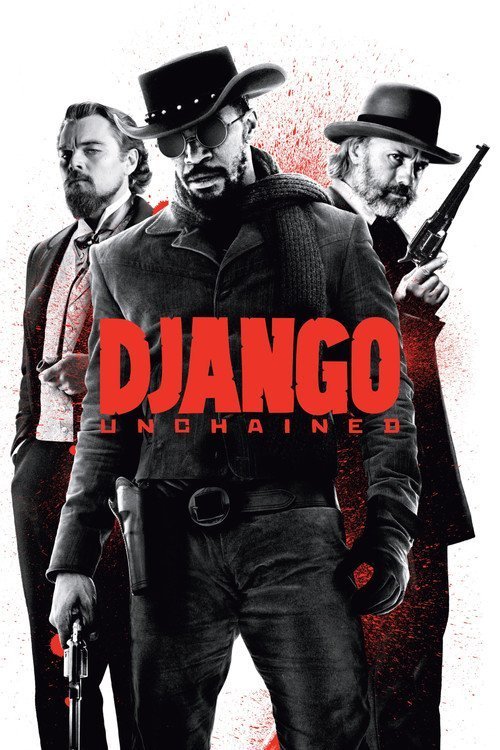 Django Unchained
Tarantino using genre to confront history directly. Christoph Waltz makes the best case for competence as moral action.
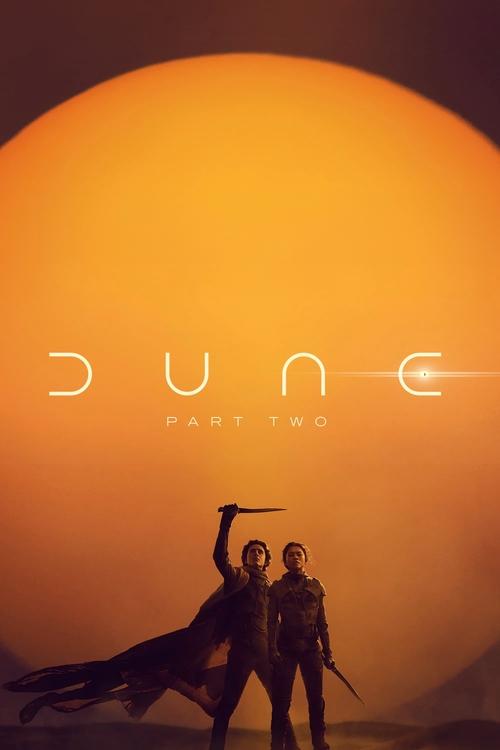 Dune: Part Two
The rare blockbuster that takes its source material's pessimism seriously. Paul's arc is a warning about charismatic leadership, not a celebration of it.
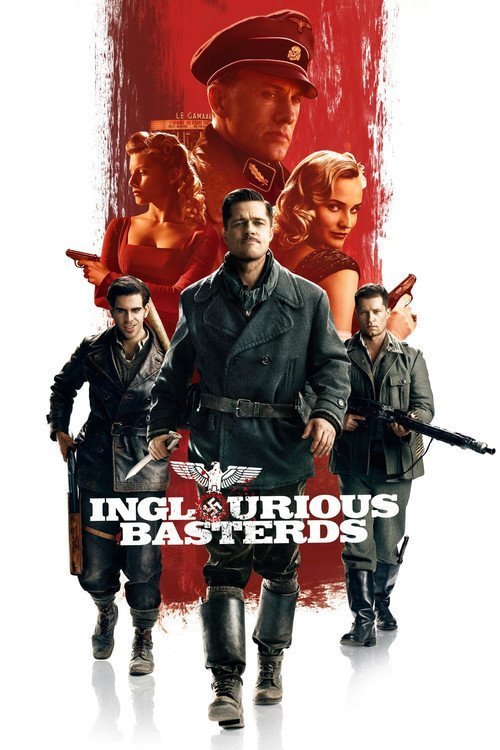 Inglourious Basterds
Language as weapon. The opening scene is one of the greatest exercises in sustained tension ever filmed. Hans Landa is terrifying because he is brilliant.
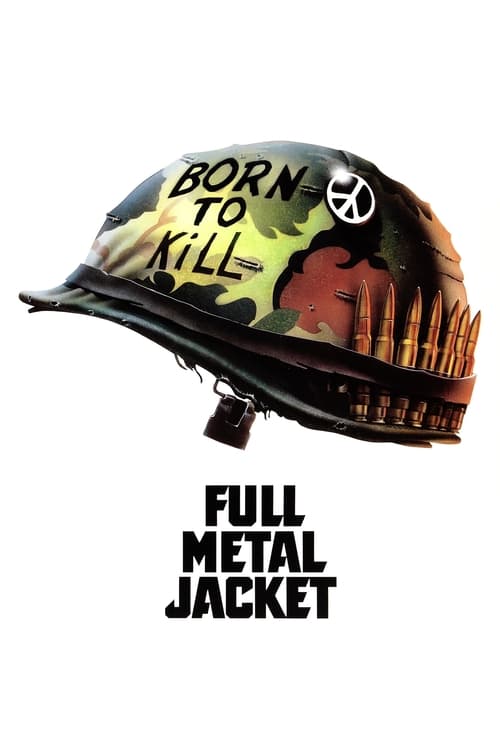 Full Metal Jacket
Two films in one: the making of a soldier and the unmaking of everything that process promised. Kubrick's coldest dissection of institutional violence.
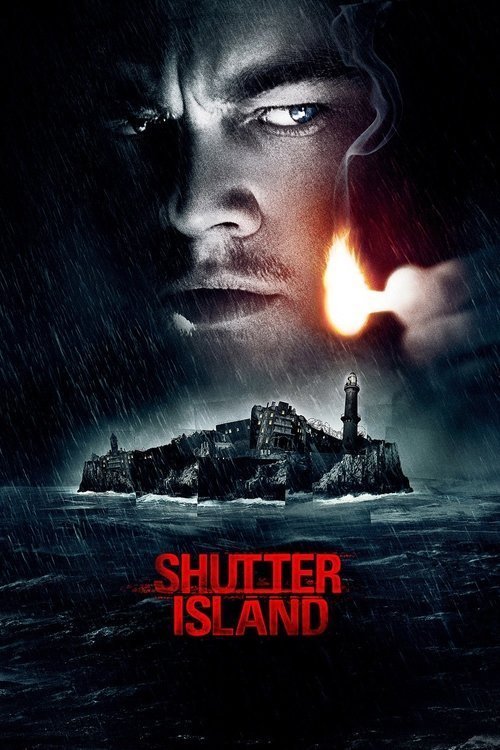 Shutter Island
The question is not what is real, but whether knowing the truth is survivable. Scorsese's most underrated film.
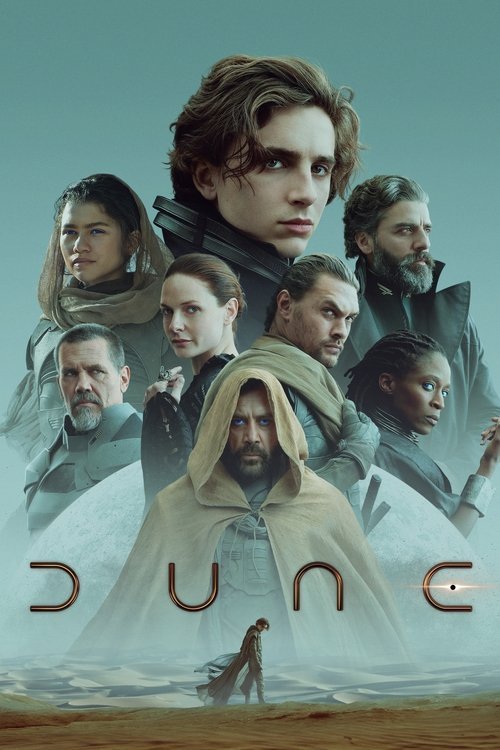 Dune: Part One
Villeneuve proved that science fiction does not have to be fast to be immersive. The pacing is the point. It demands patience.
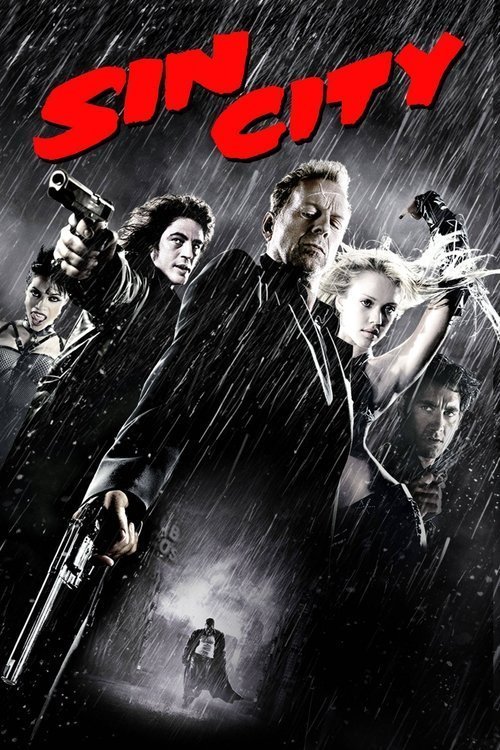 Sin City
Noir as pure form. The visual language is so committed that the story almost becomes secondary to the aesthetic.
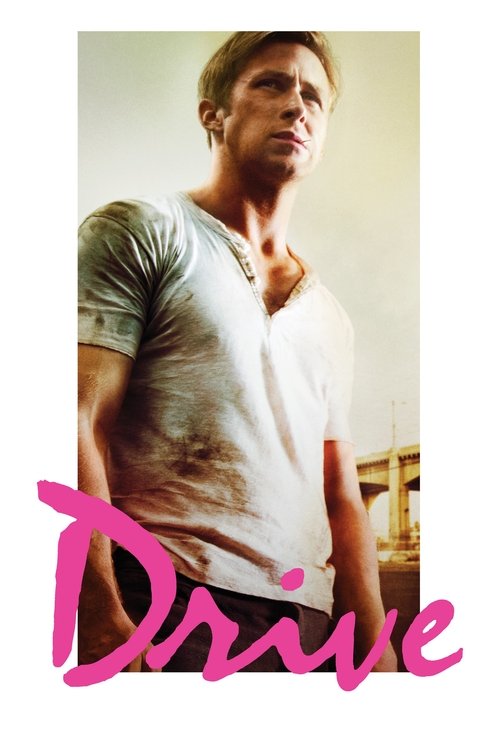 Drive
Drive
Minimalism as characterization. The driver says almost nothing, and every silence means more than dialogue would. Refn understood that restraint is its own kind of violence.
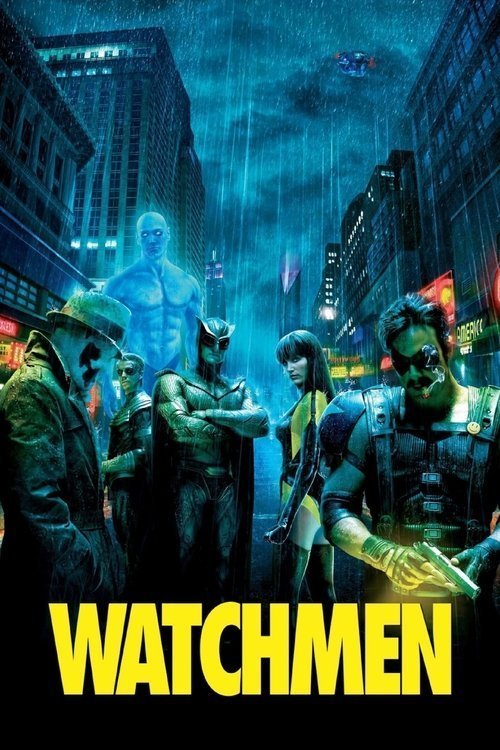 Watchmen
The deconstruction of heroism that most superhero films pretend does not exist. Rorschach's moral absolutism against Ozymandias's utilitarian calculus is a genuine philosophical conflict.
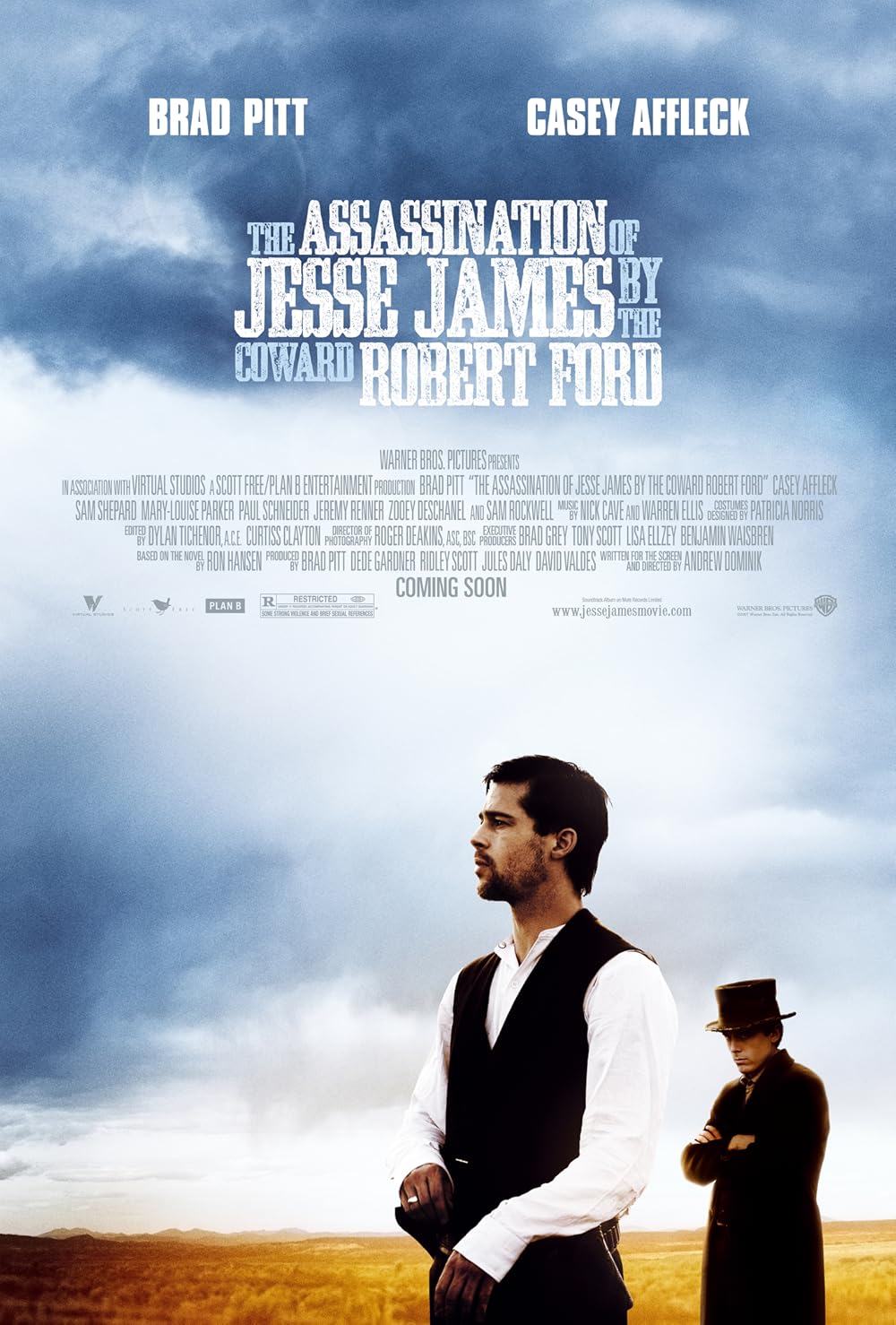 The Assassination of Jesse James
Mythology and the people who get destroyed by proximity to it. The most beautiful cinematography in any Western. Patience required and rewarded.
Movies: Comedy & Indie
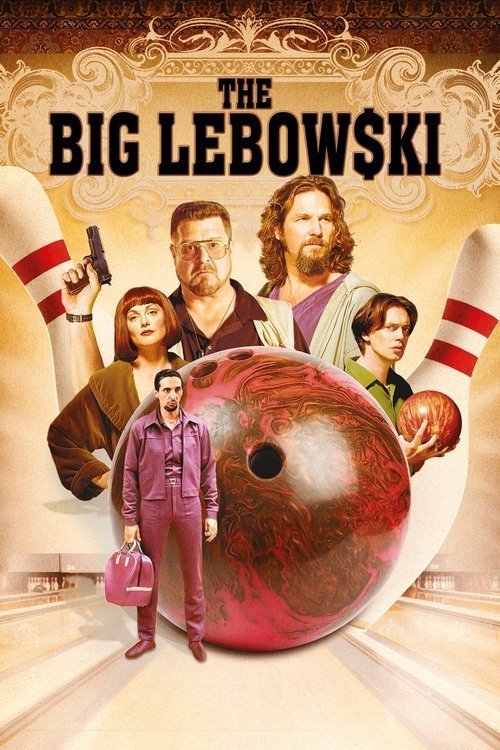 The Big Lebowski
The Dude's refusal to participate in anyone else's urgency is either profound laziness or a radical philosophical stance. The Coen brothers never tell you which.
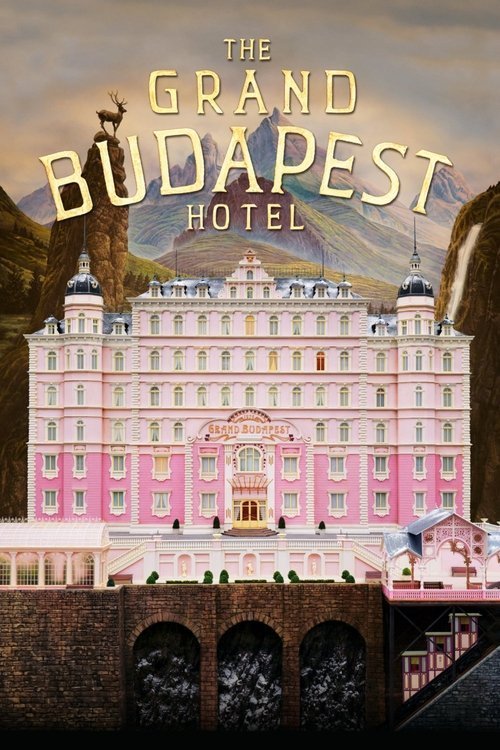 The Grand Budapest Hotel
Civilization as aesthetic practice. Gustave H. maintains his standards precisely because the world around him is collapsing. Anderson's most emotionally serious film.
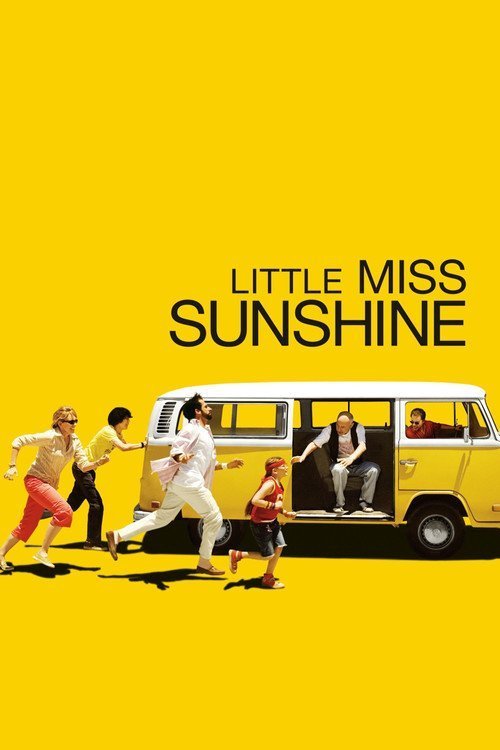 Little Miss Sunshine
A family of failures who discover that losing together is better than winning alone. The ending is one of the great acts of collective defiance in comedy.
 Midnight in Paris
Nostalgia as trap. Every era idealizes the one before it. Gil's realization that he is doing exactly what he criticizes is the only honest way to end the film.
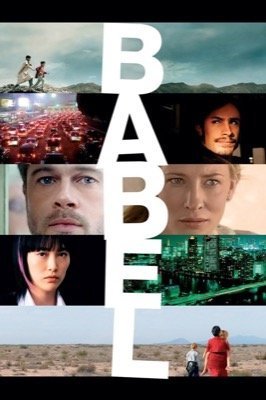 Babel
Babel
Interconnected failures across borders. The point is not that we are all connected but that connection does not imply understanding.
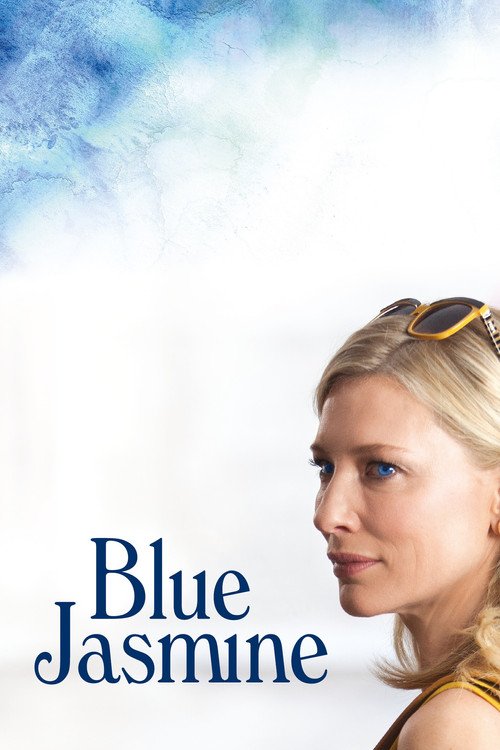 Blue Jasmine
What happens when the story you tell yourself about your life stops being sustainable. Blanchett's performance is a controlled demolition.
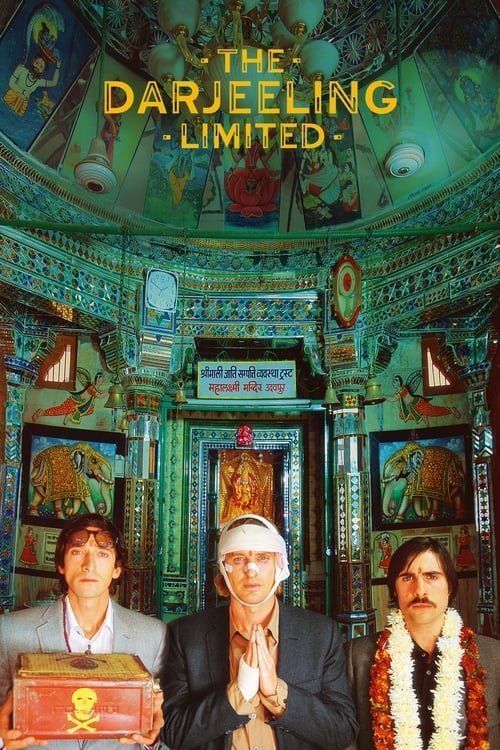 The Darjeeling Limited
Three brothers trying to reconnect through a spiritual journey that never becomes spiritual. The baggage metaphor is literal, which is the joke.
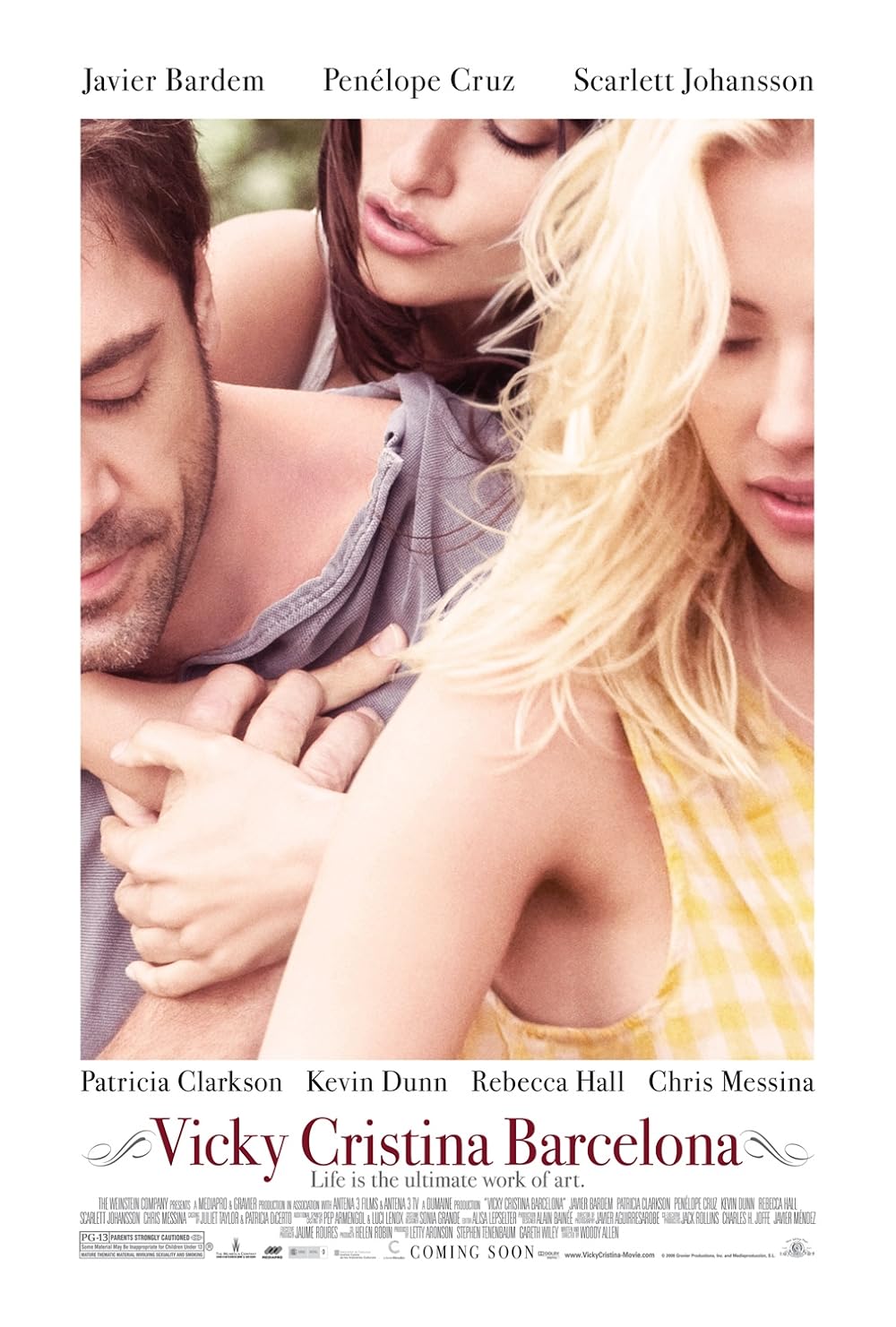 Vicky Cristina Barcelona
Two approaches to life, safety versus passion, tested against a third person who refuses to choose. Bardem and Cruz make chaos look inevitable.
Series
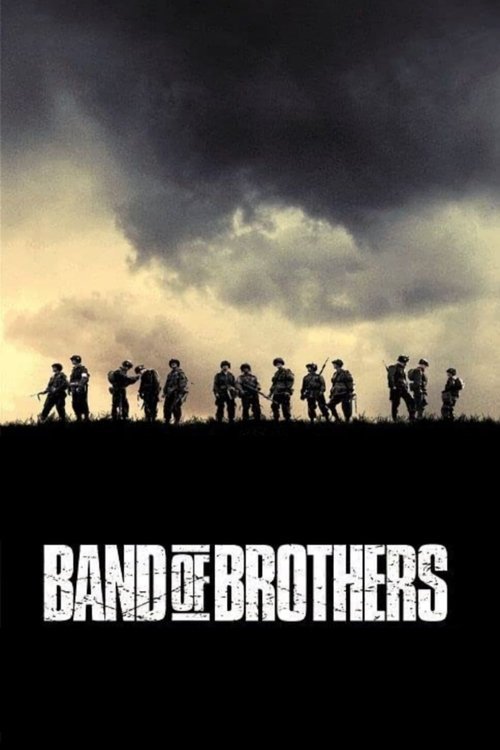 Band of Brothers
The definitive treatment of what holds a unit together under conditions designed to destroy it. Leadership, loyalty, and the cost of both.
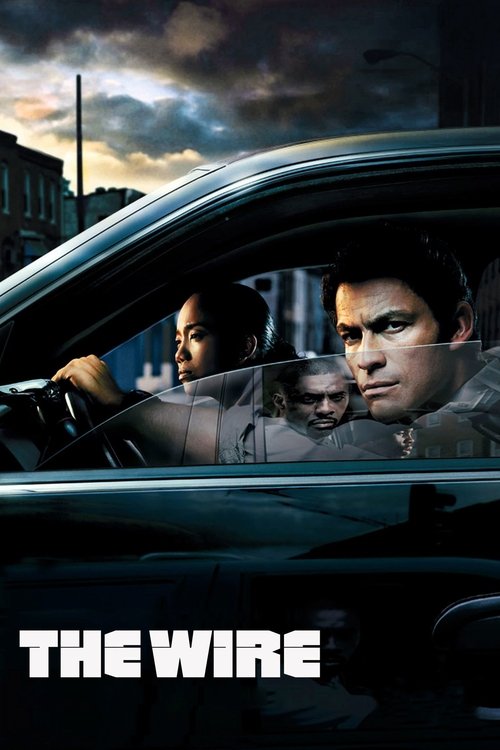 The Wire
The only television show that treats institutions as its real characters. Every season adds a system (police, docks, politics, schools, media) and shows how each one fails the people inside it.
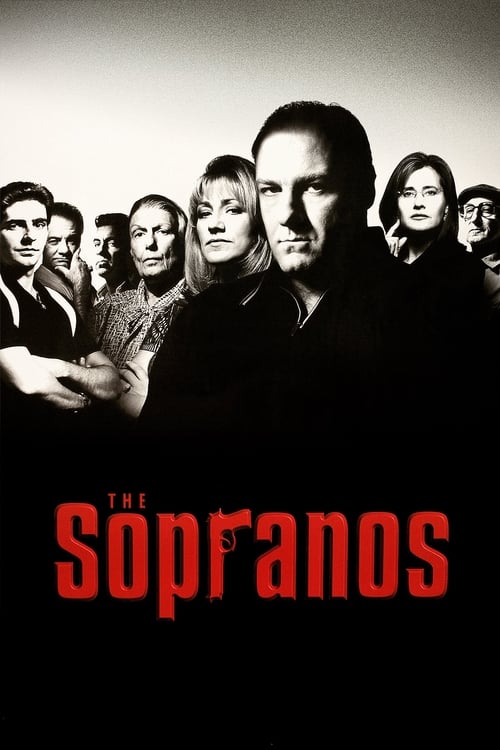 The Sopranos
Therapy as narrative device. Tony Soprano cannot change because the system that made him rewards exactly what therapy asks him to confront. The show invented modern television.
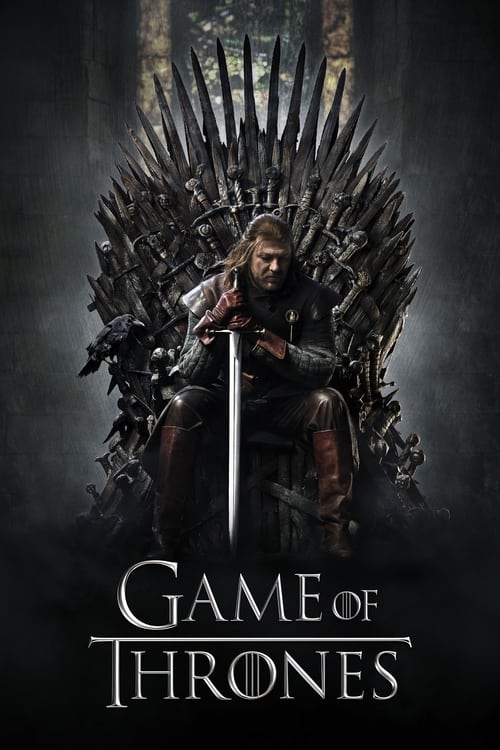 Game of Thrones
The first four seasons are the best treatment of political realism in popular fiction. Power is not claimed by the worthy. It is seized by whoever understands the game.
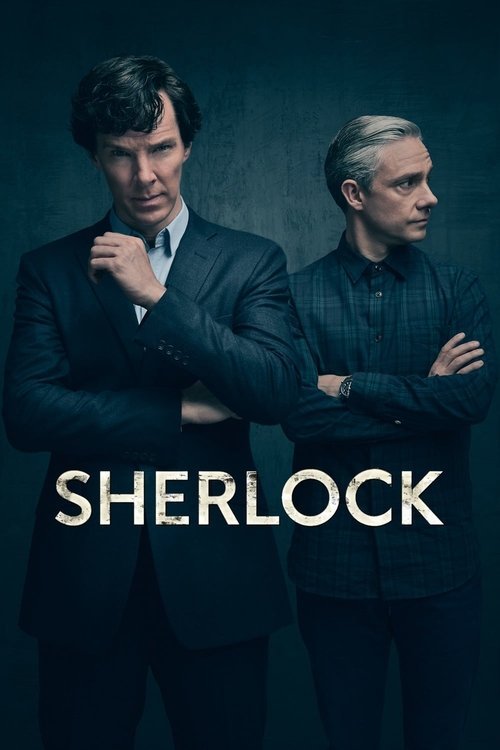 Sherlock
Intelligence as performance. Cumberbatch and Freeman's chemistry carries it, but the best episodes work because the puzzles are genuinely clever.
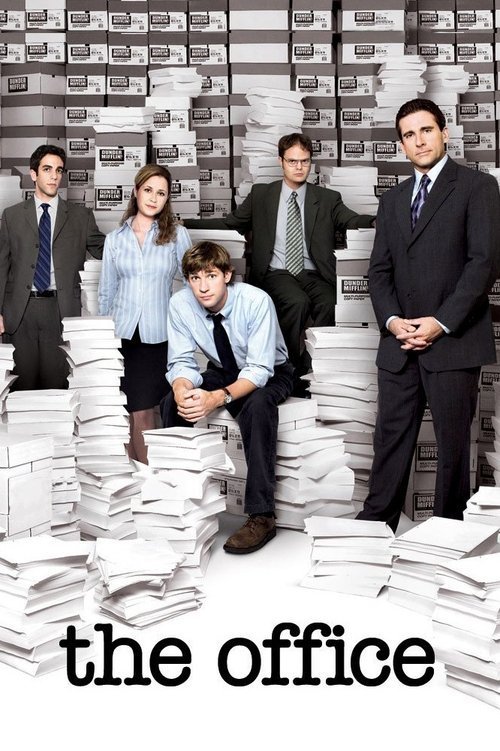 The Office
The most accurate depiction of institutional life ever made, disguised as comedy. Michael Scott's need to be loved is funnier and sadder than anything scripted as drama.
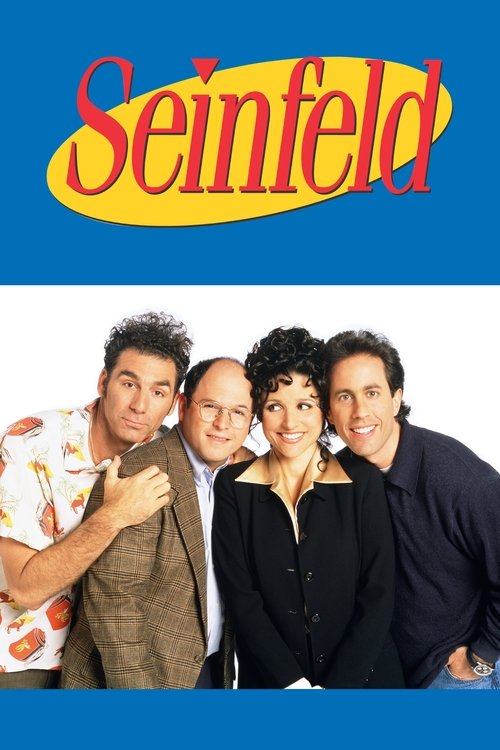 Seinfeld
A show about nothing that invented the language of observational comedy for a generation. The characters are terrible people, and the show never asks you to forgive them.
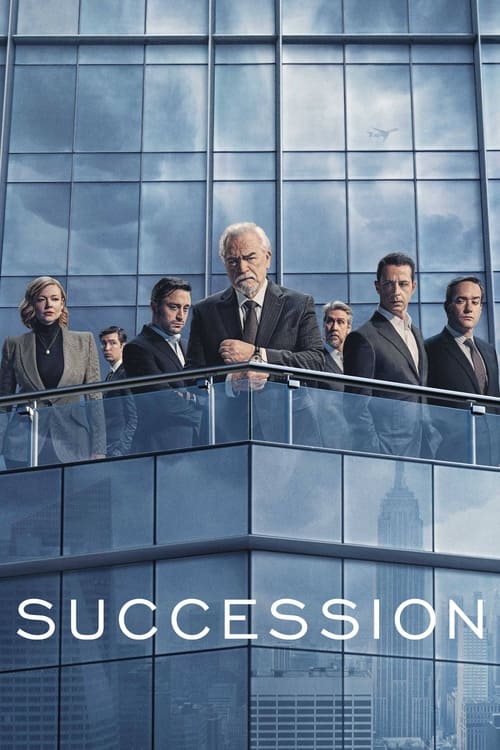 Succession
Power, inheritance, and the impossibility of earning approval from someone who sees love as weakness. The best dialogue on television since Deadwood.
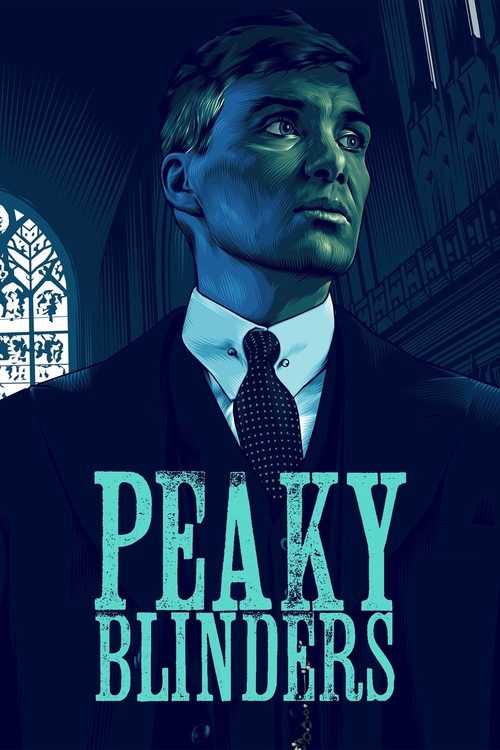 Peaky Blinders
Ambition as engine and trap. Tommy Shelby keeps building and can never stop, which is the most honest portrait of a certain kind of entrepreneur.
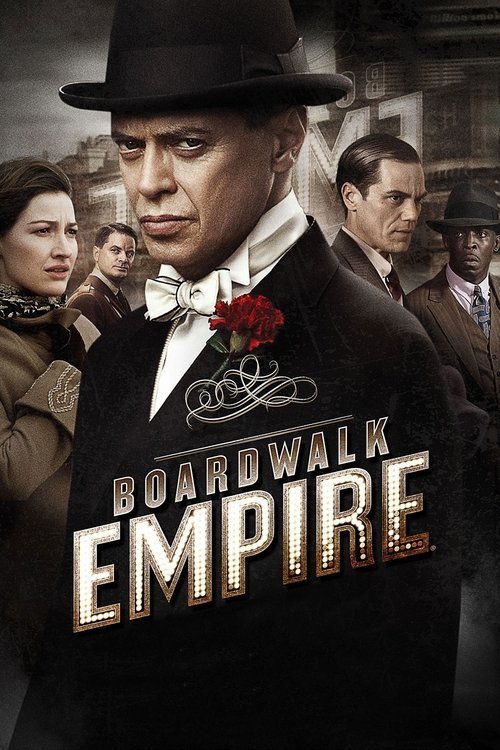 Boardwalk Empire
Prohibition-era America as a case study in how banning something creates the institutions that profit from its absence. Scorsese's visual language applied to television.
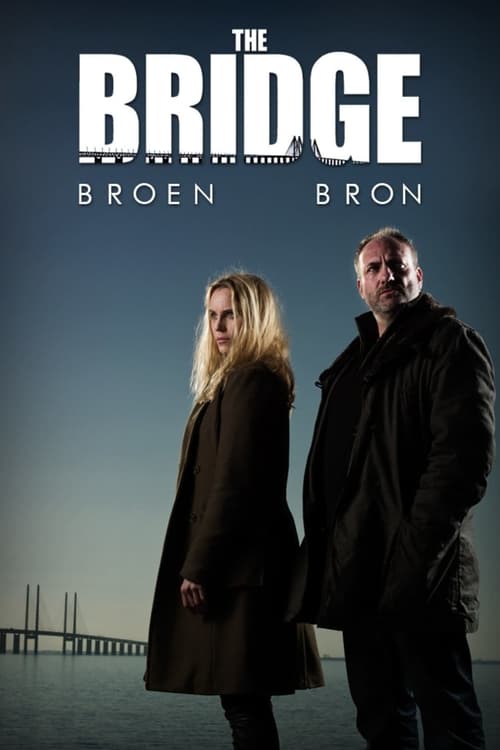 Bron/Broen (The Bridge)
Scandinavian noir at its best. Saga Norén's inability to perform social norms makes her a better detective, not worse. The original that launched a genre.
 Homeland
Paranoia as professional requirement. The first two seasons are extraordinary. Carrie's instability is inseparable from her insight, and the show takes that seriously.
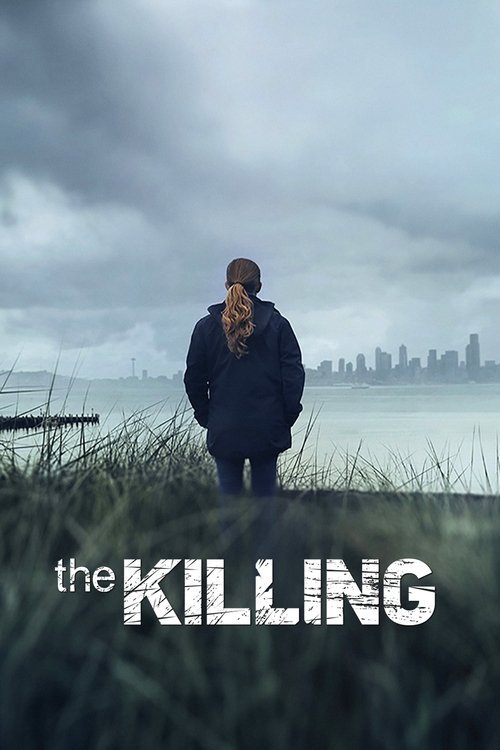 The Killing
Slow, atmospheric, and willing to let the investigation feel as frustrating as real investigations do. One of the few crime shows that respects the audience's patience.
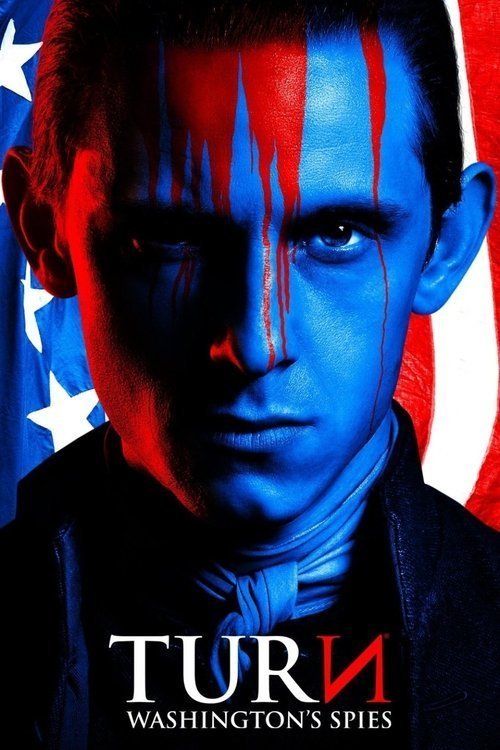 Turn: Washington's Spies
Espionage as the foundation of a nation. The show makes a convincing case that intelligence work, not battlefield heroics, won the American Revolution.
Games
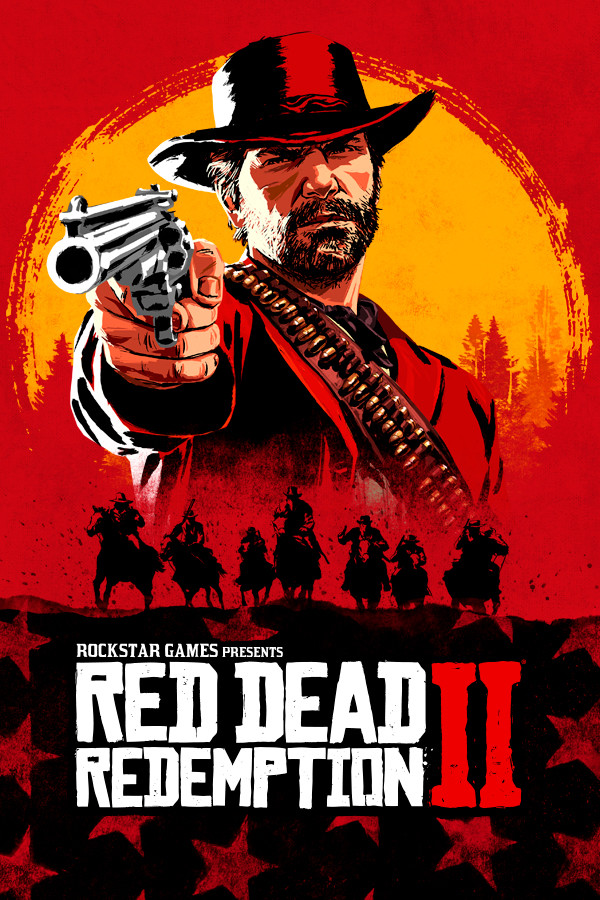 Red Dead Redemption 2
The most fully realized open world ever built. A meditation on loyalty, decline, and the end of the frontier. Arthur Morgan's arc is one of the great tragic narratives in games.
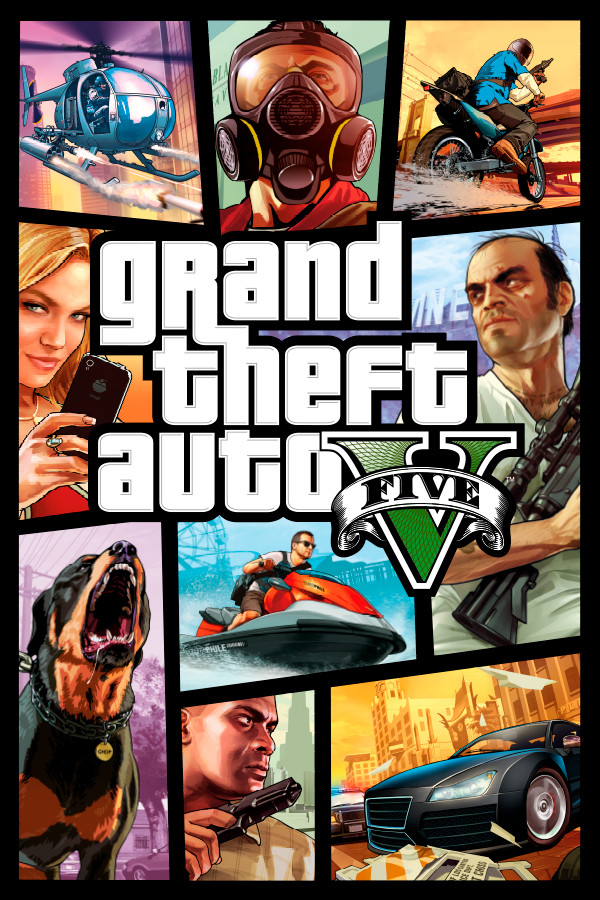 Grand Theft Auto V
American capitalism as open world satire. Three protagonists, three relationships with money and violence, none of them redeemable. Rockstar built a system so detailed that the parody became indistinguishable from the thing it mocks.
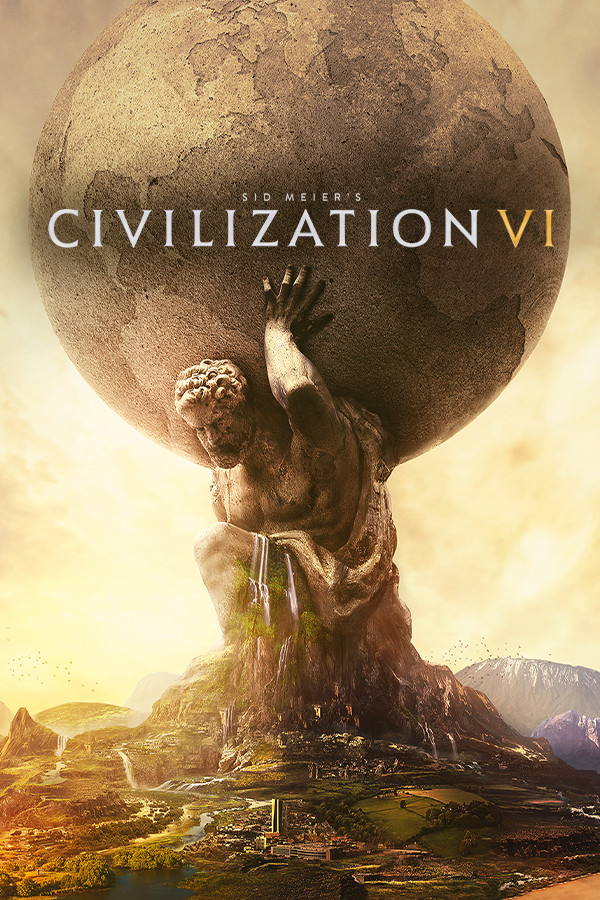 Civilization VI
Institutions, trade, diplomacy, and war across six thousand years. The game that makes you understand why empires expand, overextend, and collapse. Every session is a lesson in compounding decisions.
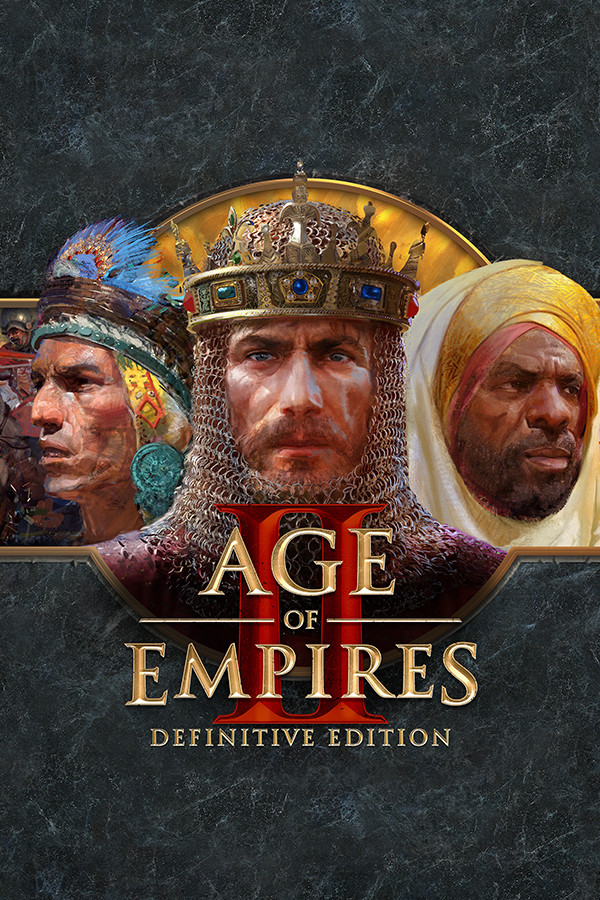 Age of Empires II: Definitive Edition
The RTS that taught a generation how civilizations rise and fall. Resource management, military strategy, and historical campaigns that still hold up decades later. The definitive edition proved the design was timeless.
 Diablo II
The game that defined the action RPG. Loot, builds, and one more run. Blizzard at their peak, before they forgot what made them great. Every ARPG since is either copying it or reacting to it.
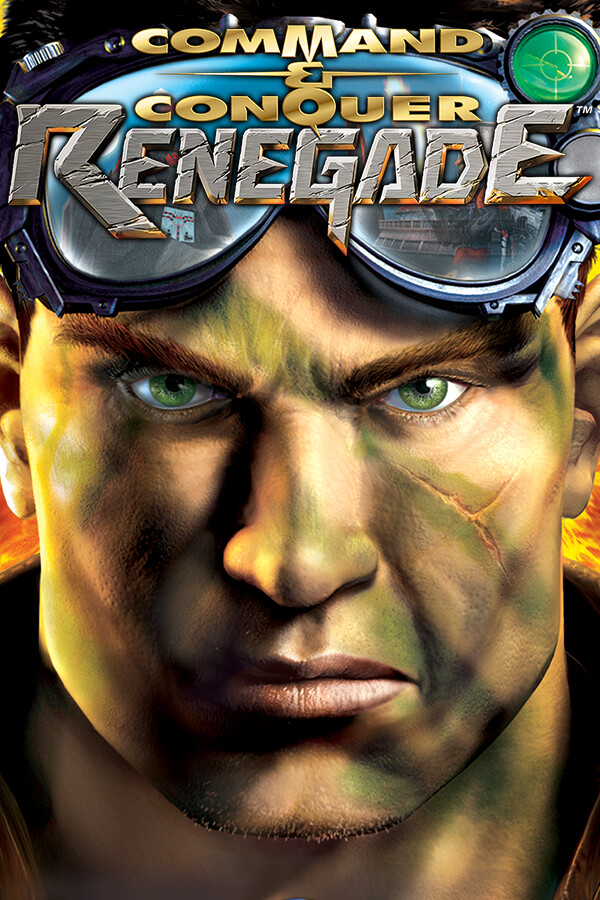 Command & Conquer: Red Alert 2
Cold War absurdity as real-time strategy. Soviet Tesla coils versus Allied Prism tanks, played completely straight. The best C&C game and the peak of Westwood Studios before EA buried them.
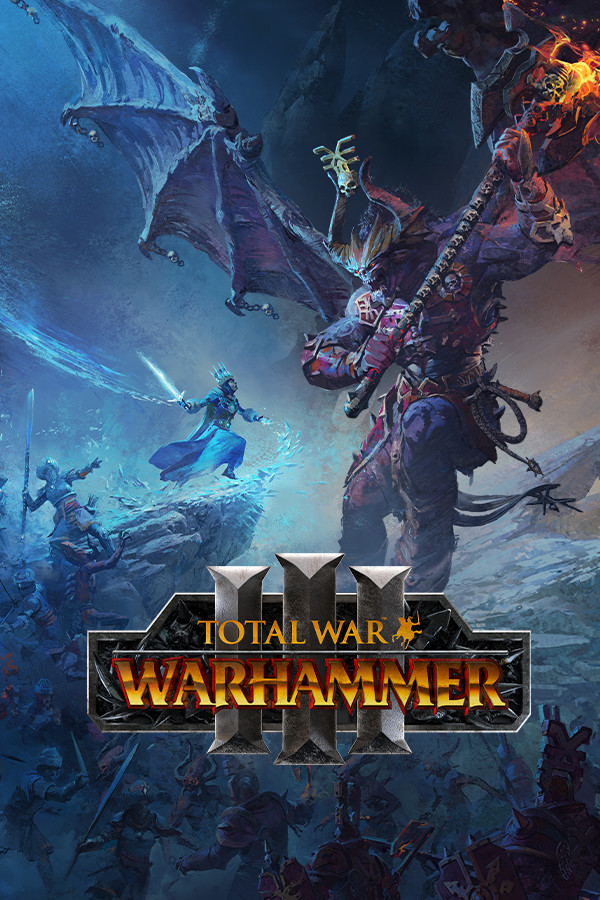 Total War: Warhammer III
The culmination of the Total War fantasy trilogy. Grand strategy meets spectacle, with the Immortal Empires campaign offering more strategic depth than any other game in the genre.