YouTube & Podcasts
YouTube podcasts and videos I recommend.
2026
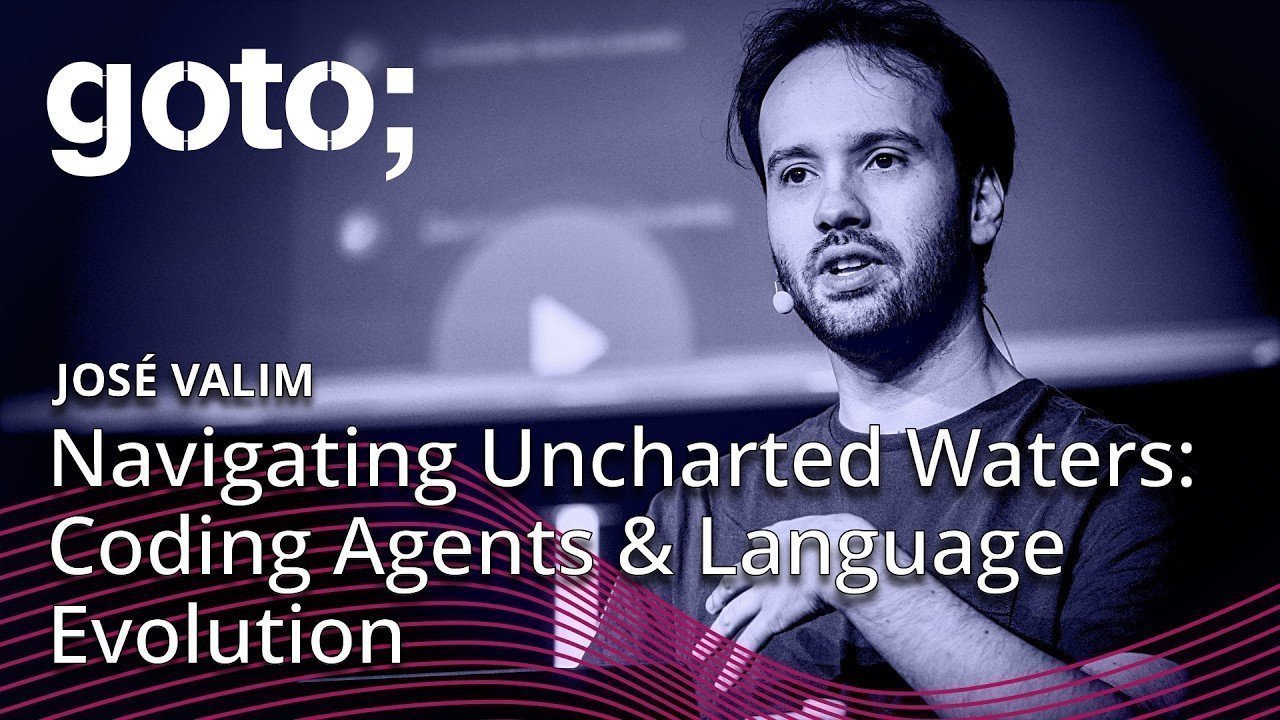
Valim thinks clearly about what AI coding agents mean for language design. Relevant to anyone building programming languages right now.
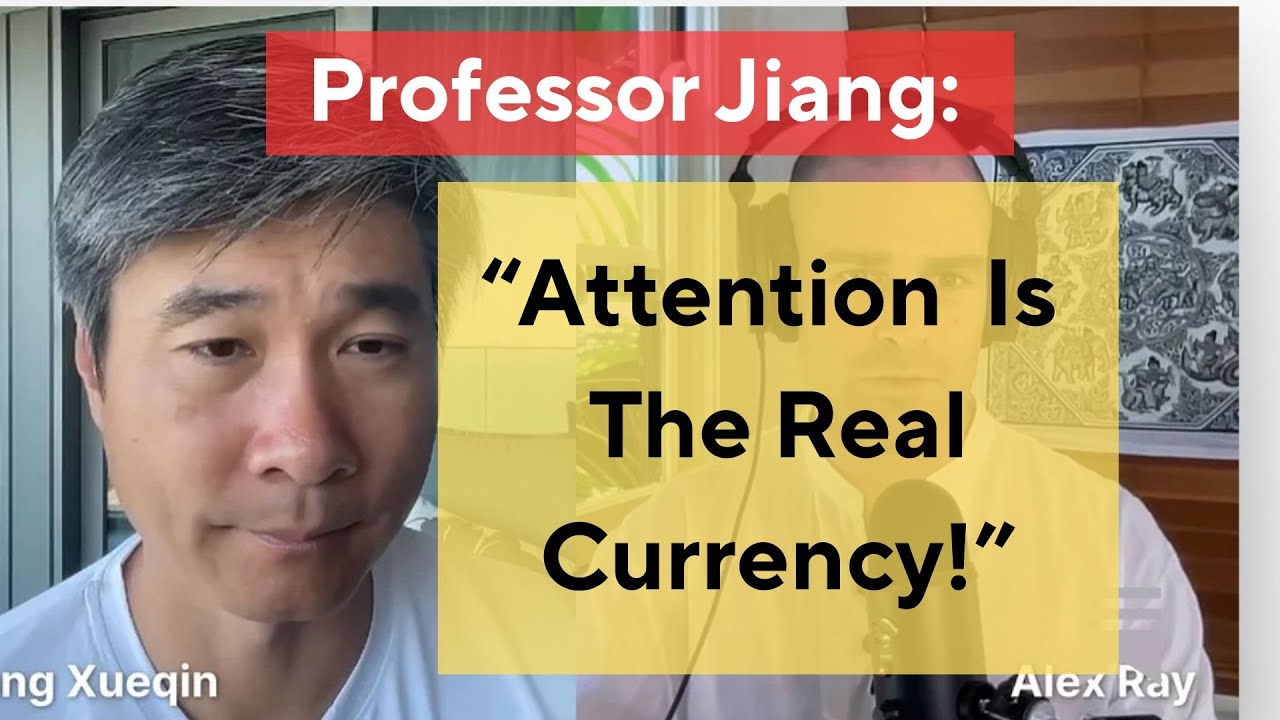
A rare conversation that connects pattern recognition, consciousness, and information warfare without losing rigor.
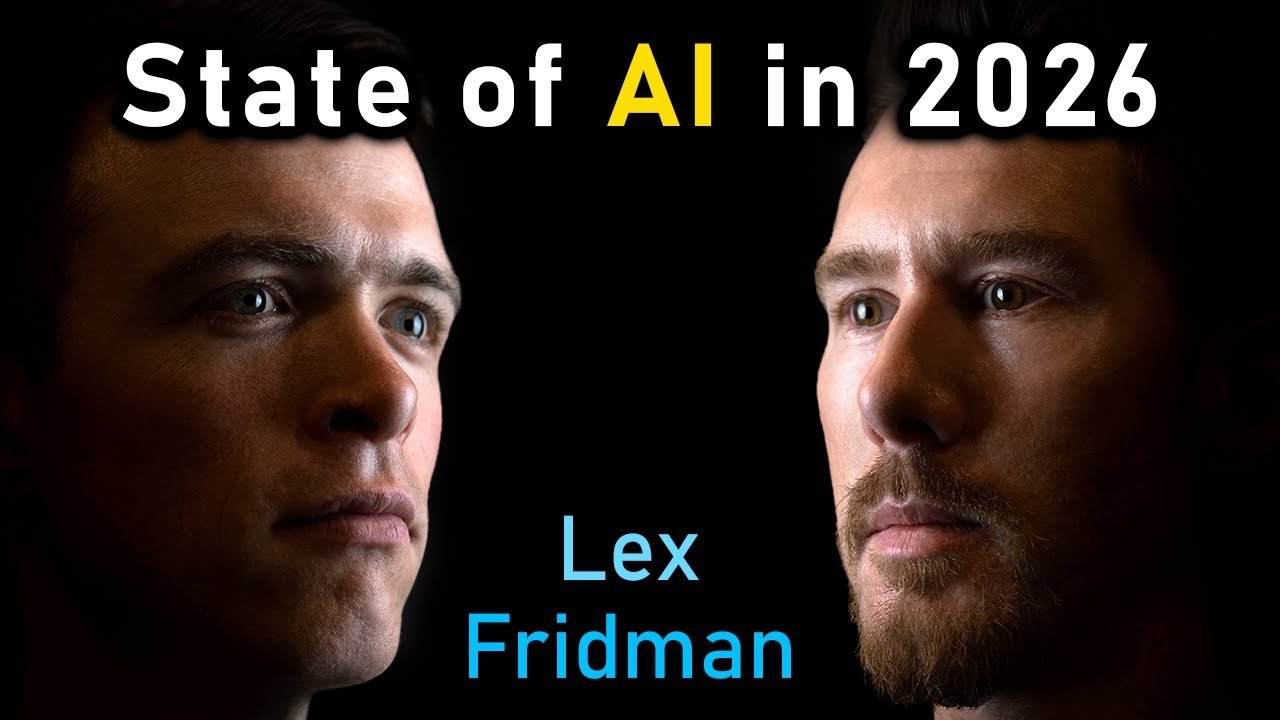
Comprehensive overview of where AI actually stands. Scaling laws, geopolitics, and the gap between hype and deployment reality.
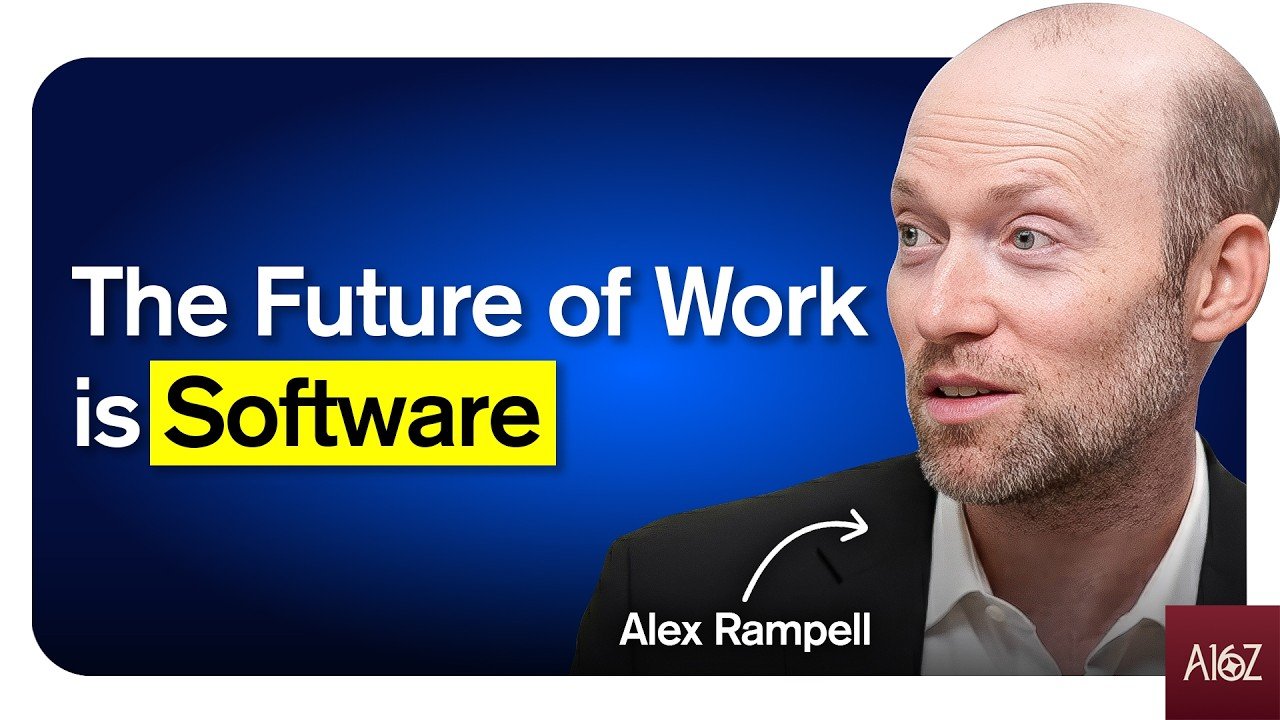
The structural argument for what happens when AI automates cognitive work. Not hype, an honest assessment of labor market disruption.

Institutional decay at the global level. The framing goes beyond personalities to the structural forces reshaping the international order.
Dense, practical, and more useful than most business books. Worth the time if you run anything.
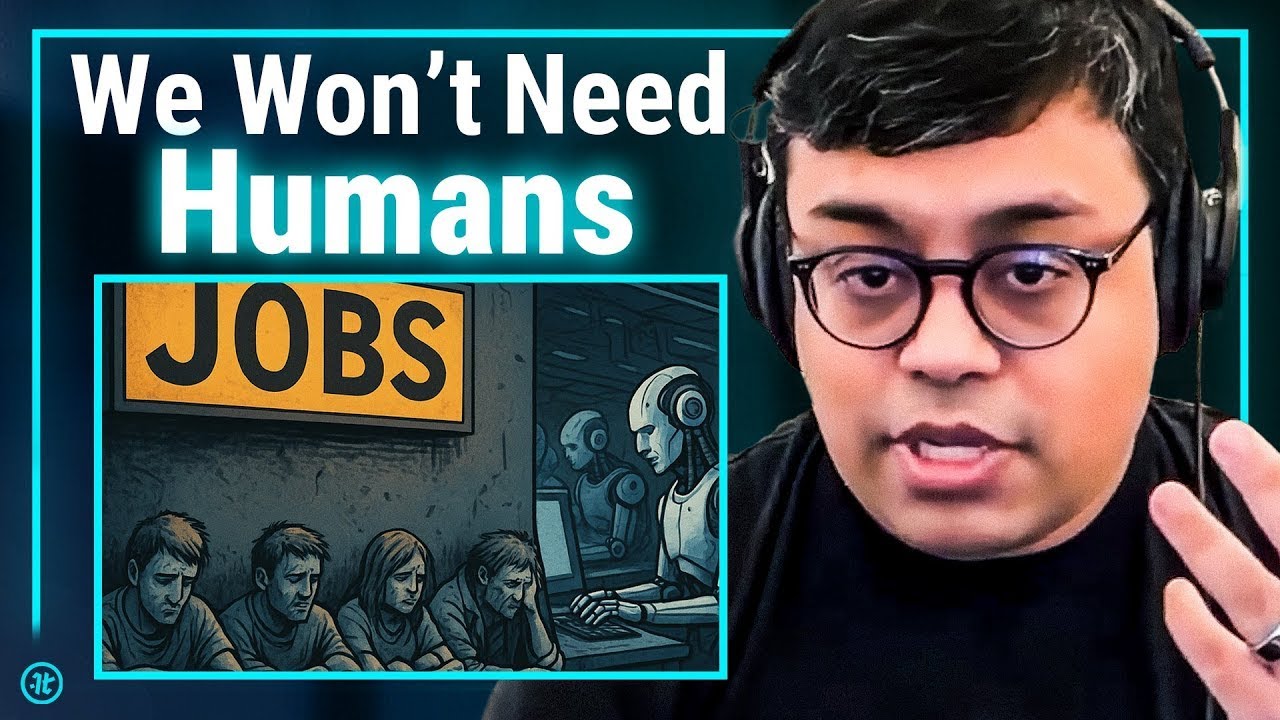
Mostaque's thesis on AI and economic transformation. Provocative framing, but the mechanism he describes for how intelligence commoditization changes everything is worth engaging with seriously.
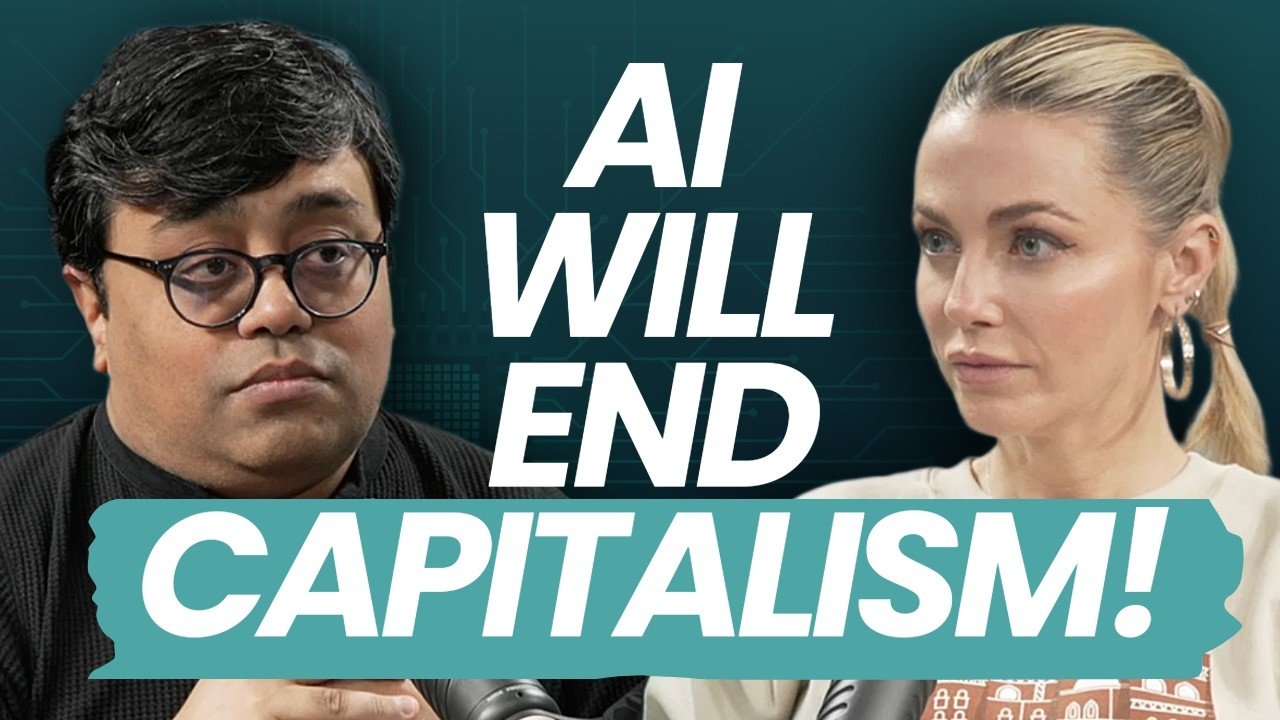
The urgency argument for AI timelines. Whether you agree with the timeline or not, the structural reasoning is worth understanding.

Macro environment from the perspective of people who deploy capital at scale. The optimism is backed by structural reasoning, not sentiment.

A close reading of one of the best action sequences in cinema. Shows how much philosophical architecture is embedded in what looks like a chase scene.
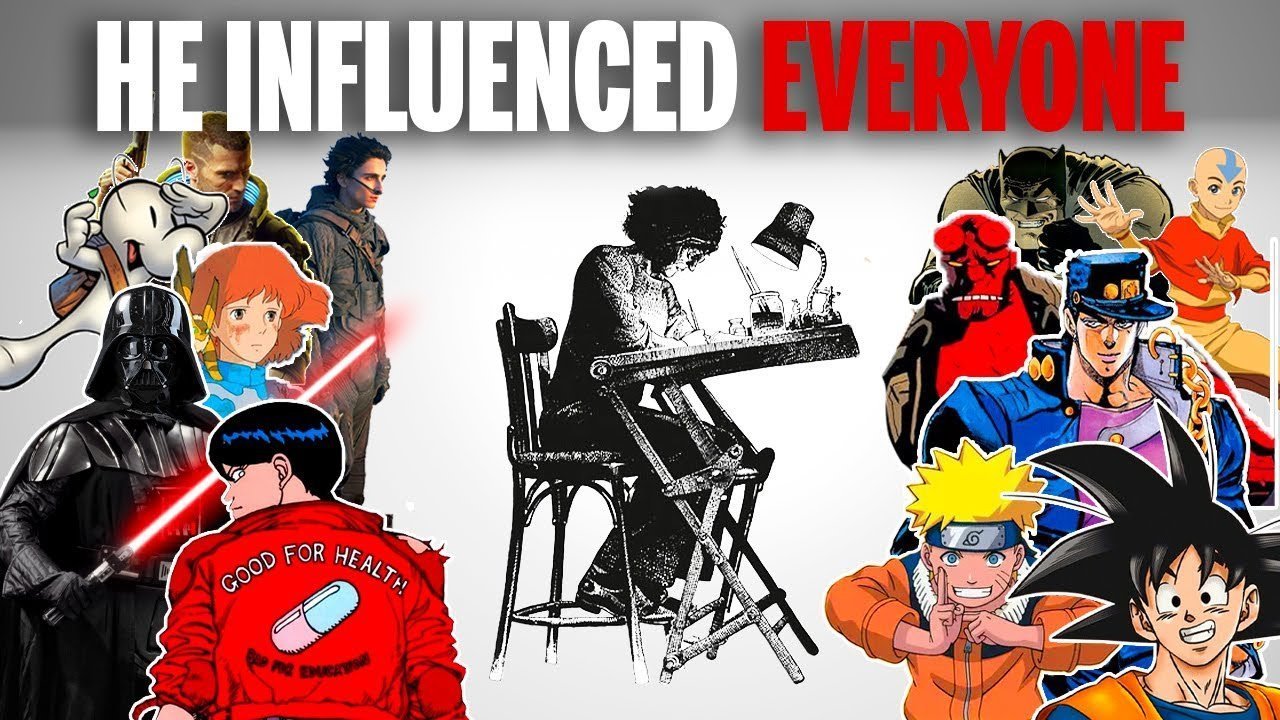
Moebius shaped Alien, Blade Runner, The Fifth Element, and most science fiction visual language. Essential context for understanding where the aesthetic of the future comes from.
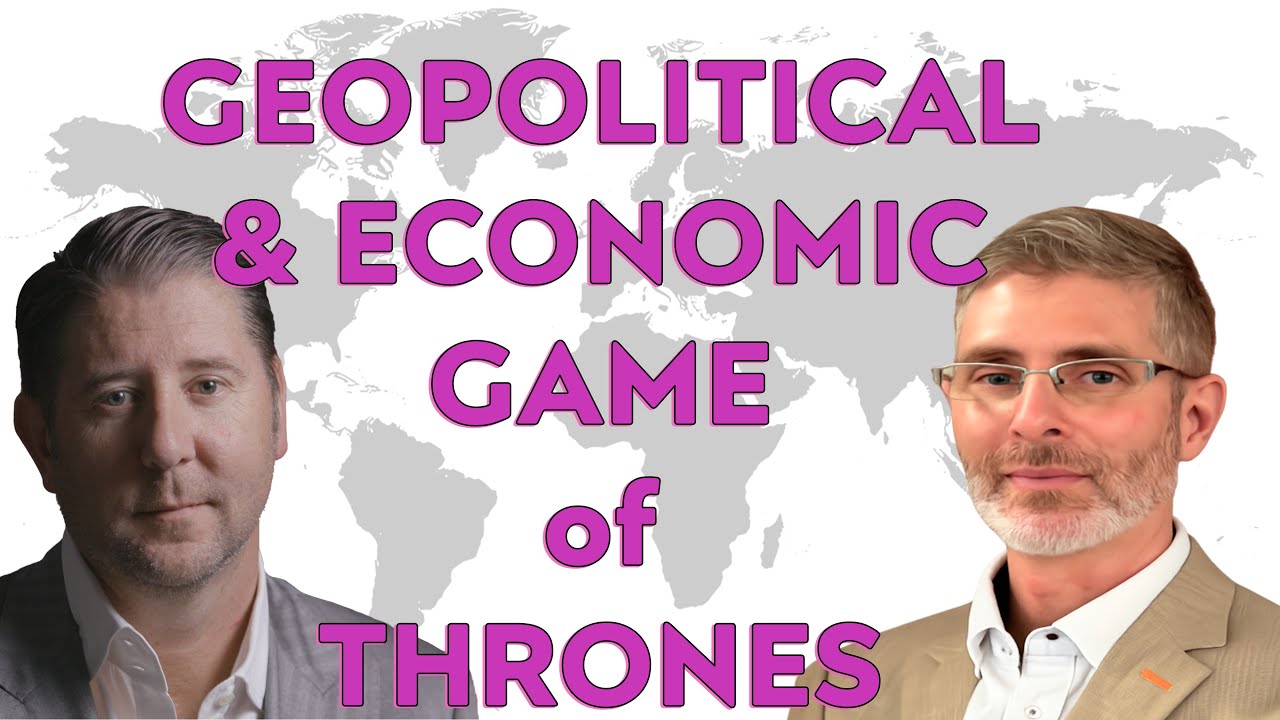
Michael Every is one of the sharpest macro thinkers working. His framework for understanding institutional collapse is grounded in history, not ideology.
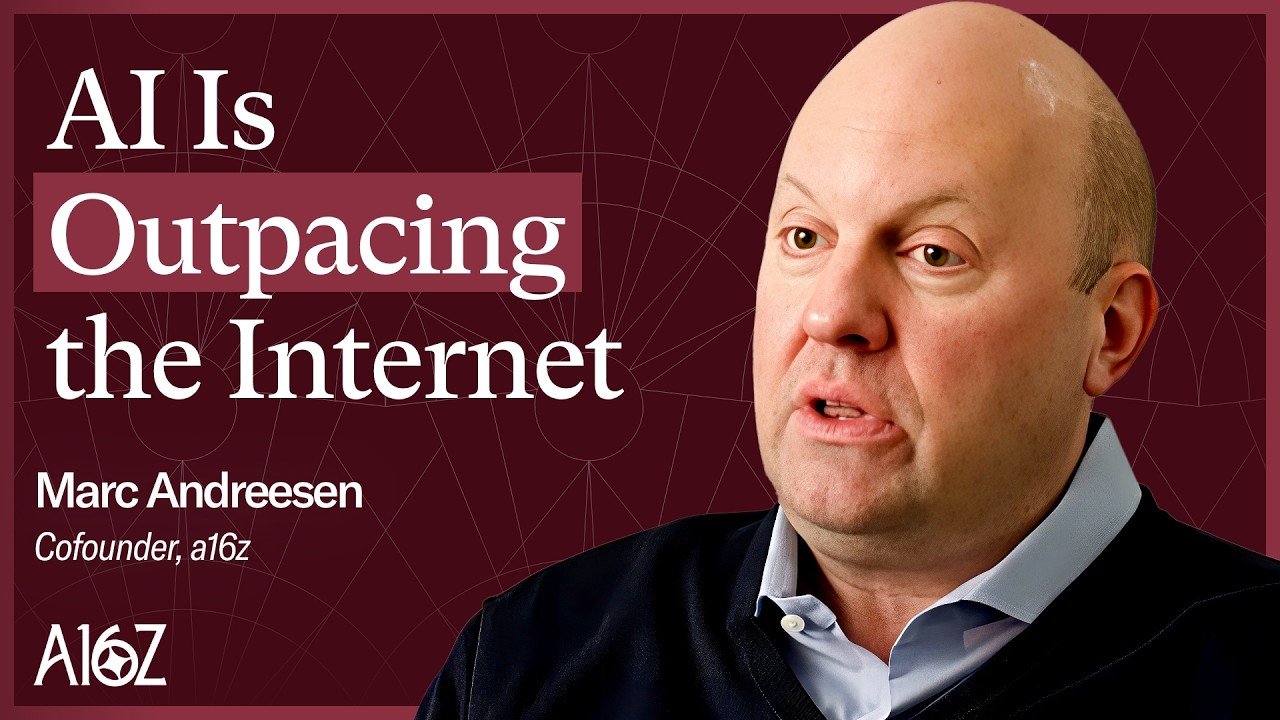
Andreessen on AI geopolitics and deployment timelines. Useful for calibrating expectations against someone who sees the deal flow.
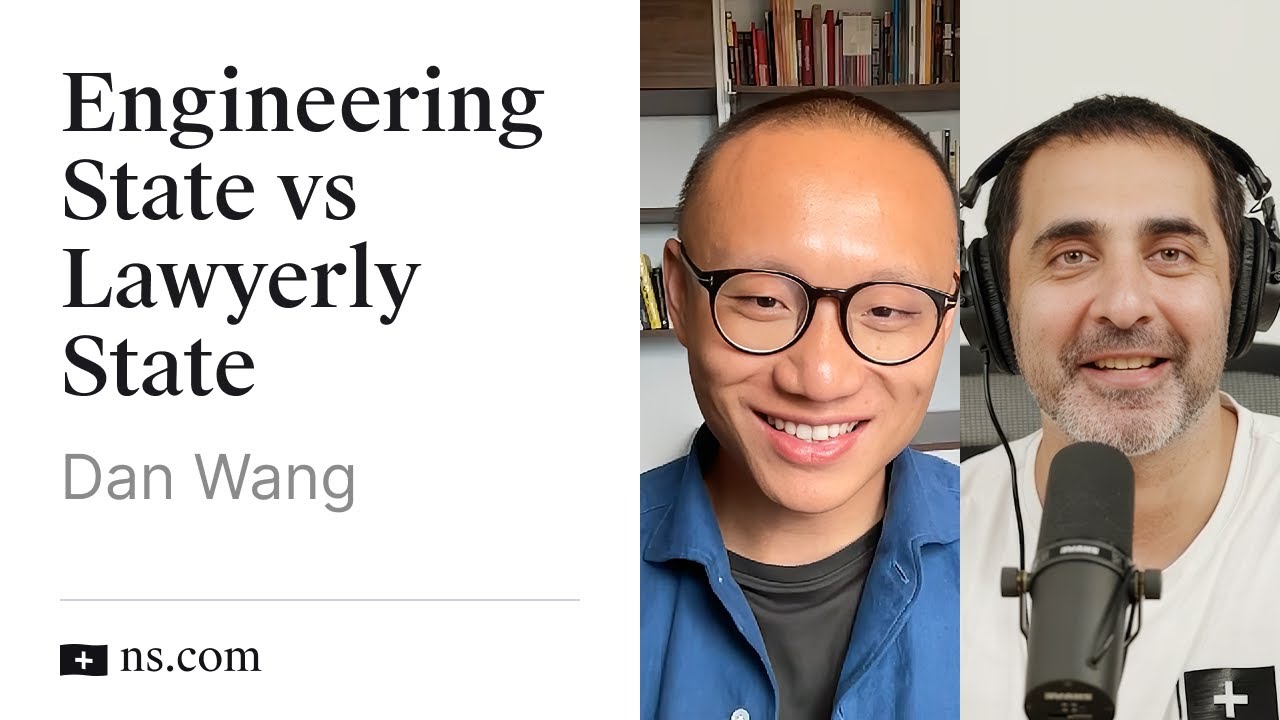
Dan Wang's distinction between states that build things and states that litigate things. The implications for industrial policy and technological competitiveness are significant.
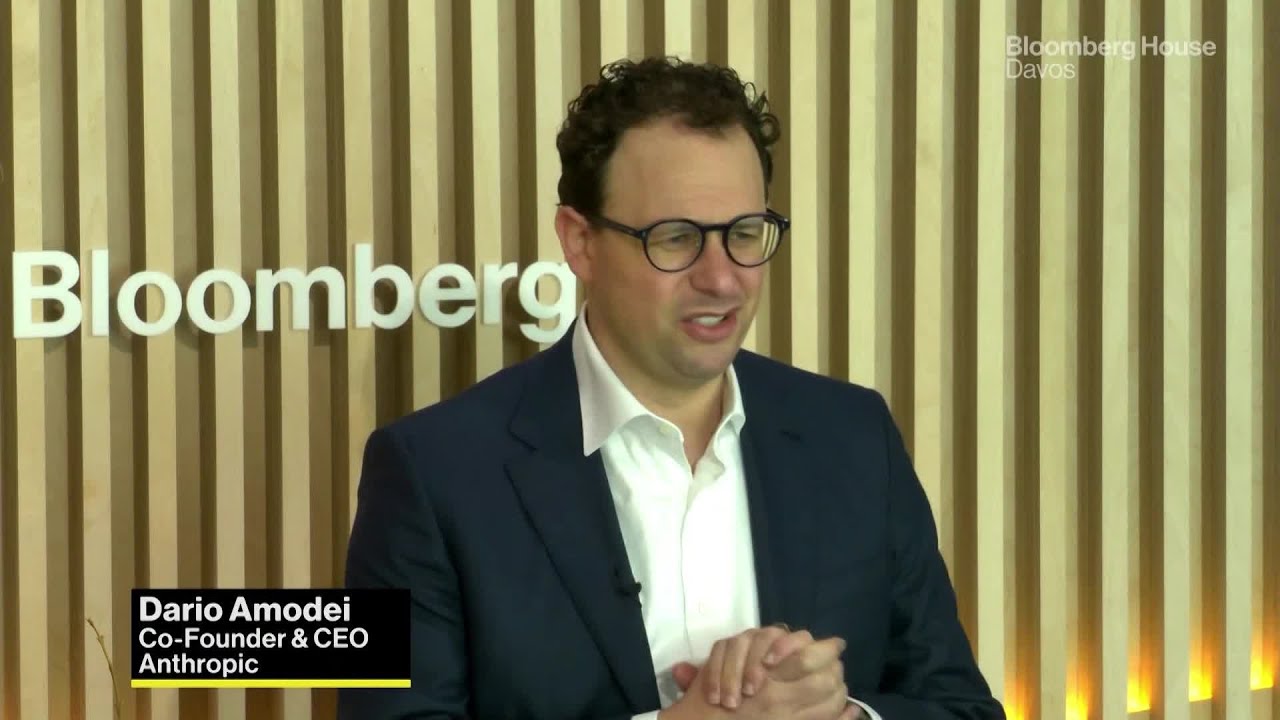
Amodei articulates the dual nature of AI development, enormous capability and genuine risk, without collapsing into either pure optimism or doom.
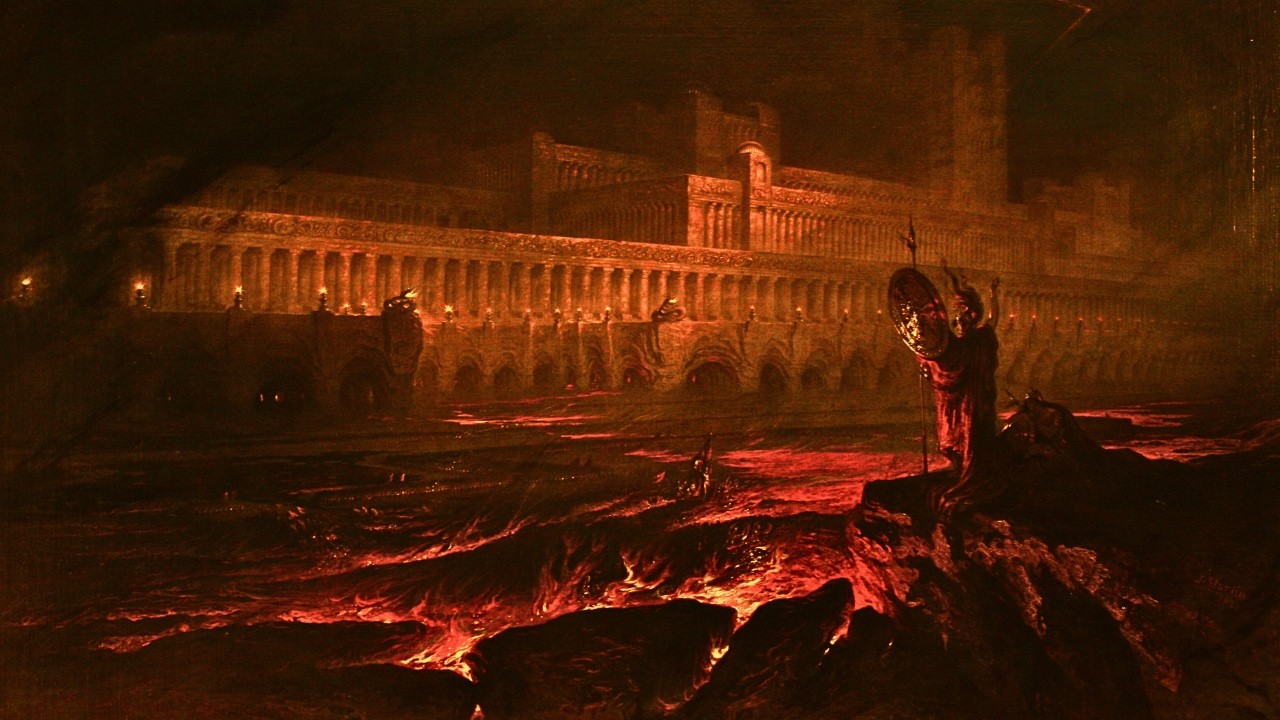
Art analysis that makes you see more than you would on your own. The kind of close attention to craft that applies to any discipline.

The decline of public aesthetic standards and what it reveals about institutional priorities. Connects to the argument in my Friction as Luxury essay.
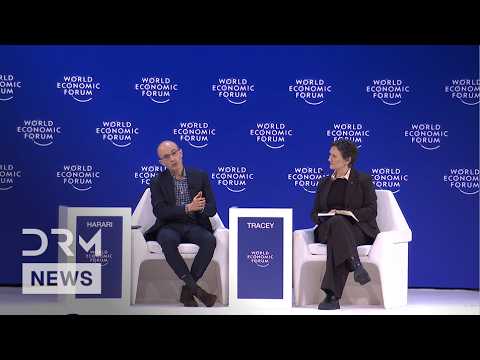
Harari's argument about AI capturing the instruments of meaning-making: language, law, narrative. The institutional implications are underexplored elsewhere.