Crypto doctrine
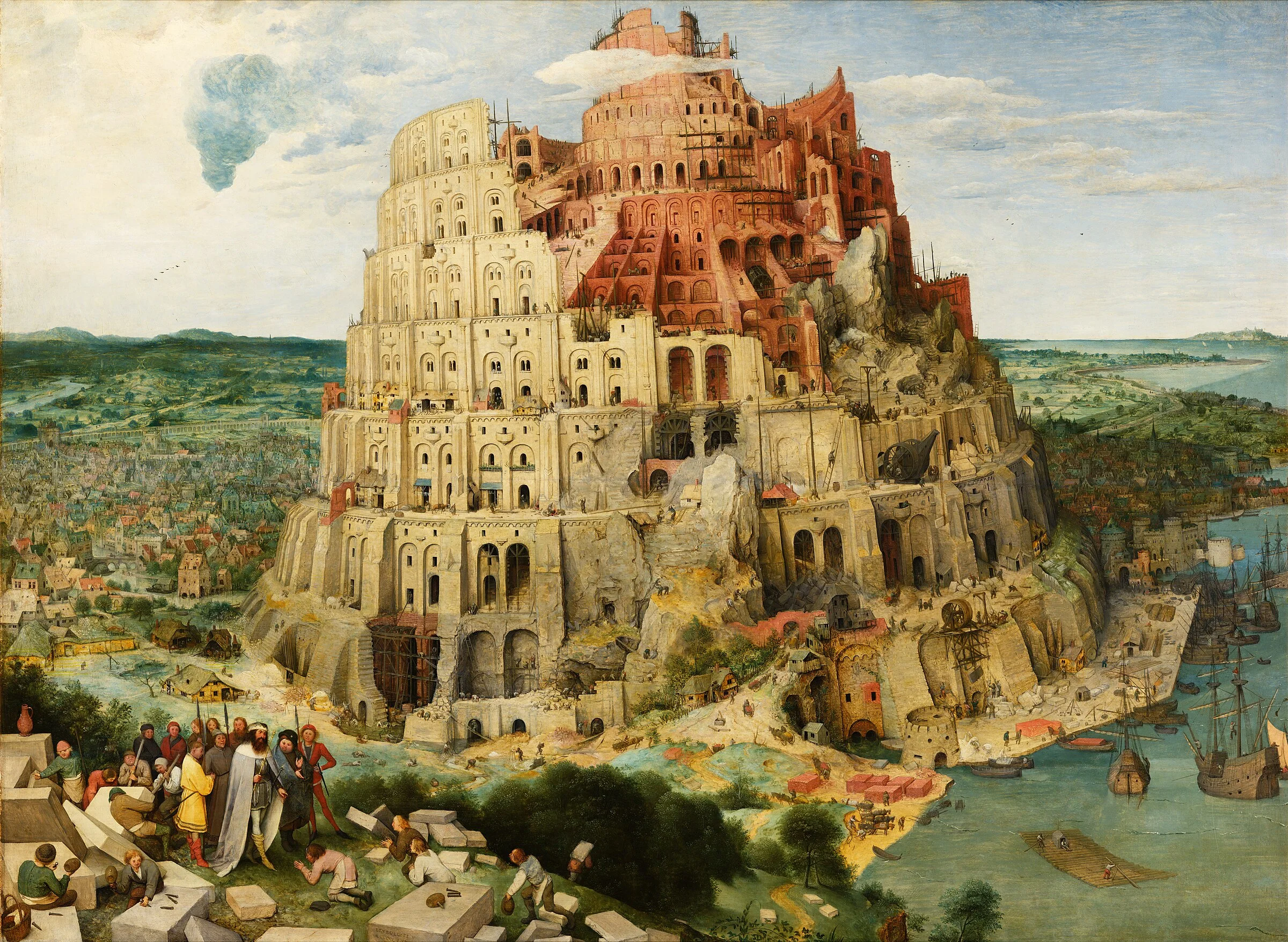
#Crypto and the accelerated and chaotic 21st Century
Crypto has been most useful where trust is weakest. In practice, it has found product-market fit in two places:
- In countries where inflation, capital controls, or censorship are ordinary constraints, crypto gives people and companies tools they actually need.
- In internet-native communities, crypto provides a financial layer that lets people coordinate, speculate, and build markets at a scale the web did not support before.
People that don’t live in a developing country or that didn’t grow up with the internet have enormous difficulties understanding crypto because they don’t have skin in its game. They believe crypto doesn’t have any “real” use case or that is not serious enough. They are right. The thing is that we are living in a world that’s becoming more absurd.
Memes do not only make you laugh anymore, memes are now winning elections.
These use cases will grow with time and probably new ones will be found. The world is becoming more chaotic and more divided each day. Crypto benefits from that kind of environment because it reduces the number of places where trust has to be taken on faith.
One of crypto’s prime advantages is that it kills many of the middlemen and allows us to coordinate even in the harshest environments. Trust assumptions fall because more of the system is enforced by incentives, compilers, distributed systems, and cryptography. That does not remove politics or disagreement. It just narrows the set of things people need to argue about.
Most of us are internet natives. We grew up on IRC, 4chan, Reddit, Hacker News, Twitter, Bitcoin, and Ethereum, and we also have roots in unstable countries. We are the Fremen of crypto, raised in a harsh environment. We know what chaotic societies feel like from the inside, and we know what it takes to build inside them. At the same time, we are builders who like working at the frontier of engineering and scientific change.
Open source and decentralization are not just philosophical preferences for crypto. They are practical conditions for the ecosystem to work. Building in the open, helping other people onboard, and creating systems larger than the original project are part of how crypto survives long term. This can look irrational if you assume the only goal is short-term extraction. It is more legible if you assume the goal is to help a new financial and coordination layer persist.
Our main objective is to help these new internet highways get built in sustainable ways. Economic sustainability matters, but so do resilience, openness, and the ability to resist the usual drift toward centralization. Centralization is almost always easier in the short run. If pure money were the only objective, there would be simpler ways to make it. We treat money as a tool, not the final point.
With or without money, you will find us building.
“Top-down management leveraging command-and-control hierarchies are for the mahogany boardrooms of yesteryear. We are navigators, adventurers, and explorers of the future. We are married to the sea” - Yearn’s Blue Pill