Articles treat various subjects in a single page, contrary to series.
2026
 Legibility Kills What It Measures
What happens when AI makes everything legible? The things that worked because they couldn’t be seen clearly may stop working once they can.
 Friction as Luxury: What We Lose When AI Gives Us What We Want
The scarcity that matters most in a post AGI world won’t be compute or energy. It will be desire itself.
 China is trying to commoditize the complement
What happens to the West’s services advantage when strong AI models are free, portable, and running on every laptop?
 Building a SaaS with Elixir/Phoenix and React
Our stack and practices for building SaaS applications: Elixir on the backend, React on the frontend, Nix for everything else. No Docker. No Kubernetes.
 Unprepared for What’s Coming
Humanity is completely unprepared for what’s coming. The pace of AI advancement might give people months to adapt, not decades.
 Type Systems: From Generics to Dependent Types
A practical guide through the landscape of type systems, from everyday generics to dependent types that prove correctness, with examples in Rust, Scala, and Idris
2025
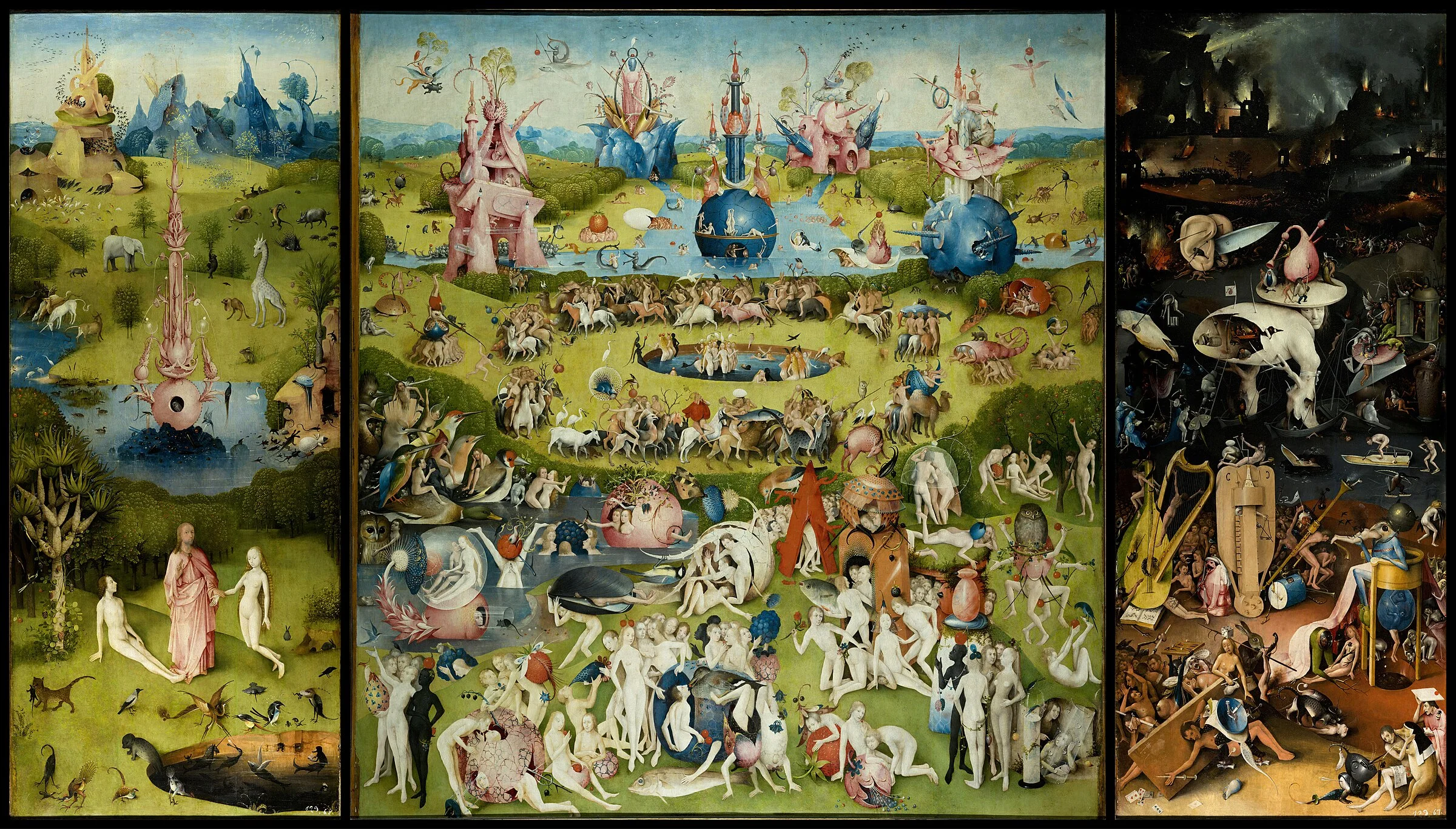 The Death of the Inner Self
Individuality is a coordination technology. It emerged under specific historical conditions, and those conditions are weakening as computation, capital, and automated feedback loops absorb the functions it once performed.
 Notes on permanence, time, and ergodicity
A framework for building institutions that compound under pressure: treat time as information, preserve loop integrity, and focus on domains where repetition improves judgment.
 Crypto doctrine
Crypto found product-market fit where trust is weakest: inflationary or censored economies, and internet-native communities that need programmable coordination and markets.
2023
 Transforming the Future with Zero-Knowledge Proofs, Fully Homomorphic Encryption and new Distributed Systems algorithms
The proving-verification asymmetry in zero-knowledge proofs is what makes them economically meaningful: proving is expensive, verification is cheap, and that gap changes what systems can be built without trust.