Series
Series I recommend, and what I want to watch next.
Recommended
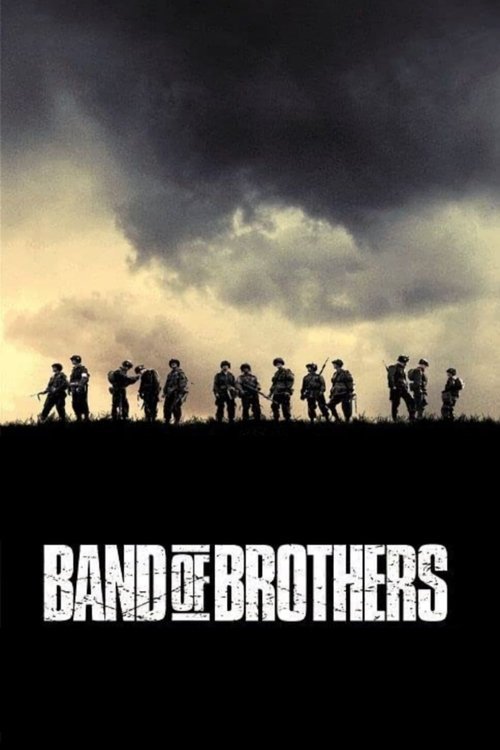 Band of Brothers
The definitive treatment of what holds a unit together under conditions designed to destroy it. Leadership, loyalty, and the cost of both.
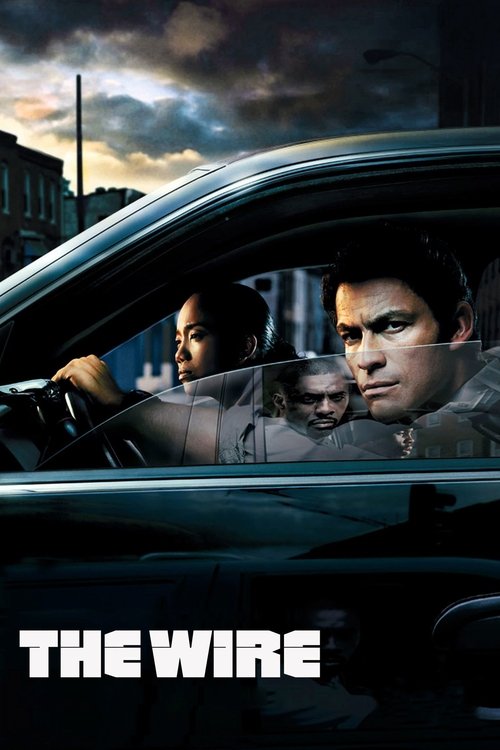 The Wire
The only television show that treats institutions as its real characters. Every season adds a system (police, docks, politics, schools, media) and shows how each one fails the people inside it.
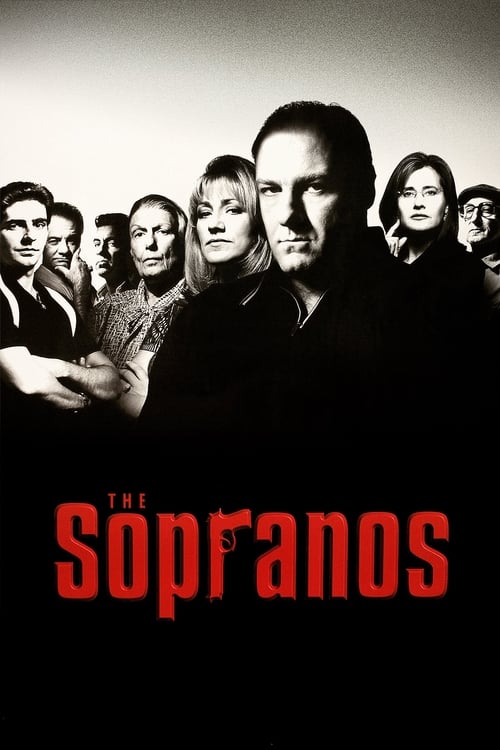 The Sopranos
Therapy as narrative device. Tony Soprano cannot change because the system that made him rewards exactly what therapy asks him to confront. The show invented modern television.
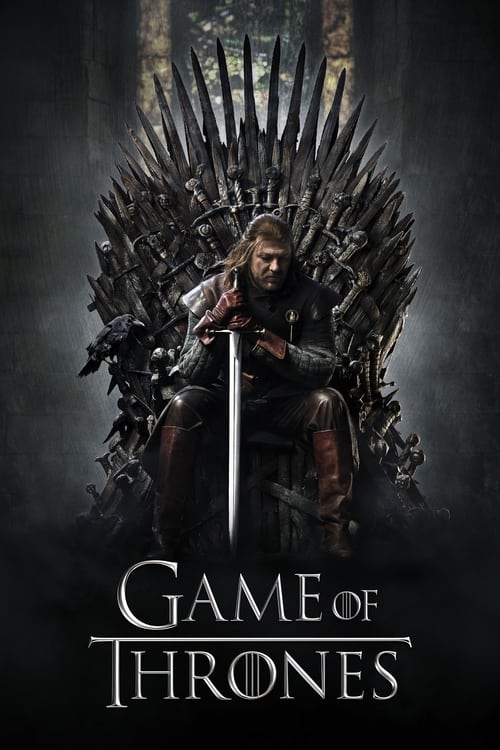 Game of Thrones
The first four seasons are the best treatment of political realism in popular fiction. Power is not claimed by the worthy. It is seized by whoever understands the game.
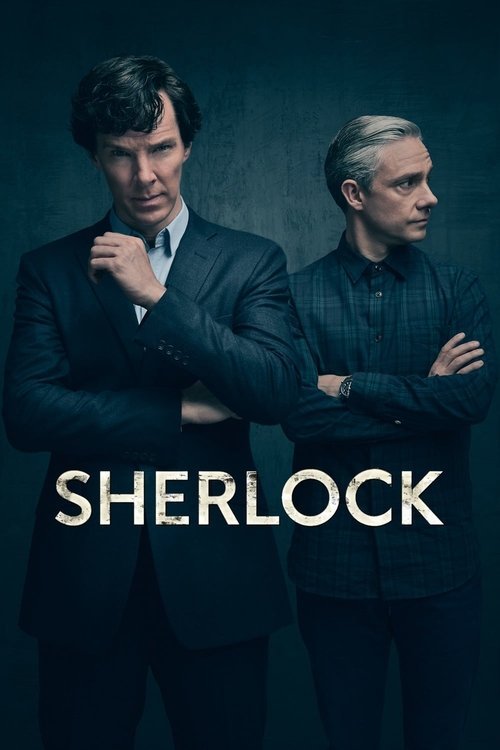 Sherlock
Intelligence as performance. Cumberbatch and Freeman's chemistry carries it, but the best episodes work because the puzzles are genuinely clever.
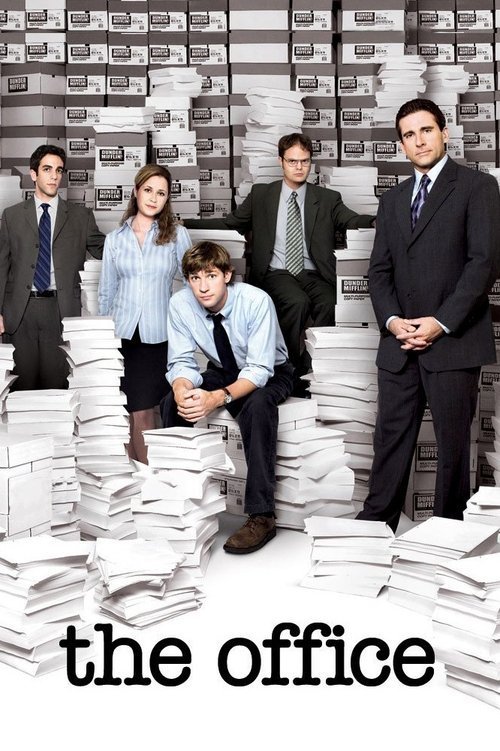 The Office
The most accurate depiction of institutional life ever made, disguised as comedy. Michael Scott's need to be loved is funnier and sadder than anything scripted as drama.
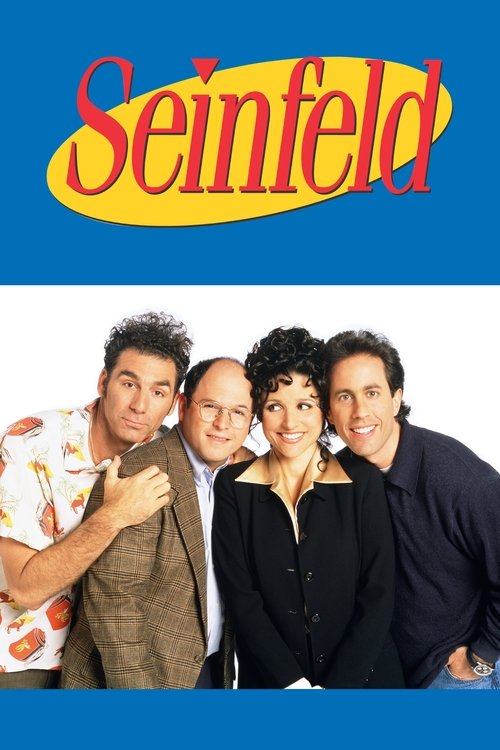 Seinfeld
A show about nothing that invented the language of observational comedy for a generation. The characters are terrible people, and the show never asks you to forgive them.
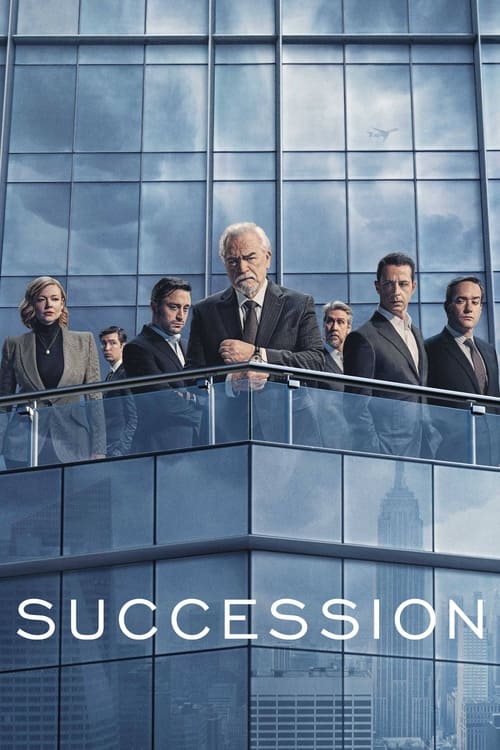 Succession
Power, inheritance, and the impossibility of earning approval from someone who sees love as weakness. The best dialogue on television since Deadwood.
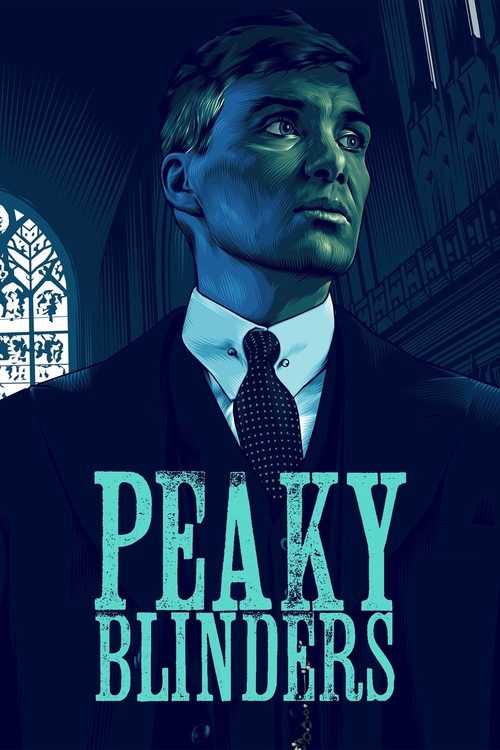 Peaky Blinders
Ambition as engine and trap. Tommy Shelby keeps building and can never stop, which is the most honest portrait of a certain kind of entrepreneur.
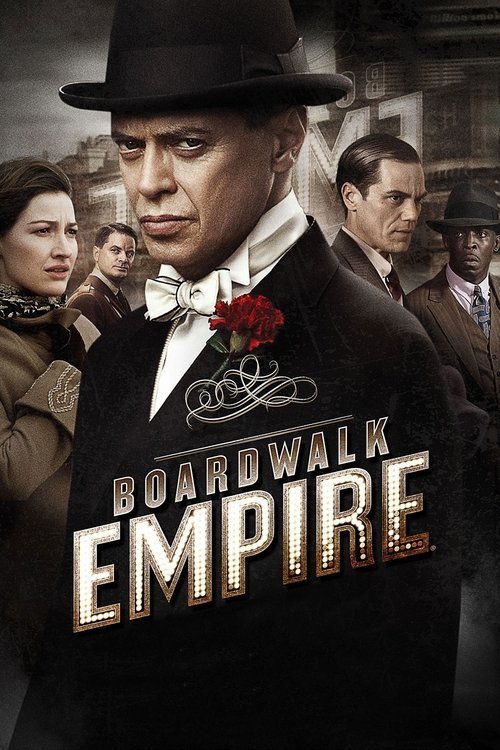 Boardwalk Empire
Prohibition-era America as a case study in how banning something creates the institutions that profit from its absence. Scorsese's visual language applied to television.
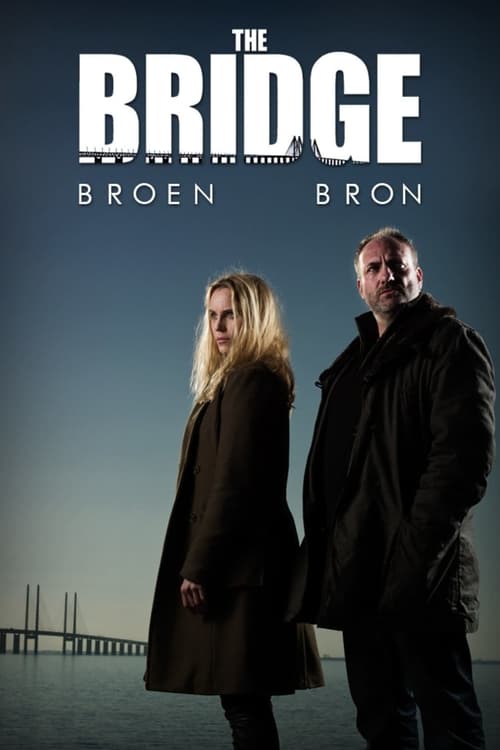 Bron/Broen (The Bridge)
Scandinavian noir at its best. Saga Norén's inability to perform social norms makes her a better detective, not worse. The original that launched a genre.
 Homeland
Paranoia as professional requirement. The first two seasons are extraordinary. Carrie's instability is inseparable from her insight, and the show takes that seriously.
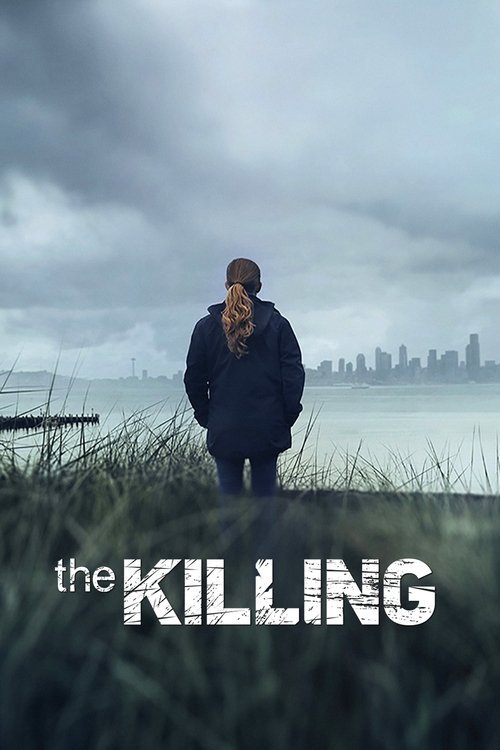 The Killing
Slow, atmospheric, and willing to let the investigation feel as frustrating as real investigations do. One of the few crime shows that respects the audience's patience.
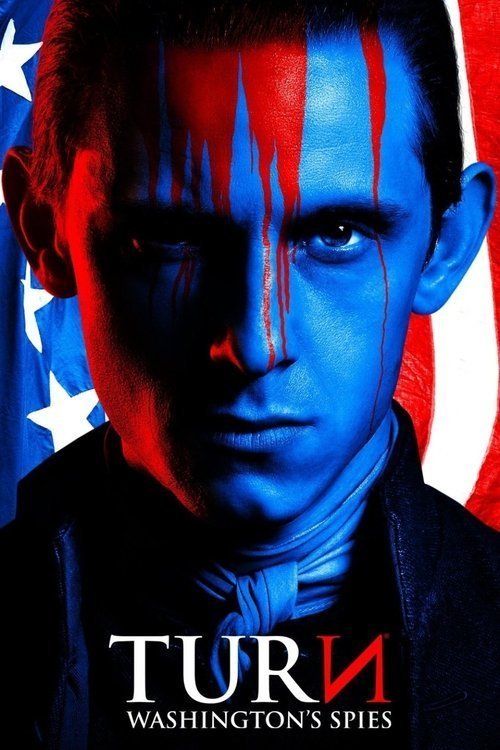 Turn: Washington's Spies
Espionage as the foundation of a nation. The show makes a convincing case that intelligence work, not battlefield heroics, won the American Revolution.
Want to Watch
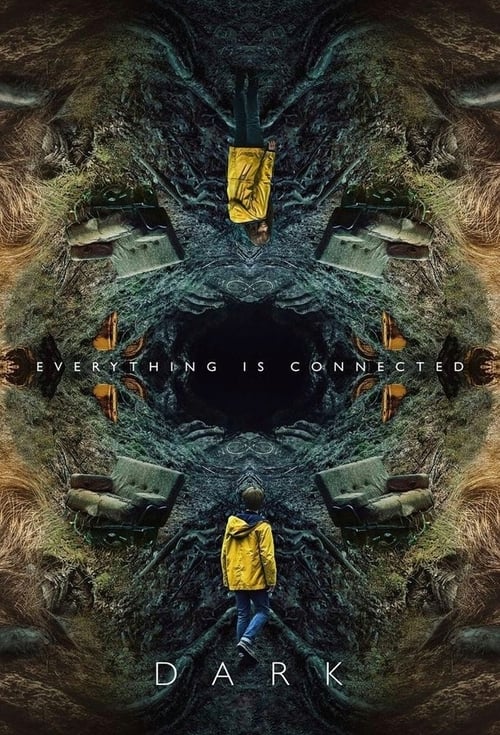 Dark
(2017)
Dark
(2017)
Four families in a German town connected across multiple timescales. Time travel as determinism. The most carefully plotted show since The Wire, where every detail in episode one pays off by the finale.
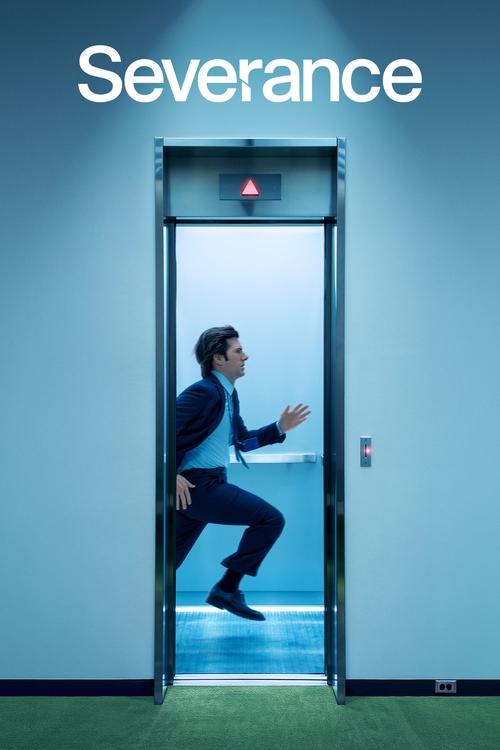 Severance
(2022)
Severance
(2022)
Workers have their memories surgically split between office and personal life. What happens to identity when you are literally two people. Corporate dystopia as psychological horror.
 Shogun
(2024)
Shogun
(2024)
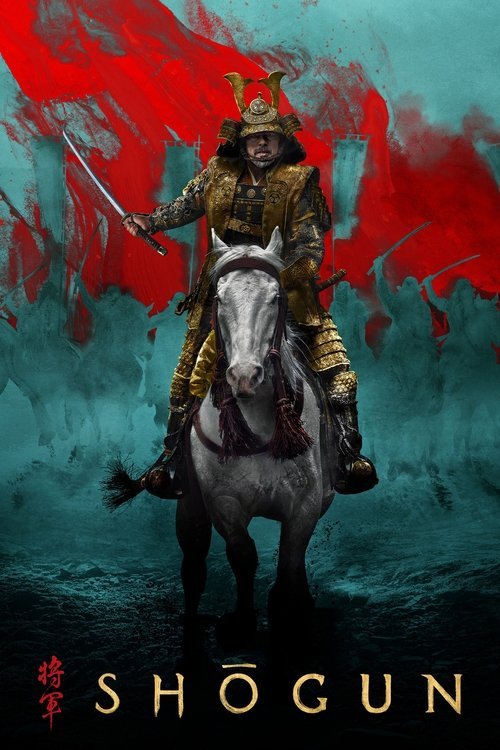
Political maneuvering in feudal Japan. An English navigator caught between warring lords, where every conversation is a negotiation and every alliance is temporary. Patience rewarded.
 Andor
(2022)
Andor
(2022)
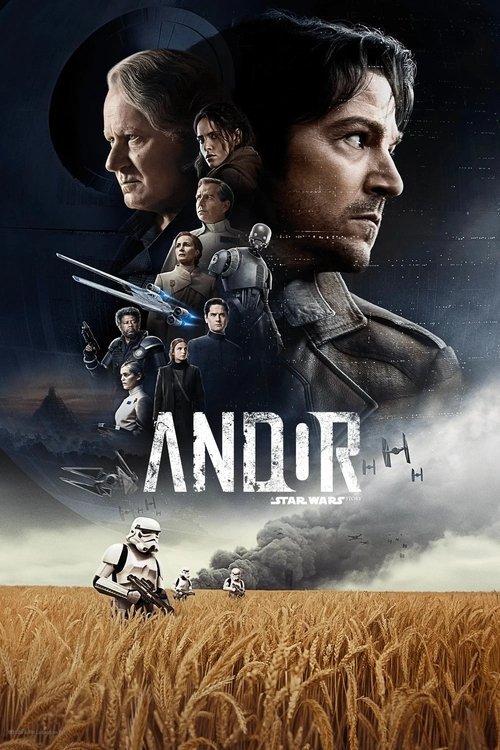
Star Wars stripped of mythology and rebuilt as political thriller. How rebellion forms inside systems designed to prevent it. The best thing the franchise has produced since the original trilogy.
 The Penguin
(2024)
The Penguin
(2024)
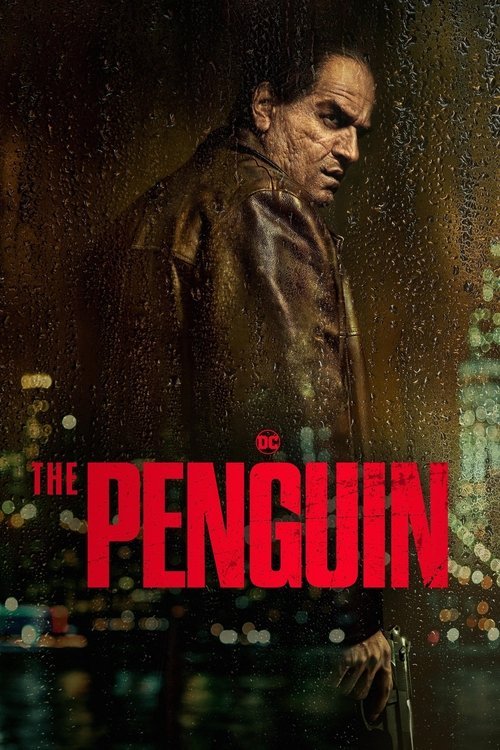
Colin Farrell's Oz Cobb climbs Gotham's criminal hierarchy after the events of The Batman. Crime drama that barely needs the DC label. Power acquisition as character study.
 Mr. Robot
(2015)
Mr. Robot
(2015)
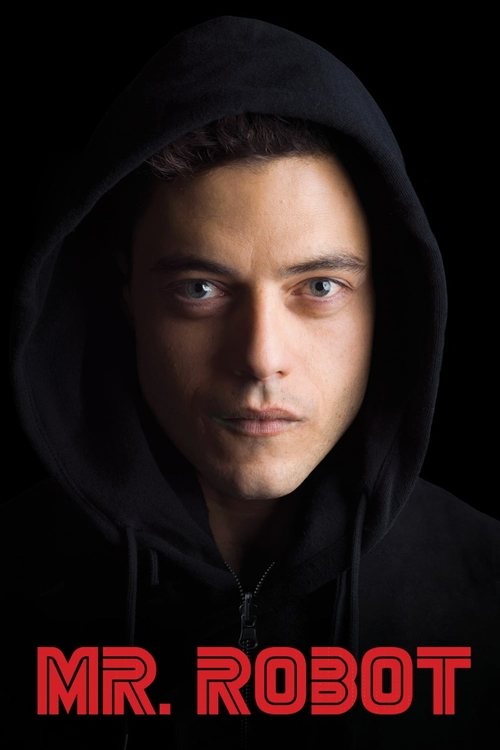
A hacker tries to destroy the financial system. The most technically accurate depiction of cybersecurity in fiction, wrapped in a story about loneliness, identity, and whether systemic change is possible from inside the system.
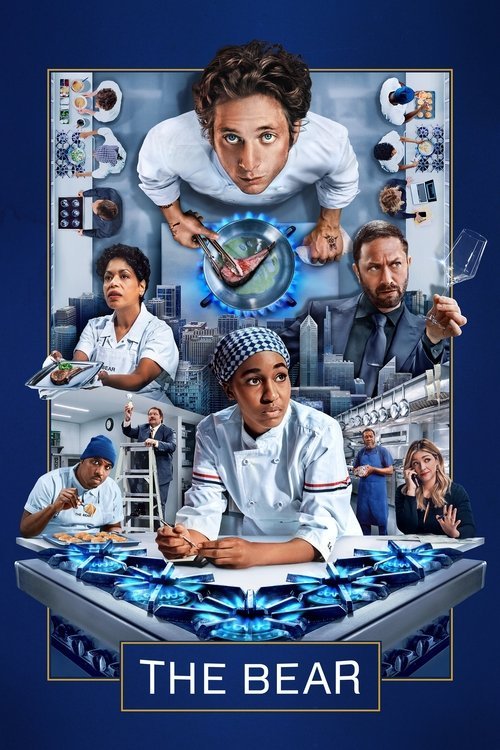 The Bear
(2022)
The Bear
(2022)
A fine dining chef returns to run his family's Chicago sandwich shop. Trauma, perfectionism, and the kitchen as pressure cooker for human dysfunction. The most stressful show on television.
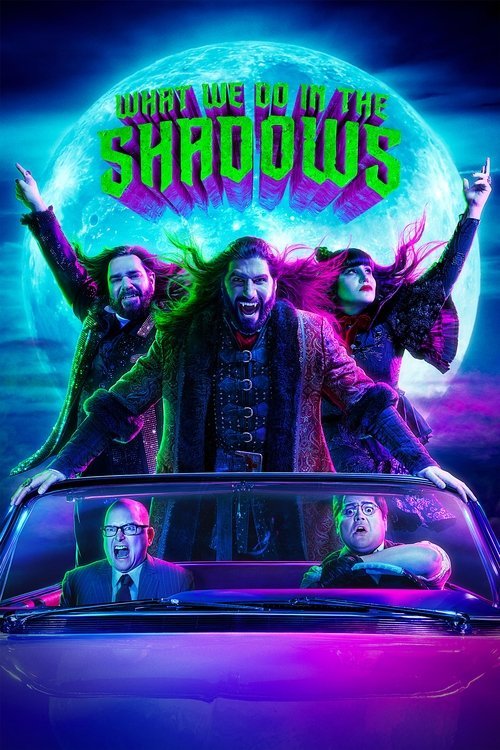 What We Do in the Shadows
(2019)
What We Do in the Shadows
(2019)
Vampire roommates in Staten Island navigating modern life. Mockumentary comedy that gets funnier as the characters deepen. Six seasons of consistently inventive writing.
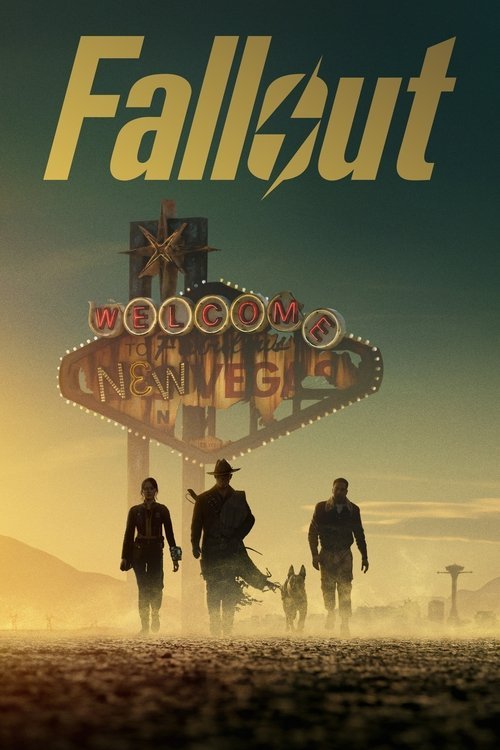 Fallout
(2024)
Fallout
(2024)
Post-nuclear America where corporations survived the apocalypse and rebuilt the same extractive systems. Dark comedy about institutional persistence. Based on the game series but stands alone.
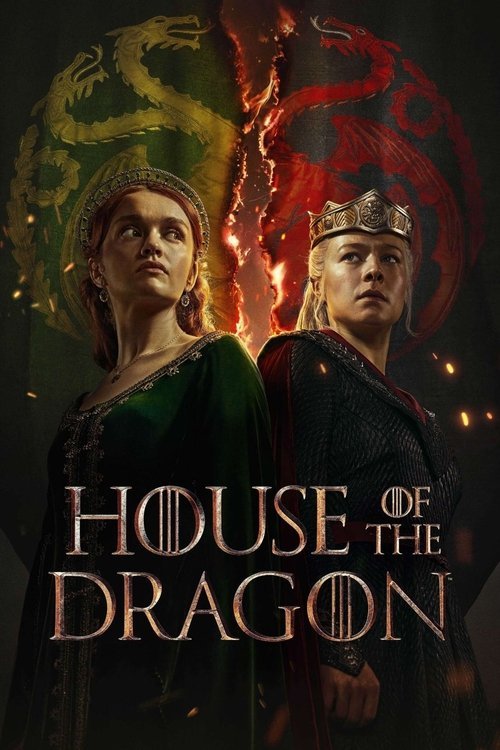 House of the Dragon
(2022)
House of the Dragon
(2022)
Targaryen civil war, 200 years before Game of Thrones. Succession politics where everyone has dragons. The question is not who has power but what power costs the people who hold it.
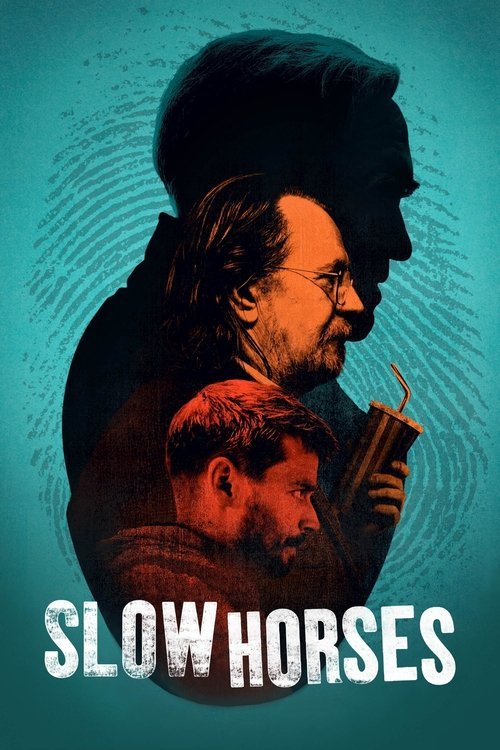 Slow Horses
(2022)
Slow Horses
(2022)
Disgraced MI5 agents exiled to a dead-end office who keep stumbling into real operations. Gary Oldman leading an ensemble of institutional rejects. British intelligence as bureaucratic comedy of errors.
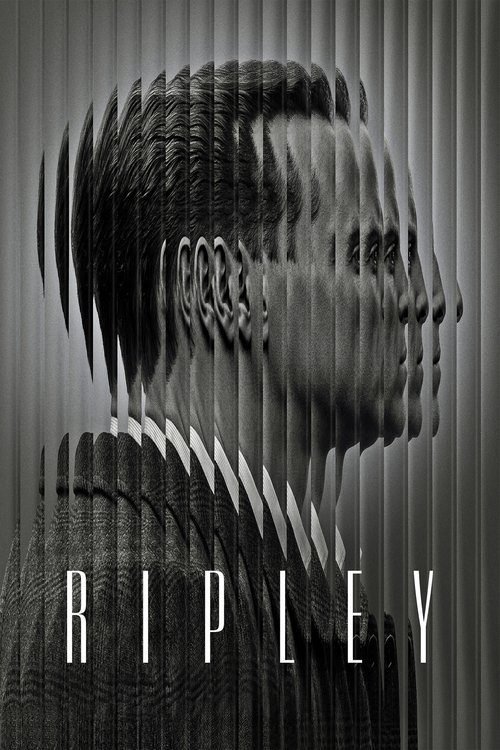 Ripley
(2024)
Ripley
(2024)
Andrew Scott as Tom Ripley in black and white Italy. Patricia Highsmith's sociopath rendered with visual precision. Identity theft as art form.
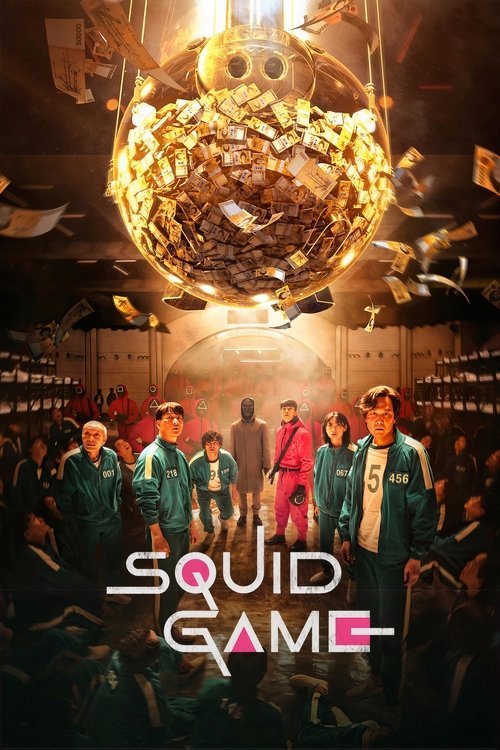 Squid Game
(2021)
Squid Game
(2021)
Desperate people compete in children's games for money while the wealthy watch. Class violence made literal. The premise is the critique: the system already treats people this way, just less visibly.
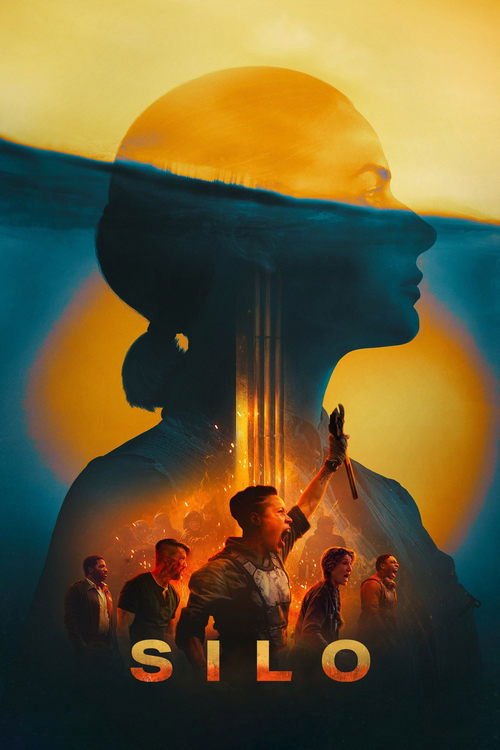 Silo
(2023)
Silo
(2023)
Ten thousand people live in an underground silo with strict rules about what can be discussed. Institutional secrecy, forbidden knowledge, and the cost of asking questions the system does not want answered.
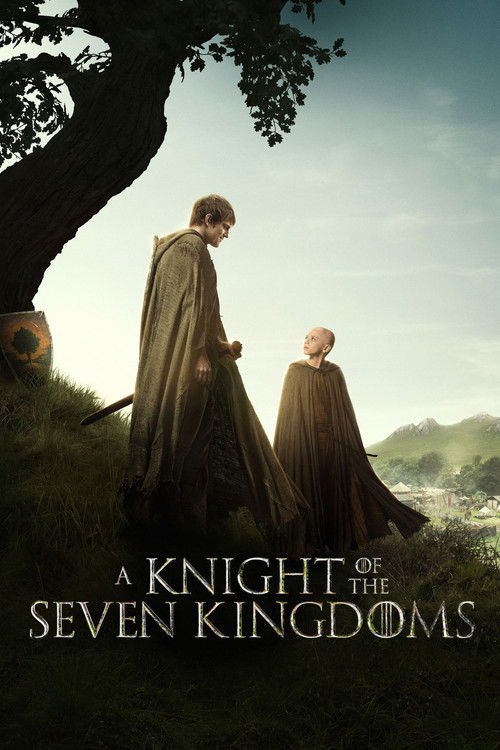 A Knight of the Seven Kingdoms
(2025)
A Knight of the Seven Kingdoms
(2025)
Prequel to Game of Thrones set a century earlier. Hedge knights, Targaryen politics, and the Westeros political landscape before the events of the main series.