Reading
Books I recommend, and what I want to read next.
Philosophy
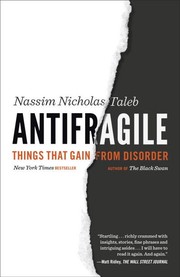
Antifragile by Nassim Nicholas Taleb
Some systems benefit from volatility and disorder rather than merely surviving them. The distinction between fragile, robust, and antifragile has been more useful to me than any formal risk framework.
The Discourses by Epictetus
A practical manual for distinguishing what is within our control from what is not. Less about suppressing emotion than directing attention where it can actually matter.
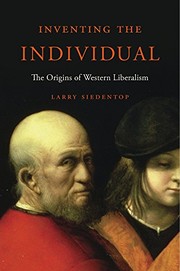
Inventing the Individual by Larry Siedentop
A history of how Western individualism emerged from Christian thought over centuries. Essential context for thinking about consciousness, selfhood, and the historical construction of the individual.
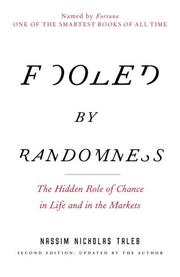
Fooled by Randomness by Nassim Nicholas Taleb
My biggest recommendation to crypto founders. Taleb shows how we systematically confuse luck with skill, especially in domains with high randomness. Essential for anyone operating in markets where survivorship bias distorts our understanding of what actually works.
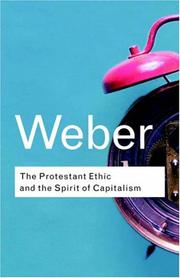
The Protestant Ethic and the Spirit of Capitalism by Max Weber
Essential for understanding recent crypto Twitter debates and the cultural foundations of modern capitalism. Weber traces how religious ideas shaped economic behavior, creating a framework that still influences how we think about work, wealth, and moral obligation.
Science & Mathematics
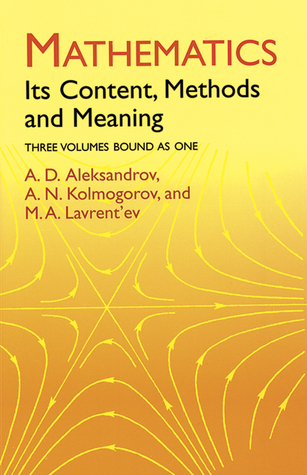
Mathematics: Its Content, Methods and Meaning by A.D. Aleksandrov, A.N. Kolmogorov, and M.A. Lavrent'ev
My favorite book for explaining the beauty and utility of mathematics. Written by three Soviet mathematicians, it offers a panoramic view of the major fields without sacrificing depth. For founders, mathematical thinking provides a strategic advantage that compounds over time.
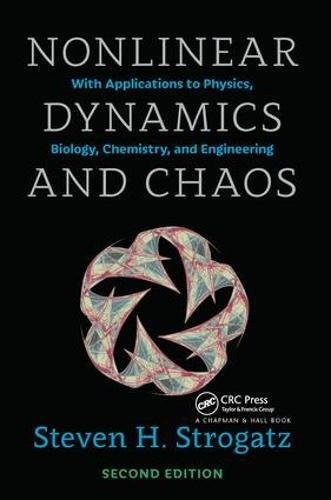
Nonlinear Dynamics and Chaos by Steven Strogatz
The best introduction to chaos theory and dynamical systems. Strogatz makes complex mathematical concepts accessible through intuition and examples drawn from physics, biology, and engineering. Understanding nonlinear dynamics changes how you see feedback loops, tipping points, and emergent behavior in any complex system.
The Feynman Lectures on Physics by Richard Feynman, Robert B. Leighton, and Matthew Sands
The best introduction to understanding the fundamental laws governing the physical world. Feynman had a gift for making complex ideas accessible without dumbing them down. Reading these lectures fosters both healthy skepticism and justified certainty about how things actually work.

An Introduction to Information Theory by John R. Pierce
A clear introduction to Shannon's information theory without requiring advanced mathematics. Pierce explains entropy, channel capacity, and coding with remarkable clarity. Understanding information theory is fundamental for anyone working with data, communication systems, or trying to grasp the mathematical limits of what can be transmitted or compressed.
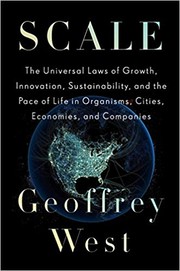
Scale by Geoffrey West
Uncovers universal laws governing biology, cities, and economies. West shows how the same mathematical patterns appear across vastly different systems, from metabolic rates in organisms to innovation in cities. Understanding these scaling laws is crucial for navigating a changing world.
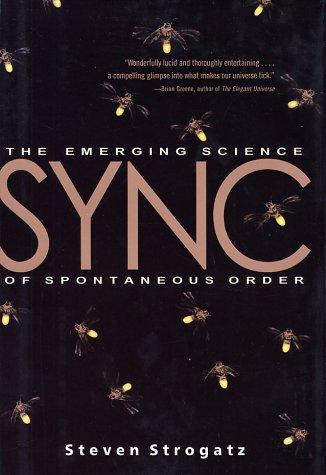
Sync by Steven Strogatz
An exploration of how spontaneous order emerges from chaos. Strogatz examines synchronization across nature: fireflies flashing in unison, cardiac pacemaker cells, circadian rhythms, and even the wobble of the Millennium Bridge. The patterns reveal deep mathematical principles governing self-organization in complex systems.
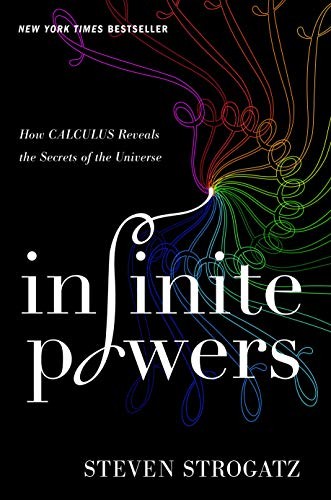
Infinite Powers by Steven Strogatz
A captivating history of calculus and why it matters. Strogatz shows how the language of infinity has shaped our understanding of everything from planetary motion to GPS satellites. The book reveals calculus not as abstract manipulation but as humanity's most powerful tool for decoding the universe.
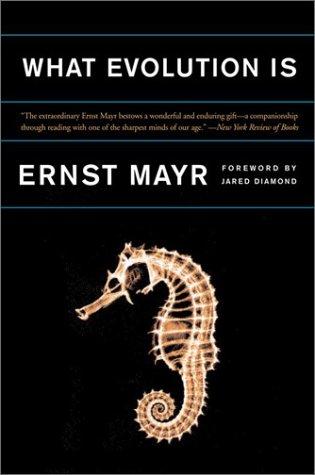
What Evolution Is by Ernst Mayr
A definitive explanation of evolutionary biology from one of its greatest practitioners. Mayr distills a lifetime of work into a clear account of how evolution operates, addressing common misconceptions along the way. Essential for understanding the process that shaped all life on Earth.
Engineering
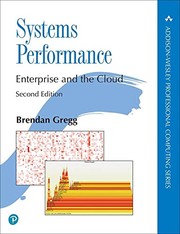
Systems Performance: Enterprise and the Cloud by Brendan Gregg
A must-read for engineers deploying production code. Gregg covers performance analysis methodology, tools, and techniques at every layer of the stack. This book will change how you think about observability, bottlenecks, and system behavior under load.
Economics & Money
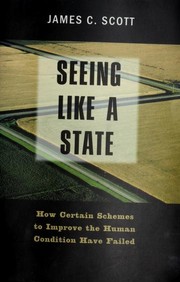
Seeing Like a State by James C. Scott
How large-scale schemes to improve the human condition fail when they ignore local knowledge and complexity. The concept of legibility, making society readable to administrators, explains many pathologies of modern institutions.
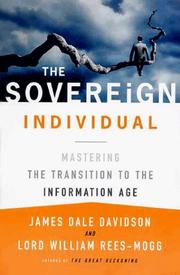
The Sovereign Individual by James Dale Davidson and William Rees-Mogg
Written in 1997, this book predicted much of what the internet would do to the relationship between individuals and states. Its framework for understanding how technology shifts power remains remarkably useful for analyzing current dynamics.
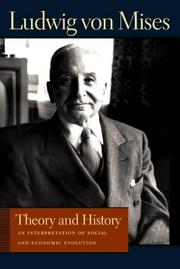
The Use of Knowledge in Society by F.A. Hayek
A short essay that explains why decentralized coordination through prices often outperforms central planning. The argument is about information: knowledge is dispersed across millions of minds and cannot be aggregated into a single plan without losing most of what makes it valuable.
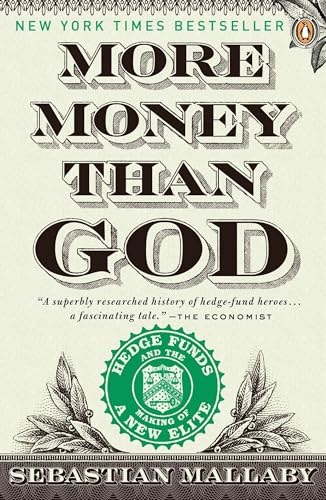
More Money Than God by Sebastian Mallaby
The definitive history of hedge funds, from Alfred Winslow Jones's original market-neutral fund through the quant revolution and the 2008 crisis. Mallaby shows how hedge funds pioneered risk management techniques, exploited market inefficiencies, and shaped modern finance — while repeatedly blowing up in spectacular fashion.
Broken Money by Lyn Alden
A clear explanation of how money systems have become dysfunctional and what potential fixes exist. Alden combines engineering precision with financial depth to analyze monetary systems from first principles.
The Last Economy by Emad Mostaque
A guide to understanding how AI will fundamentally transform economics. Mostaque argues that we are entering a new era where traditional economic models break down as intelligent systems reshape production, labor, and value creation. Essential reading for anyone trying to understand the economic implications of artificial intelligence.
Principles for Changing World Order by Ray Dalio
A study of the rise and decline of reserve currencies and the empires behind them. Dalio examines cycles spanning centuries to identify patterns that might indicate where we are in the current cycle. Especially relevant during pivotal societal moments.
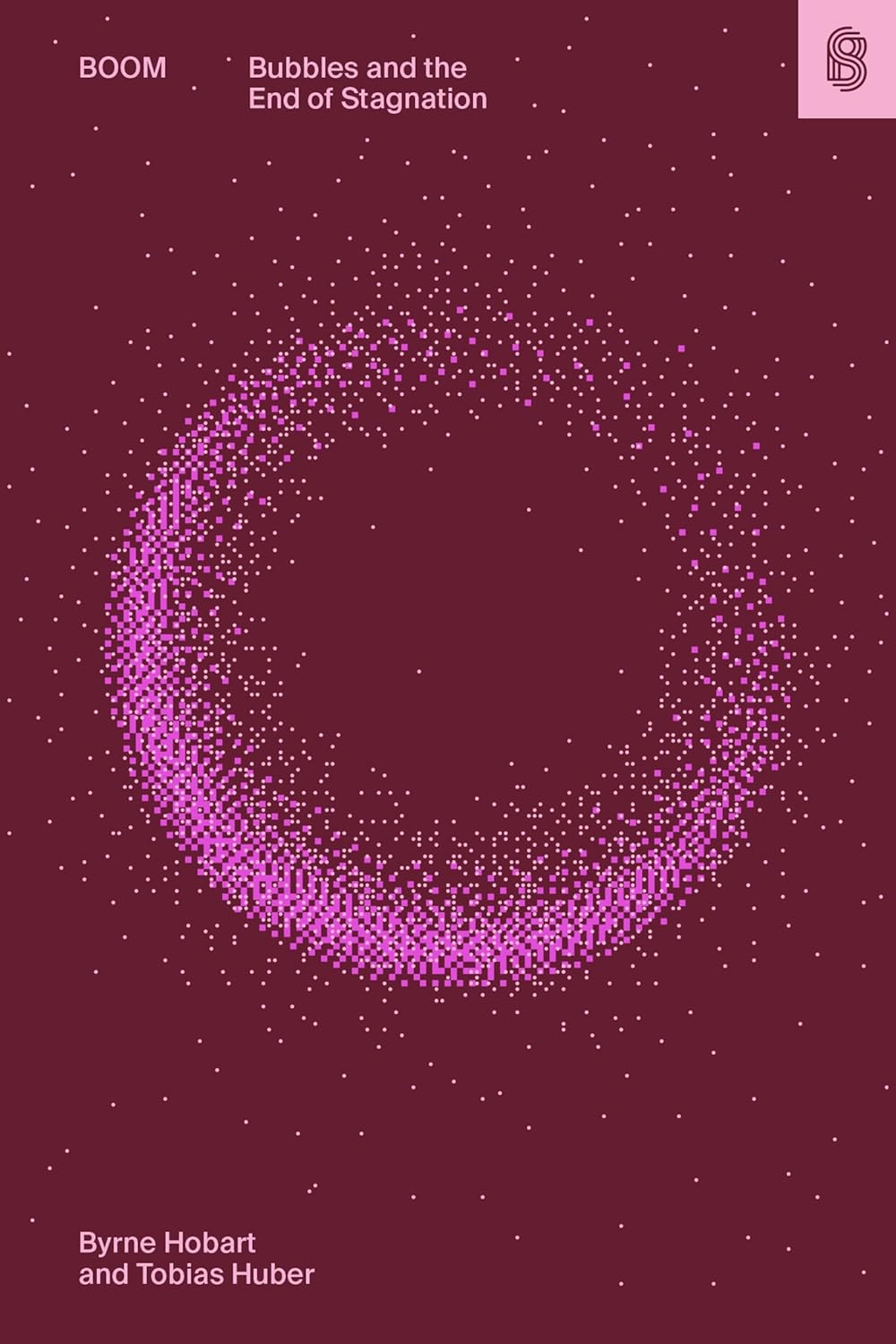
Bubbles and the End of Stagnation by Byrne Hobart and Tobias Huber
A fresh perspective on financial bubbles as engines of progress rather than purely destructive forces. The Bitcoin chapter is particularly insightful for understanding how speculative energy can drive technological adoption.
History
The Age of Revolution, The Age of Capital, and The Age of Empire by Eric Hobsbawm
A trilogy covering 1789-1914 that provides the historical framework to understand how the modern world took shape. Hobsbawm traces how the dual revolutions (French and Industrial) transformed everything from politics to daily life. Essential context for understanding current changes.
Business & Strategy
Working Backwards by Colin Bryar and Bill Carr
The most important book for the Ethereum community and anyone building products. Former Amazon executives explain the internal mechanisms that allowed Amazon to innovate consistently, including the famous six-page memo and working backwards from the customer.
Only the Paranoid Survive by Andrew S. Grove
Grove's framework for detecting strategic inflection points, moments when the fundamentals of a business change. Learning to recognize these transitions early is essential for building organizations that survive and adapt over time.
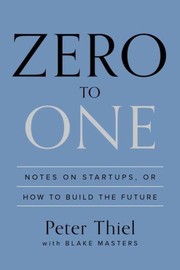
Zero to One by Peter Thiel
The counterintuitive idea that competition is for losers. Thiel argues that the most valuable companies create something entirely new rather than competing in existing markets. Building a monopoly through uniqueness is more sustainable than fighting for market share.
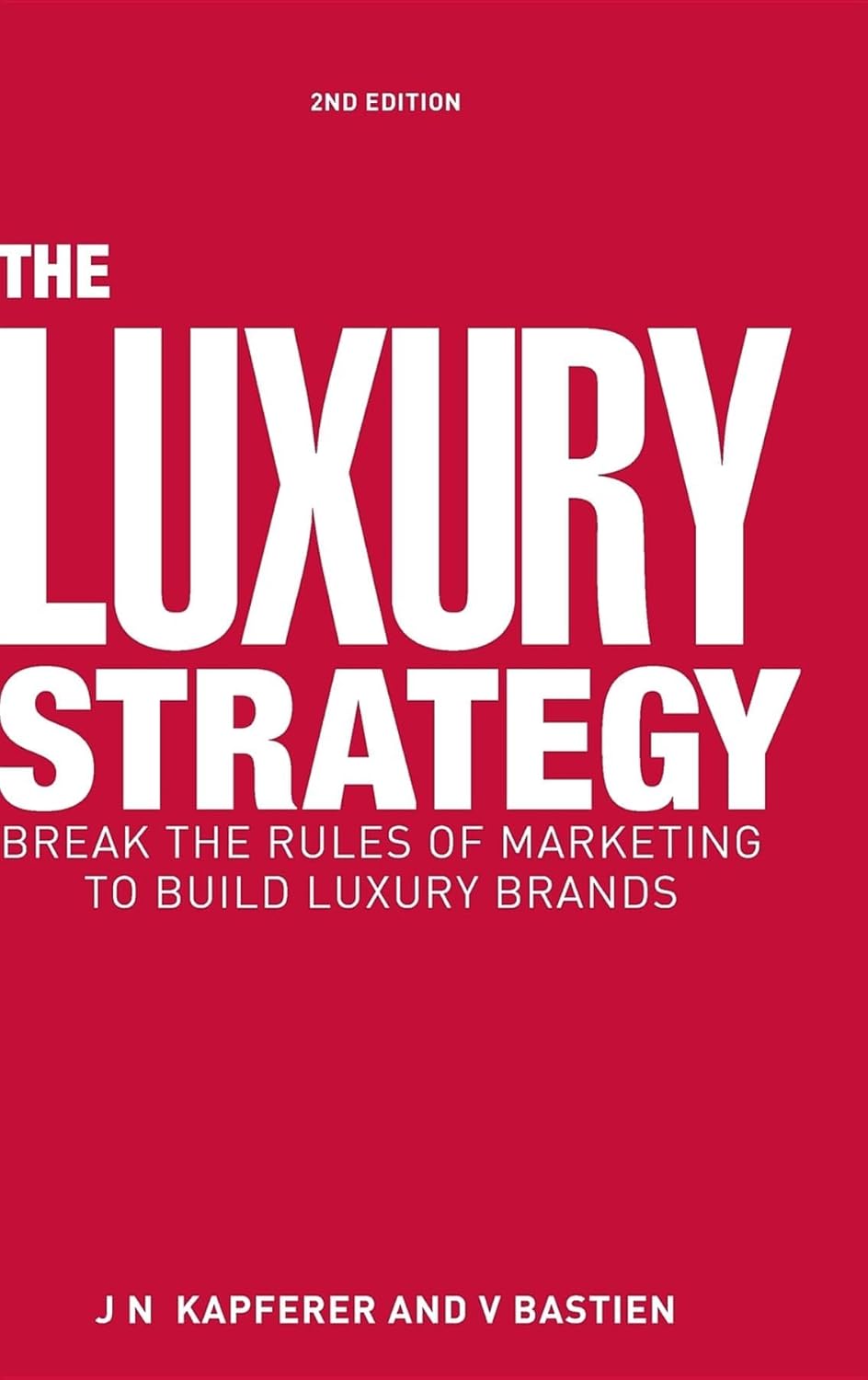
The Luxury Strategy by Jean-Noël Kapferer and Vincent Bastien
An amazing book on the difference between premium and luxury. The authors argue that luxury brands follow different rules than traditional marketing, anti-laws that seem counterintuitive but explain why certain brands maintain their power across generations.
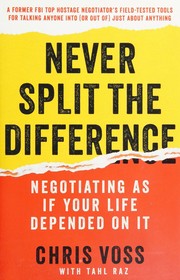
Never Split the Difference by Chris Voss
Negotiation as a fundamental human skill, not just a business tactic. Voss, a former FBI hostage negotiator, shows that negotiation principles apply to nearly all human interactions. The techniques here are immediately practical.