Anime & Animation
Anime and animation I recommend, and what I want to watch next.
Anime
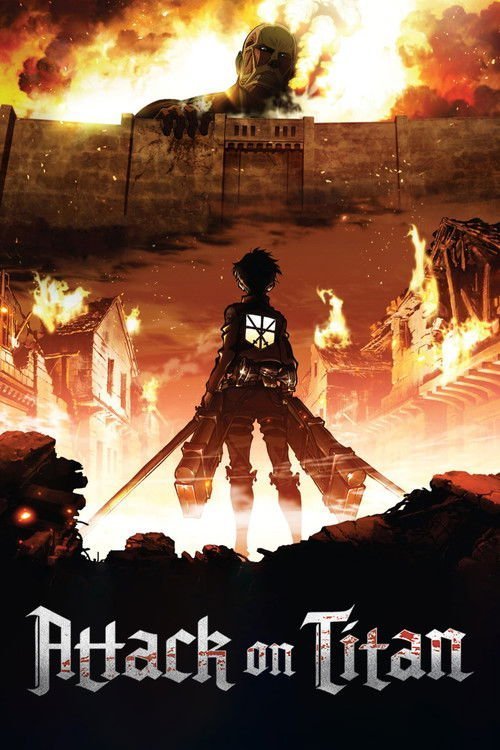 Attack on Titan
The best exploration of freedom, sovereignty, and the price of survival I have seen in any medium. The political arcs in the final seasons are more honest about power than most prestige drama.
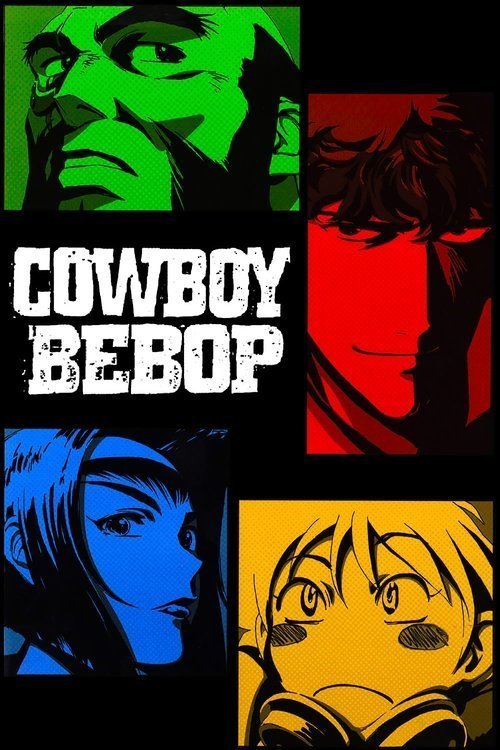 Cowboy Bebop
Style as substance. Every episode is a meditation on being unable to escape the past, wrapped in jazz and noir. The ending is perfect.
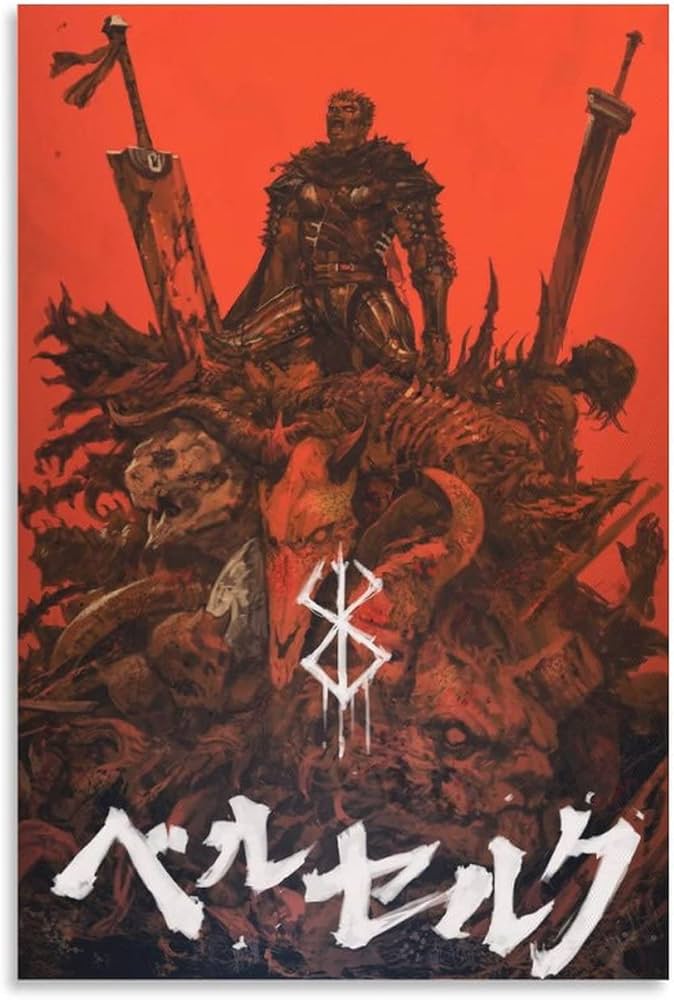 Berserk
Ambition, betrayal, and what it costs to impose your will on the world. The Golden Age arc is one of the great tragic narratives in fiction.
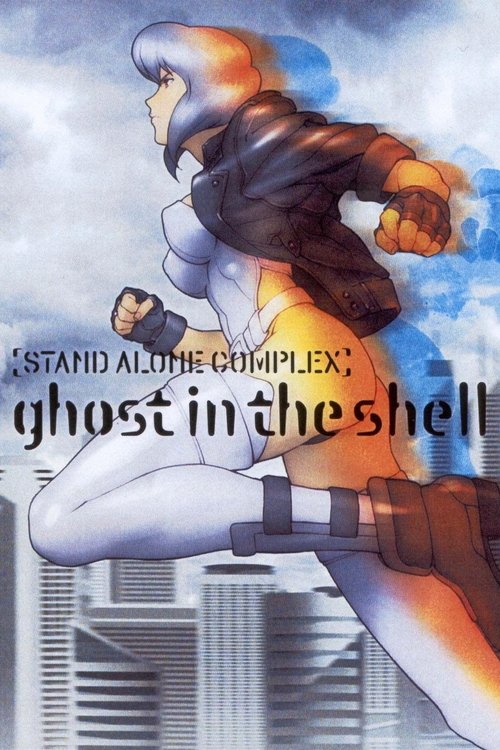 Ghost in the Shell: Stand Alone Complex
The film asked the philosophical questions. SAC builds the world where those questions have policy implications. The Laughing Man arc is one of the best treatments of information warfare in fiction.
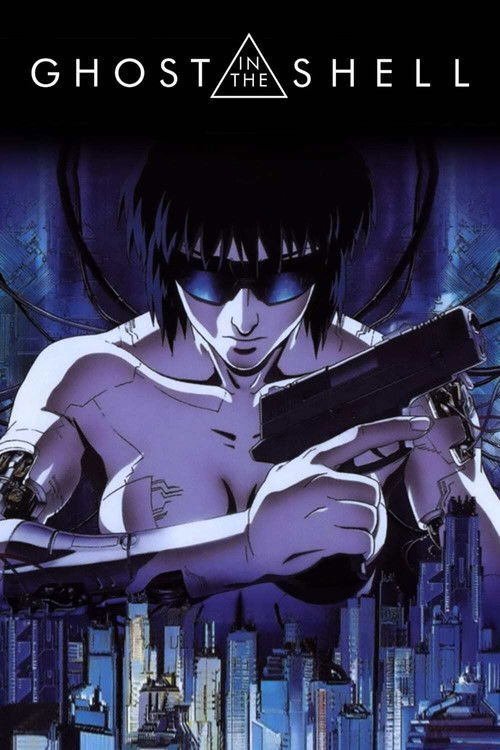 Ghost in the Shell
The original questions about consciousness and identity in a networked world. Still more philosophically serious than most AI discourse today.
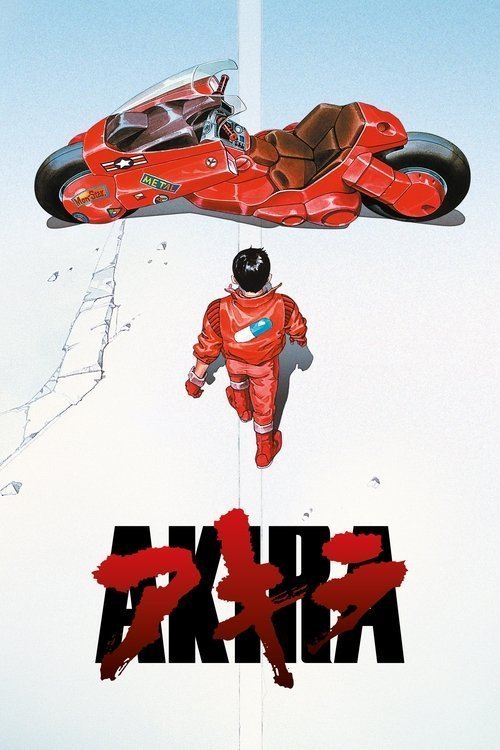 Akira
Akira
Power without institutions to contain it. Visually unmatched four decades later. The animation alone changed what the medium could be.
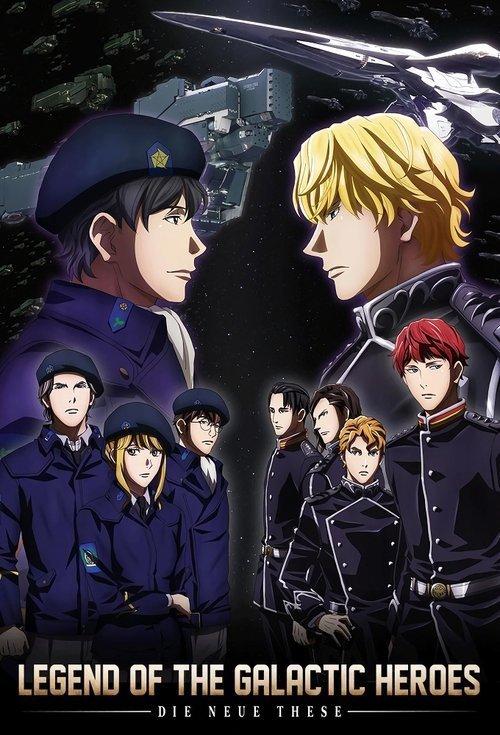 Legend of the Galactic Heroes: Die Neue These
Democracy versus autocracy argued honestly, with neither side caricatured. Closer to Thucydides than to space opera.
Animation
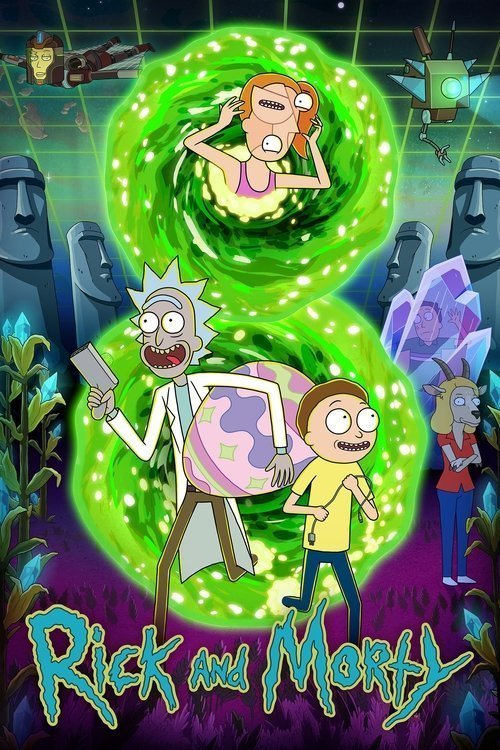 Rick and Morty
Nihilism played for laughs until it stops being funny. The best episodes land because they take the consequences of infinite possibility seriously.
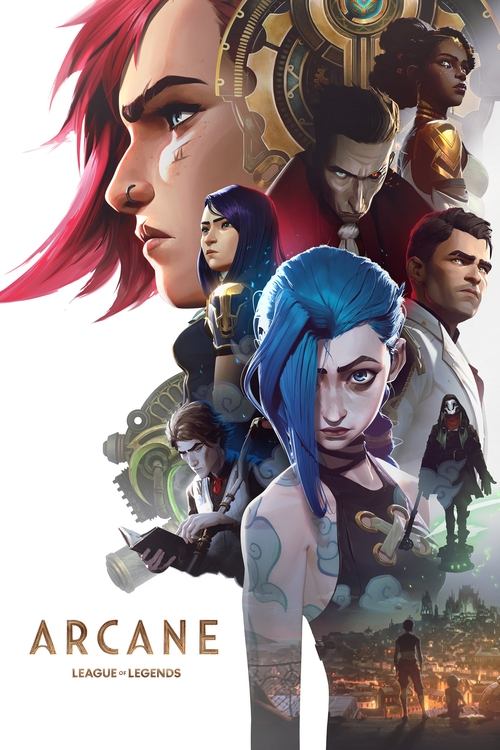 Arcane
Class conflict, institutional failure, and what happens when the people with nothing to lose get access to power. The animation sets a new standard.
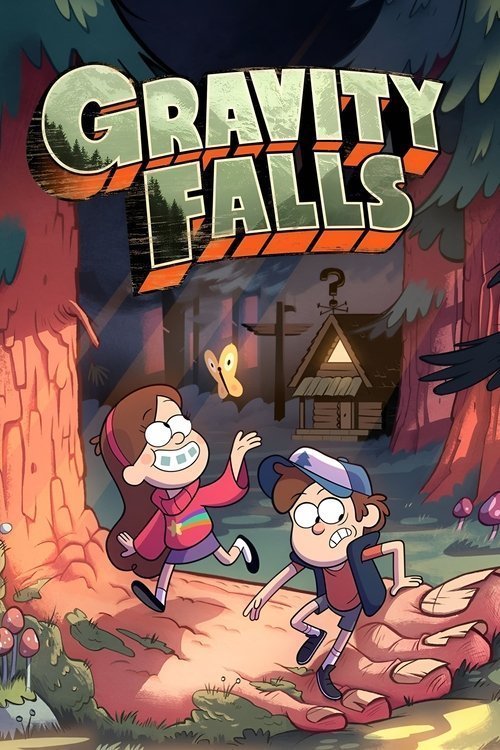 Gravity Falls
Deceptively smart. Mystery, conspiracy, and genuine emotional weight hidden inside a children's show. Knew exactly when to end.
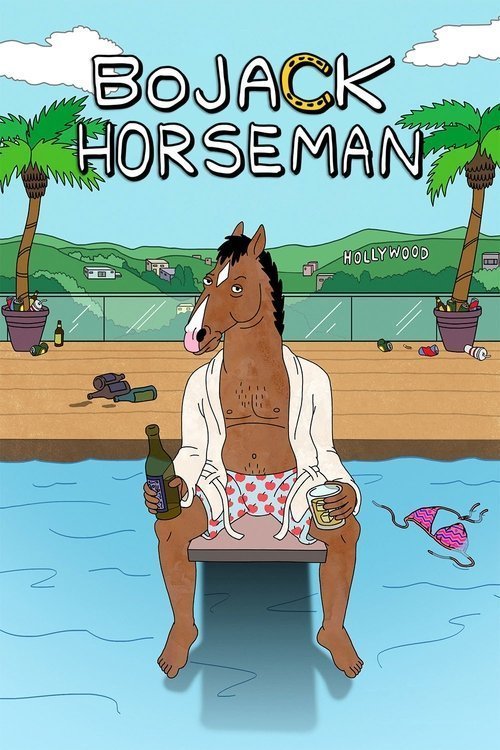 BoJack Horseman
The most honest show about self-destruction I have seen. It refuses to let its protagonist off the hook, which is rare and necessary.
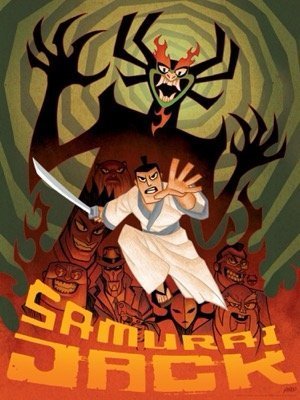 Samurai Jack
Pure visual storytelling. Entire episodes with almost no dialogue that work better than most scripts. Patience as aesthetic principle.
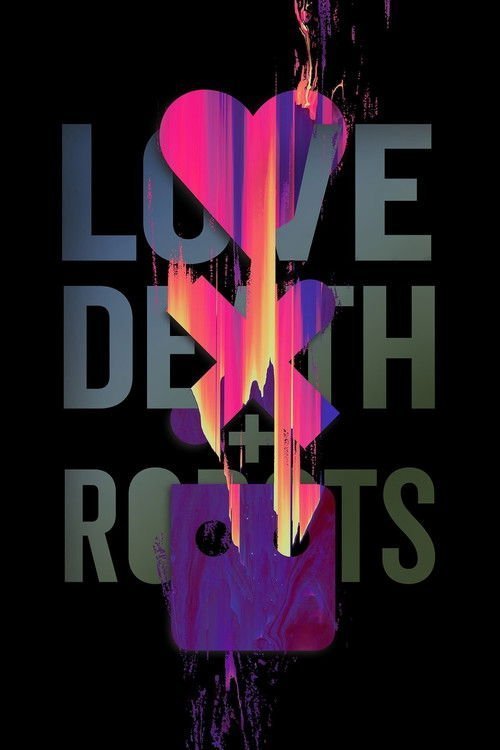 Love, Death & Robots
Short-form science fiction that takes animation seriously as a medium. Beyond the Aquila Rift and Zima Blue do more in fifteen minutes than most feature films.
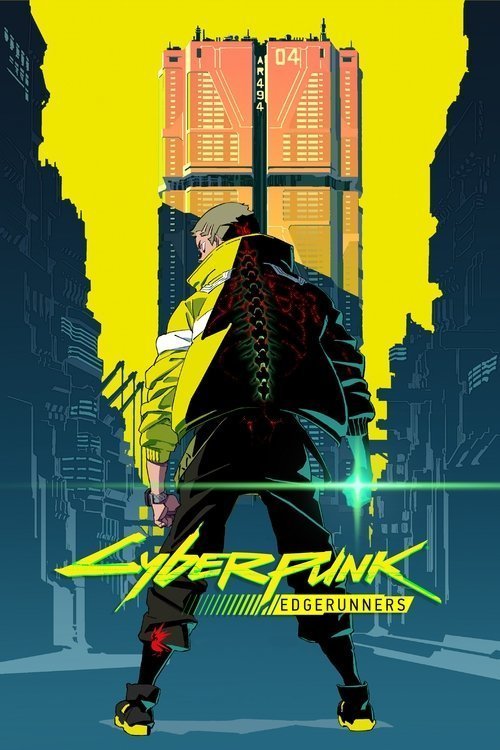 Cyberpunk: Edgerunners
What happens when a system is designed to grind people down and someone decides not to comply. Studio Trigger at their most kinetic.
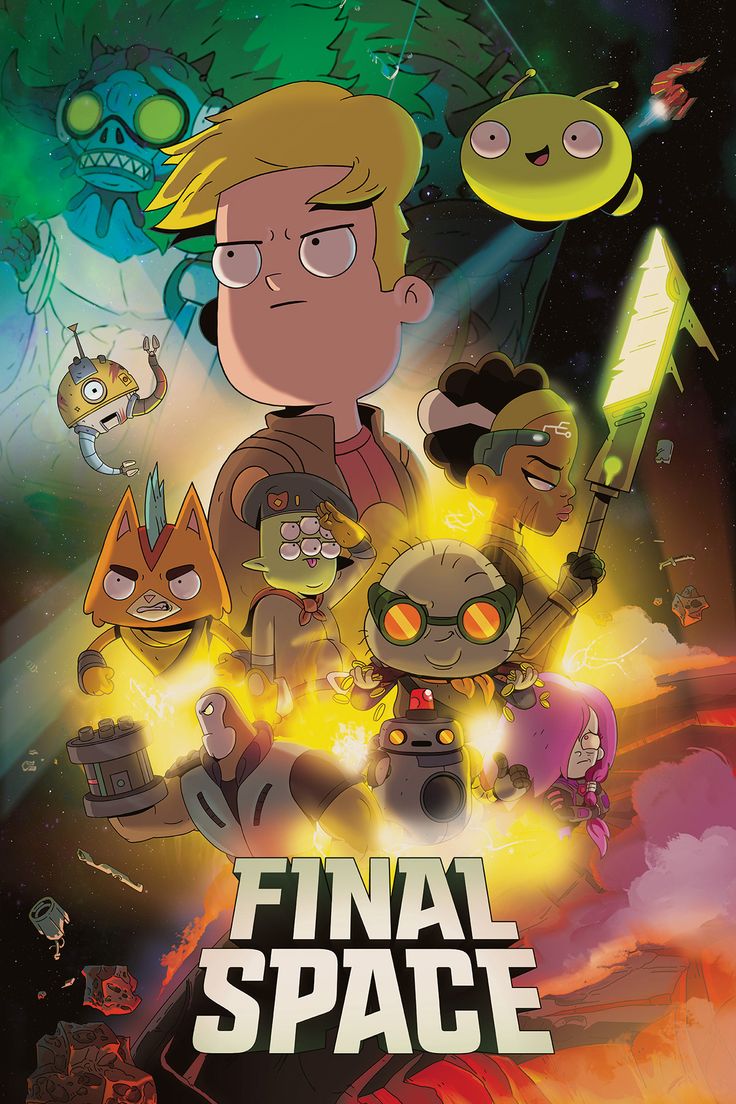 Final Space
Starts as absurd comedy and quietly becomes one of the most emotionally committed animated shows. The tonal shift works because it was always there.
 Daria
Daria
Deadpan intelligence against a world that rewards conformity. Still relevant decades later, which says something about the world.
Want to Watch
Anime
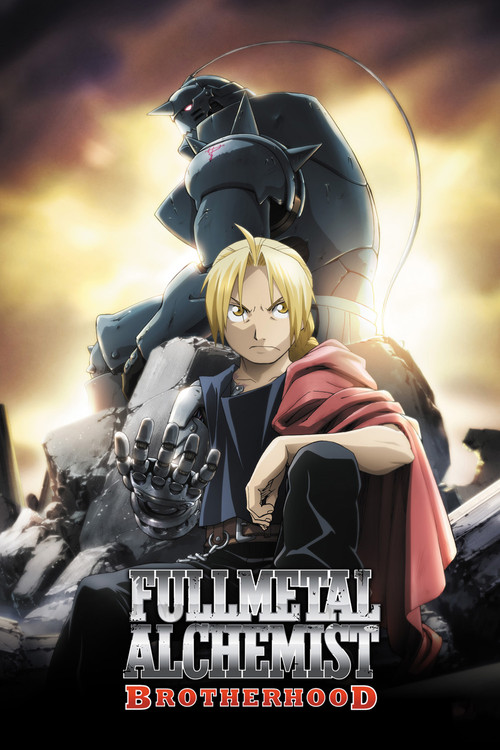 Fullmetal Alchemist: Brotherhood
(2009)
Fullmetal Alchemist: Brotherhood
(2009)
Alchemy as metaphor for equivalent exchange. Two brothers trying to undo a mistake learn that every system has a price, and the price is never what you expect.
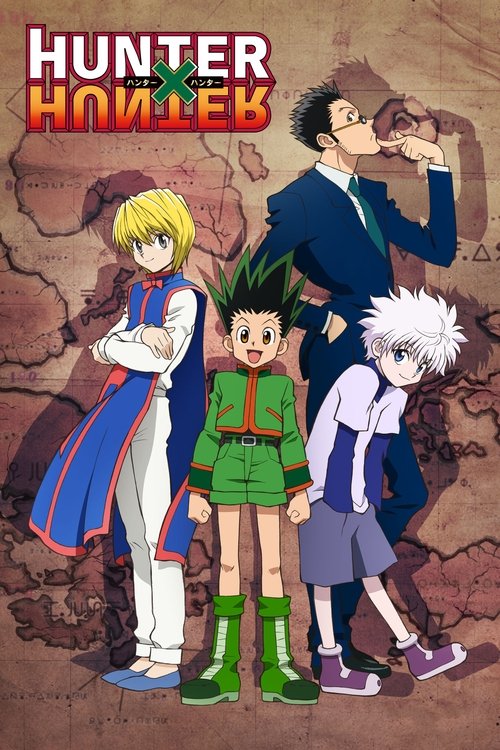 Hunter x Hunter
(2011)
Hunter x Hunter
(2011)
Starts as adventure, becomes a meditation on power systems and what happens when the rules of a world are taken to their logical extremes. The Chimera Ant arc is one of the best arcs in any medium.
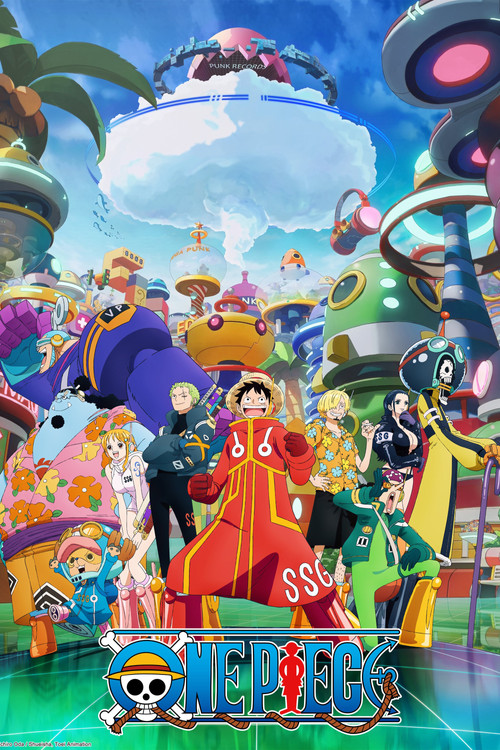 One Piece
(1999)
One Piece
(1999)
Freedom, institutional corruption, and the world government as antagonist. Over 1000 episodes. Irrecommendable by length, undeniable by ambition.
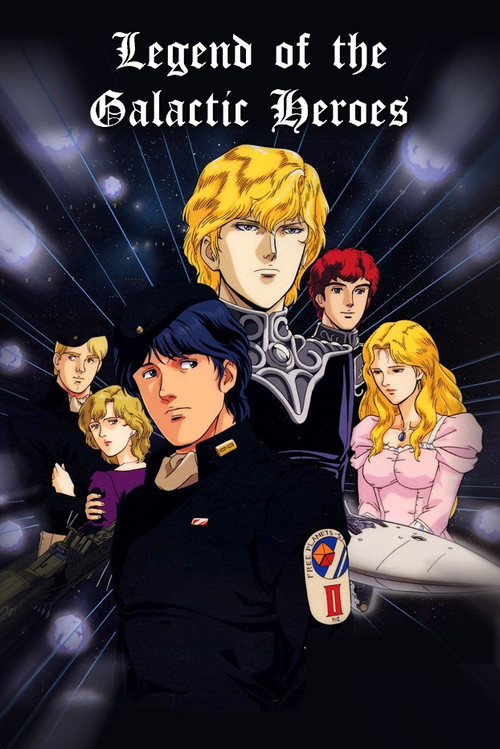 Legend of the Galactic Heroes
(1988)
Legend of the Galactic Heroes
(1988)
The original 110-episode OVA. Democracy versus autocracy across a galactic war, with neither side caricatured. Political philosophy as space opera.
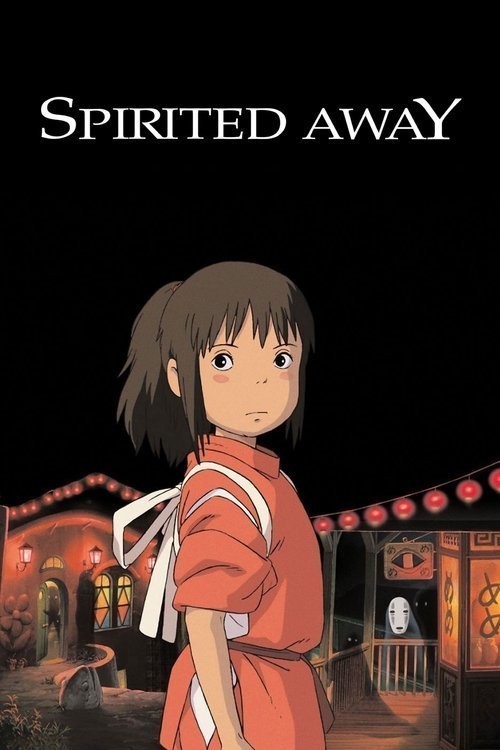 Spirited Away
(2001)
Spirited Away
(2001)
Miyazaki's masterpiece. A child navigating an alien economy where identity is literally taken from you if you forget who you are. Capitalism as spirit world.
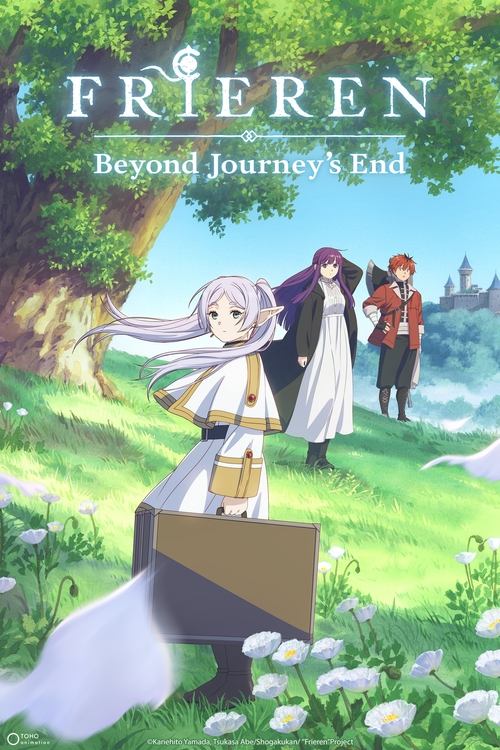 Frieren: Beyond Journey's End
(2023)
Frieren: Beyond Journey's End
(2023)
An elf who outlives everyone she knows, learning too late what human connection meant. Time, memory, and the difference between measured years and lived ones.
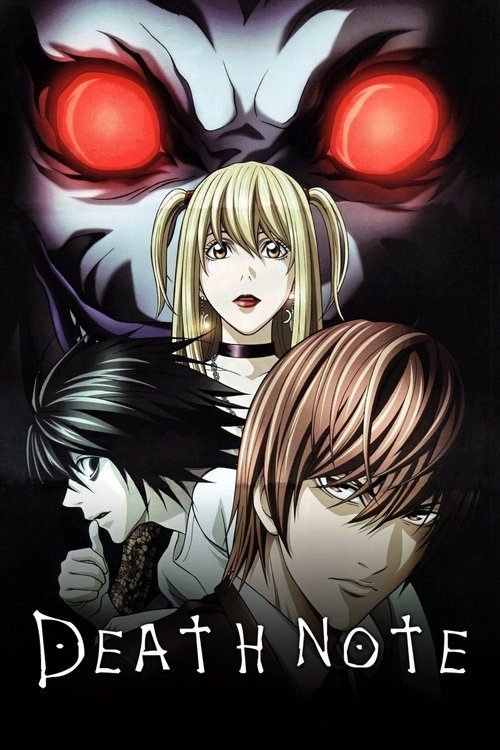 Death Note
(2006)
Death Note
(2006)
What happens when one person gets absolute power to enforce their moral vision. A cat-and-mouse game that is really about whether justice can exist outside institutions.
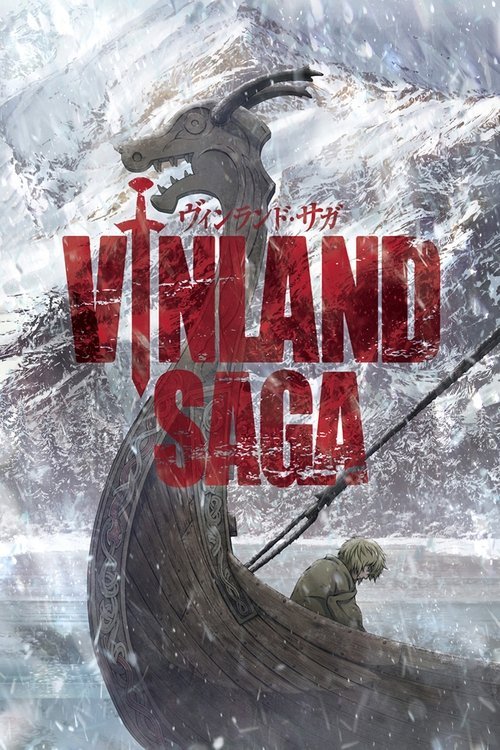 Vinland Saga
(2019)
Vinland Saga
(2019)
Ambition, violence, and the question of whether a person built by war can choose peace. Thematically close to Berserk but with a redemption arc.
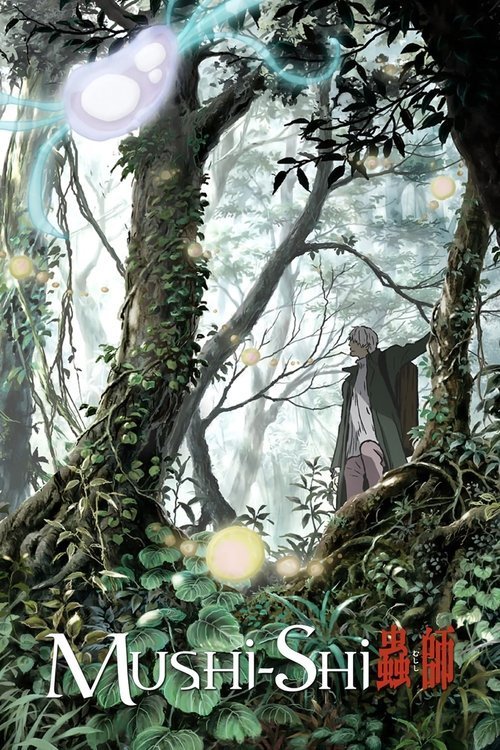 Mushishi
(2005)
Mushishi
(2005)
Contemplative, episodic, and patient. A wandering specialist studies organisms that exist beyond human understanding. About accepting what cannot be controlled.
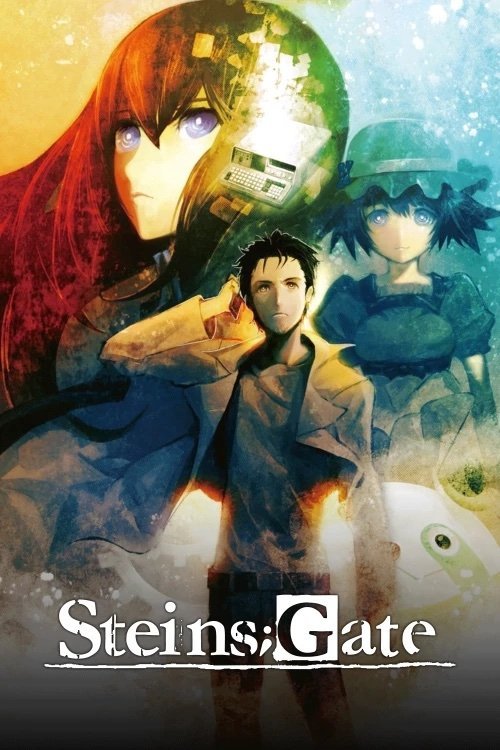 Steins;Gate
(2011)
Steins;Gate
(2011)
Time, causality, and irreversible consequences. The protagonist learns that you cannot engineer outcomes without destroying something. Connects to ergodic thinking.
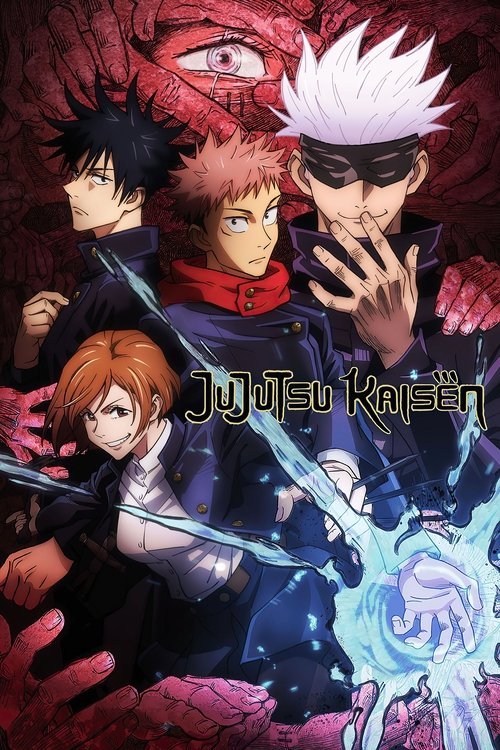 Jujutsu Kaisen
(2020)
Jujutsu Kaisen
(2020)
Cursed energy, sorcerers, and institutional politics within the jujutsu world. The power system is inventive and the fight choreography is among the best in modern anime. MAPPA at full capacity.
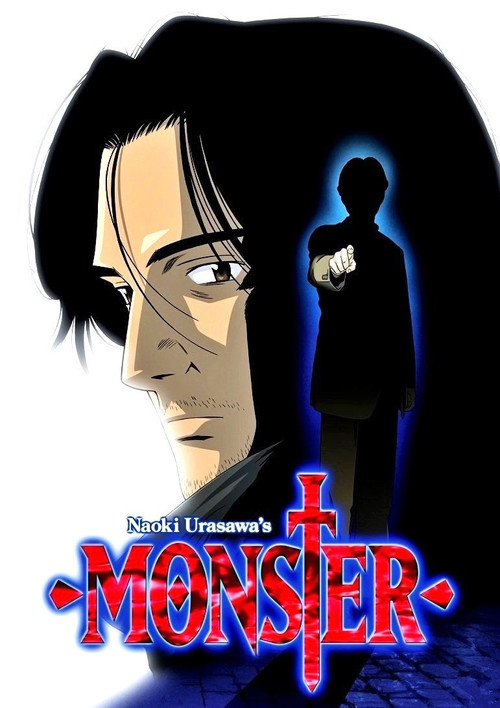 Monster
(2004)
Monster
(2004)
A doctor chasing a serial killer across post-reunification Europe. Institutional corruption, moral responsibility, and the question of whether evil is systemic or individual.
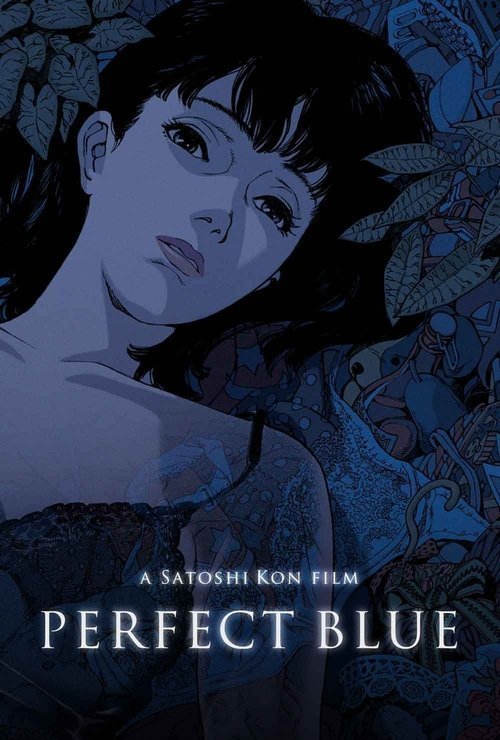 Perfect Blue
(1997)
Perfect Blue
(1997)
Satoshi Kon on identity fracture. A pop singer turned actress loses the boundary between performance and self. Influenced Black Swan and half of modern psychological horror.
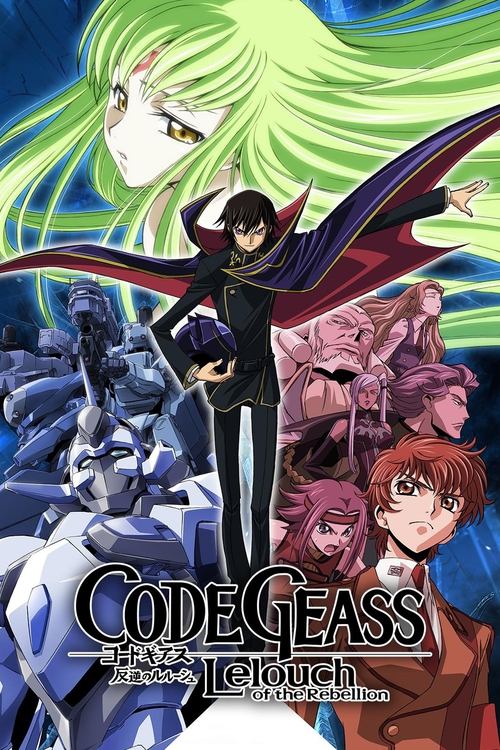 Code Geass
(2006)
Code Geass
(2006)
Political strategy, revolution, and institutional manipulation. A brilliant strategist uses an occupied nation's rebellion as a chess game. Power as performance.
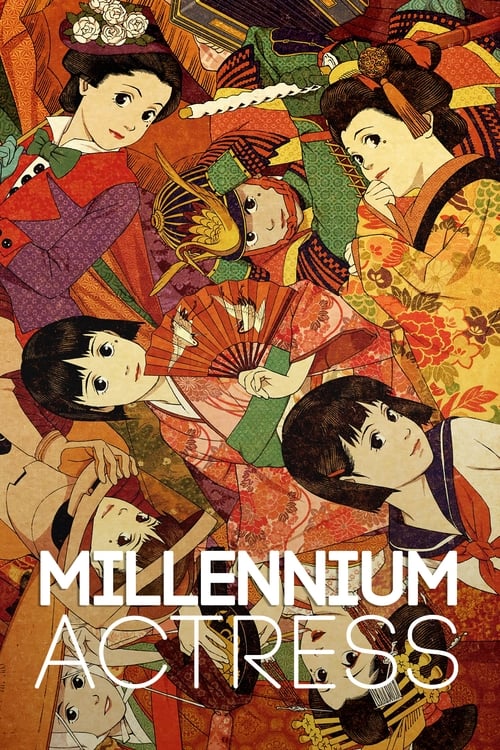 Millennium Actress
(2001)
Millennium Actress
(2001)
Satoshi Kon. Time, memory, and how narrative shapes identity. An actress's life and her film roles blur until the distinction stops mattering.
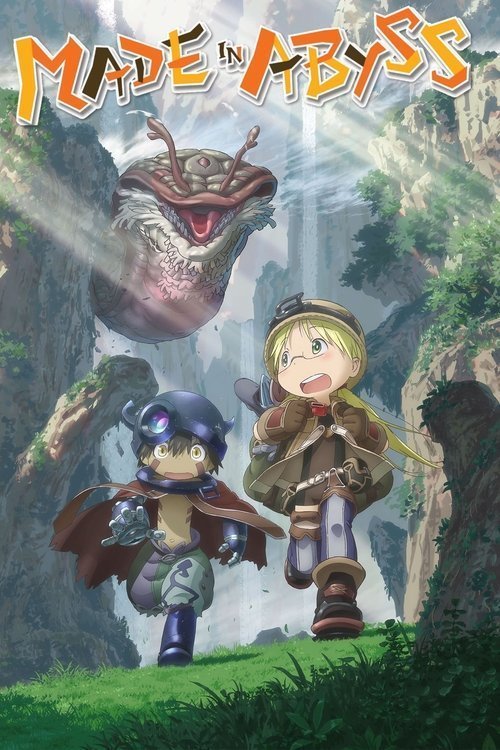 Made in Abyss
(2017)
Made in Abyss
(2017)
The deeper you descend, the higher the cost to return. Irreversible consequences made literal. Deceptively cute art hiding genuinely dark themes about the price of knowledge.
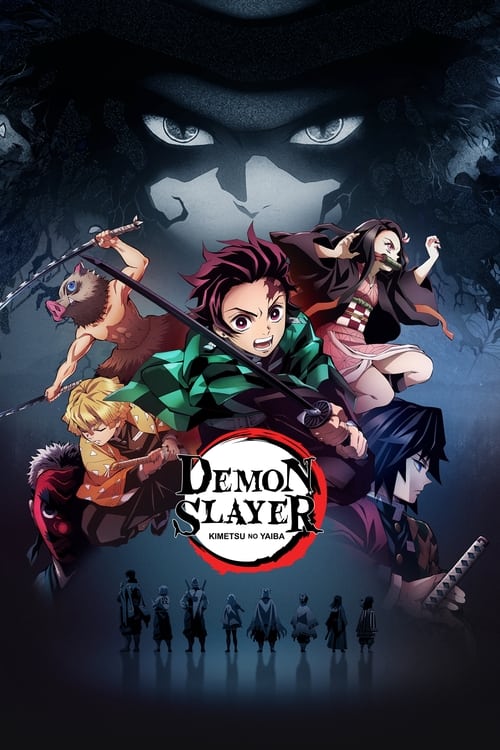 Demon Slayer
(2019)
Demon Slayer
(2019)
A boy becomes a demon slayer after his family is massacred and his sister is turned. Gorgeous animation by Ufotable, but the real draw is the emotional sincerity. Shonen conventions played completely straight and better for it.
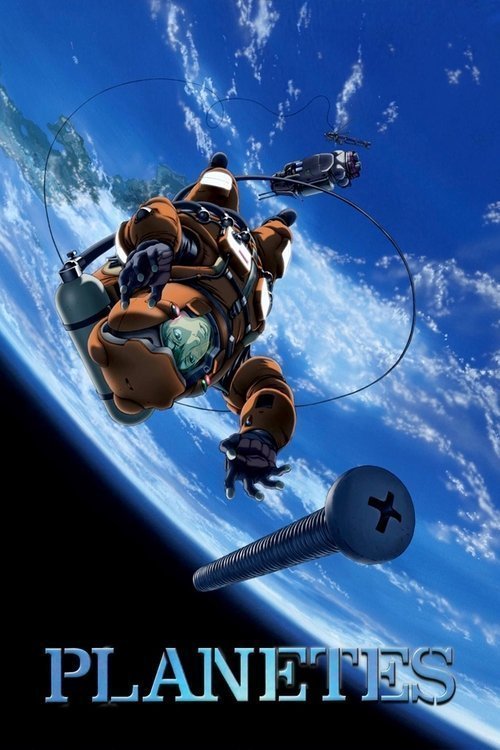 Planetes
(2003)
Planetes
(2003)
Hard sci-fi about orbital debris collectors. Work, class, and institutional neglect of infrastructure. The most LambdaClass anime on any list.
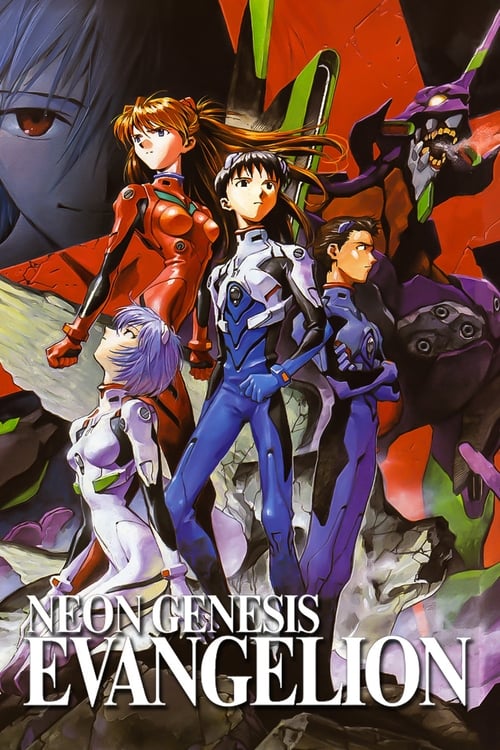 Neon Genesis Evangelion
(1995)
Neon Genesis Evangelion
(1995)
The most influential anime of the last 30 years. Institutional dysfunction, individual psychology, and the impossibility of piloting a machine designed to save humanity when you cannot save yourself.
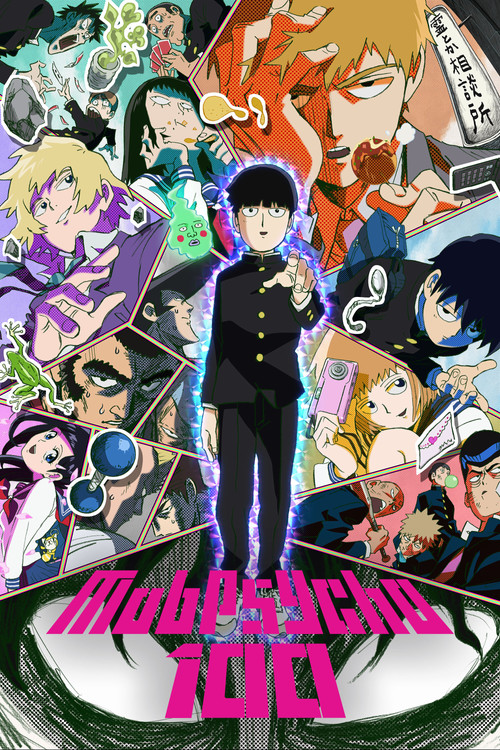 Mob Psycho 100
(2016)
Mob Psycho 100
(2016)
A psychic teenager with unlimited power who just wants to be normal. The argument that power without emotional maturity is meaningless, played for both comedy and genuine depth.
 Samurai Champloo
(2004)
Samurai Champloo
(2004)
Watanabe's follow-up to Bebop. Edo-period Japan remixed with hip-hop. Style, anachronism, and rootlessness.
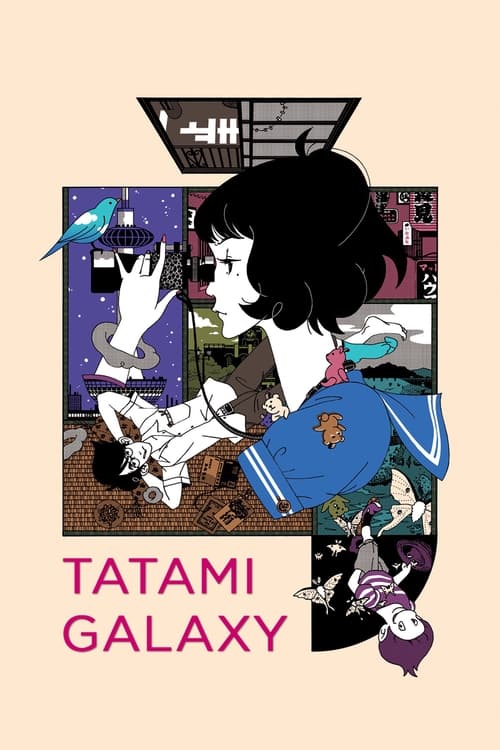 Tatami Galaxy
(2010)
Tatami Galaxy
(2010)
Yuasa. A college student relives his university years choosing different paths each time, learning that the optimal choice does not exist. Connects to ergodic thinking about sample paths.
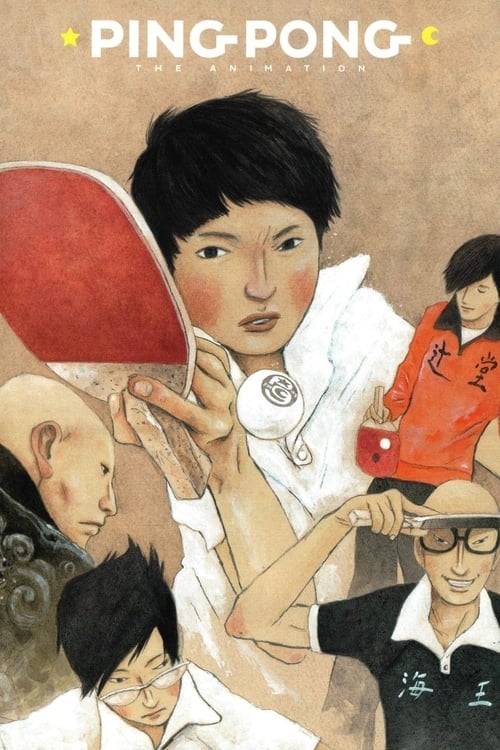 Ping Pong the Animation
(2014)
Ping Pong the Animation
(2014)
Yuasa on talent, effort, and what excellence actually costs. Five players, five philosophies of competition. Visually radical and emotionally precise.
 Nana
(2006)
Nana
(2006)
Brutal and honest about ambition, relationships, and the gap between who you want to be and who you become. Two women with the same name, opposite temperaments.
 Link Click
(2021)
Link Click
(2021)
Chinese anime about two men who can enter photographs and relive the past. Time travel as emotional archaeology. Every decision to change the past creates consequences that ripple forward.
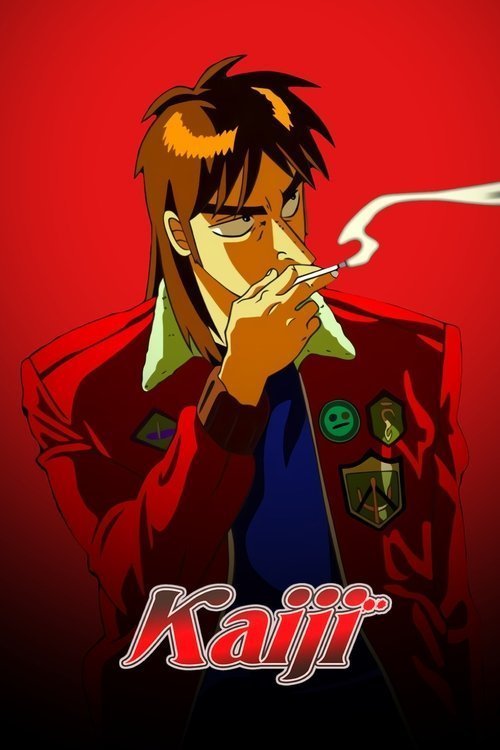 Kaiji: Ultimate Survivor
(2007)
Kaiji: Ultimate Survivor
(2007)
Game theory under existential stakes. A man drowning in debt enters underground gambling games where the system is rigged. Decision-making when survival is the only metric.
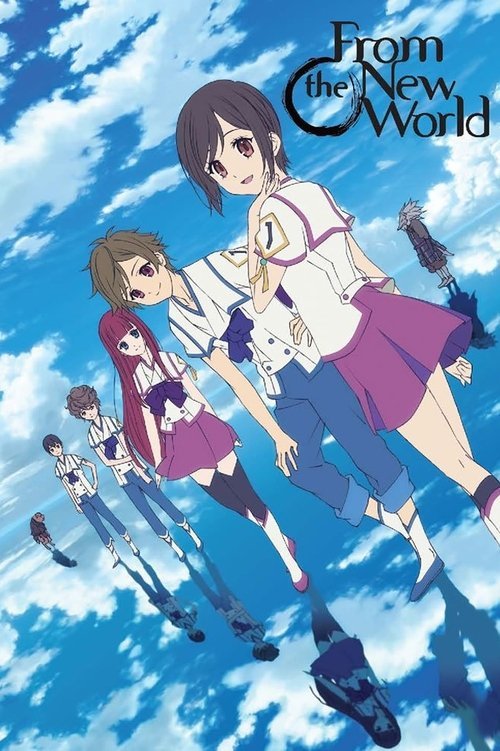 Shinsekai Yori
(2012)
Shinsekai Yori
(2012)
A society built on suppressing dangerous knowledge to maintain stability. What happens when the system that protects you is also what oppresses you. Slow, unsettling, and philosophically serious.
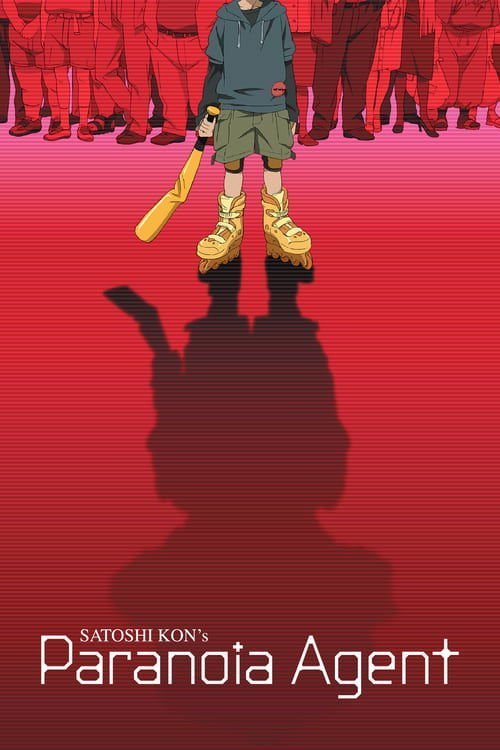 Paranoia Agent
(2004)
Paranoia Agent
(2004)
Satoshi Kon's TV series. Collective delusion, social pressure, and institutional failure in modern Japan. A mysterious attacker that may be a shared hallucination.
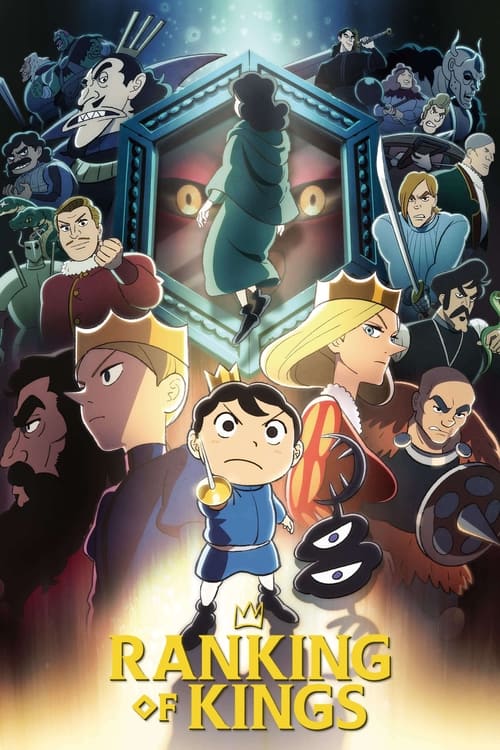 Ranking of Kings
(2021)
Ranking of Kings
(2021)
A deaf, physically weak prince in a world that values strength above all else. Subverts every expectation about power and leadership. Deceptively simple art hiding genuine narrative ambition.
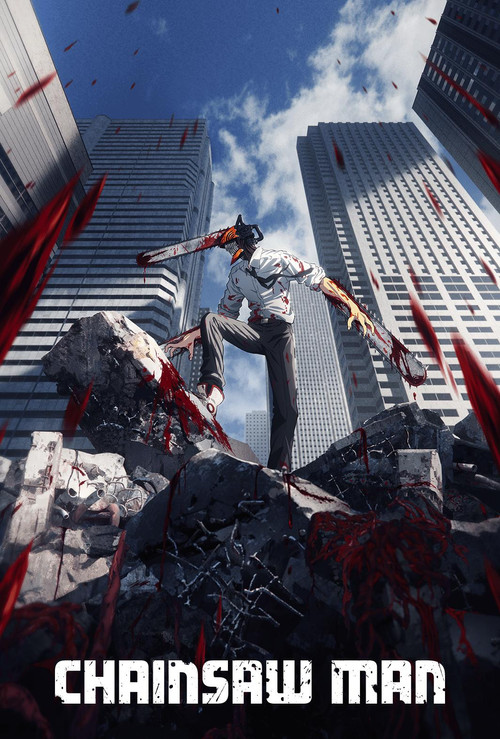 Chainsaw Man
(2022)
Chainsaw Man
(2022)
A teenager merges with a devil and works for a government agency that hunts them. Nihilistic, visceral, and genuinely unpredictable. Subverts every shonen convention.
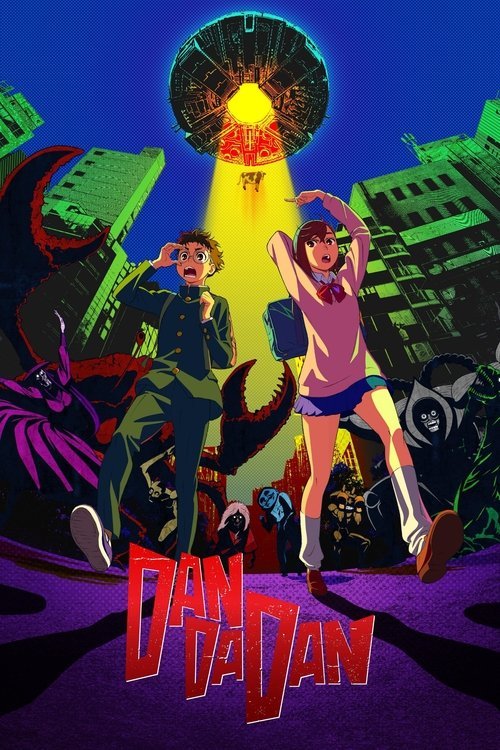 Dandadan
(2024)
Dandadan
(2024)
Aliens, ghosts, and teenagers. Absurdist action with genuine emotional core. The animation quality is extraordinary.
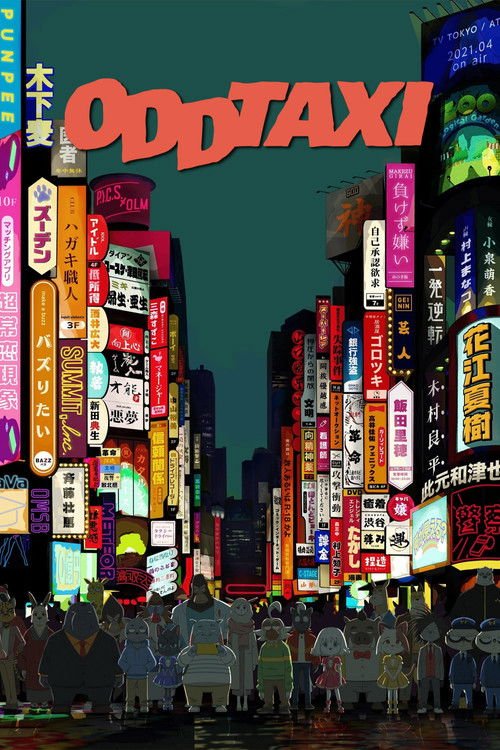 Odd Taxi
(2021)
Odd Taxi
(2021)
A walrus taxi driver gets pulled into a missing persons case. Anthropomorphic animals, interconnected storylines, and a mystery that rewards attention to detail. The most structurally tight anime in years.
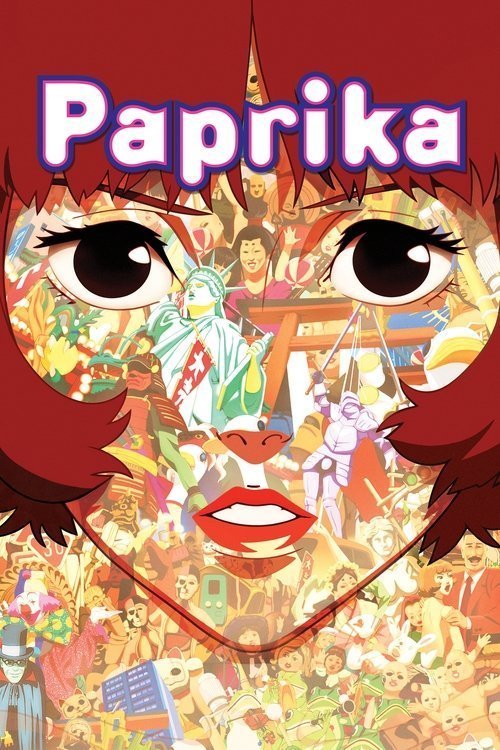 Paprika
(2006)
Paprika
(2006)
Satoshi Kon. A device that lets therapists enter patients' dreams is stolen. Dreams invade reality. Adjacent to Ghost in the Shell from the subconscious side. Influenced Inception directly.
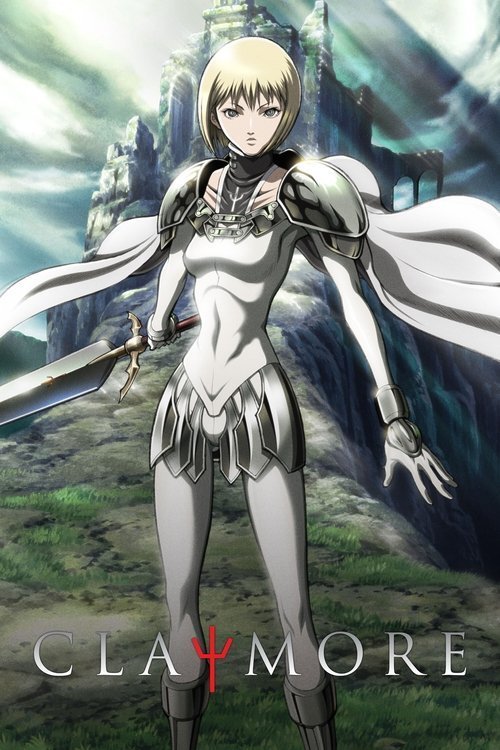 Claymore
(2007)
Claymore
(2007)
Women engineered to fight monsters, slowly becoming what they hunt. Berserk-adjacent in its bleakness. The manga is the complete story; the anime ends mid-arc.
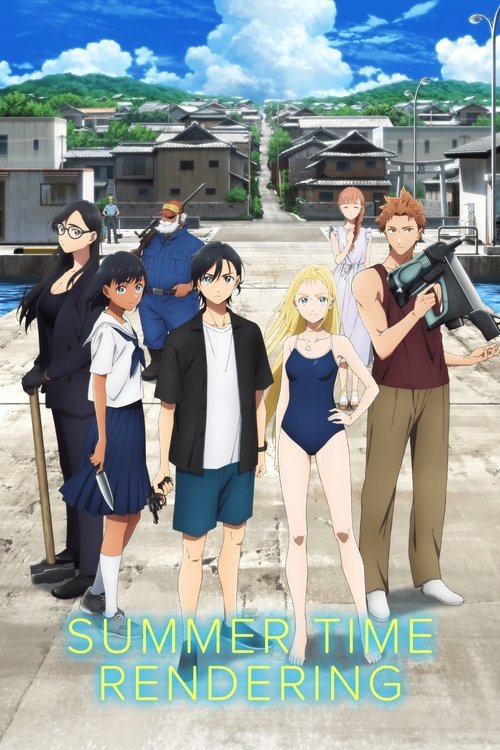 Summer Time Rendering
(2022)
Summer Time Rendering
(2022)
A boy returns to his island hometown for a funeral and discovers something is copying and replacing the residents. Time loops, body horror, and escalating stakes. Tighter than most shows attempting the same premise.
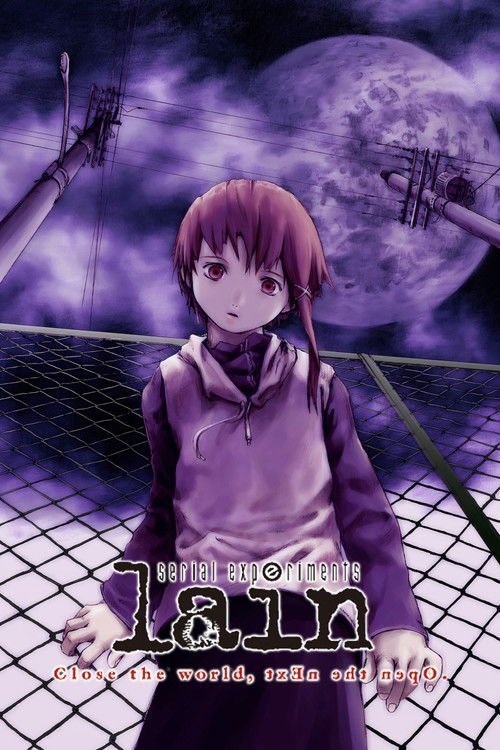 Serial Experiments Lain
(1998)
Serial Experiments Lain
(1998)
Identity dissolving into networks. A girl discovers she exists more fully online than in reality. Adjacent to the Death of the Inner Self essay. Prophetic about the internet's effect on selfhood.
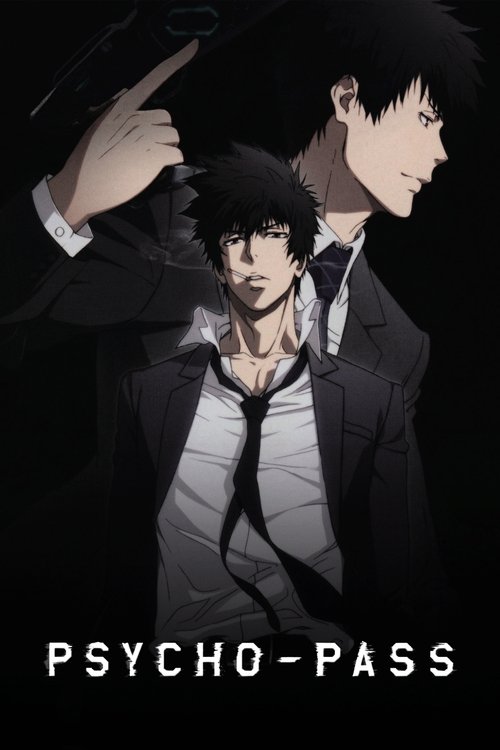 Psycho-Pass
(2012)
Psycho-Pass
(2012)
A society where an AI system judges criminal intent before crimes happen. What happens when the institution designed to maintain order becomes the source of injustice.
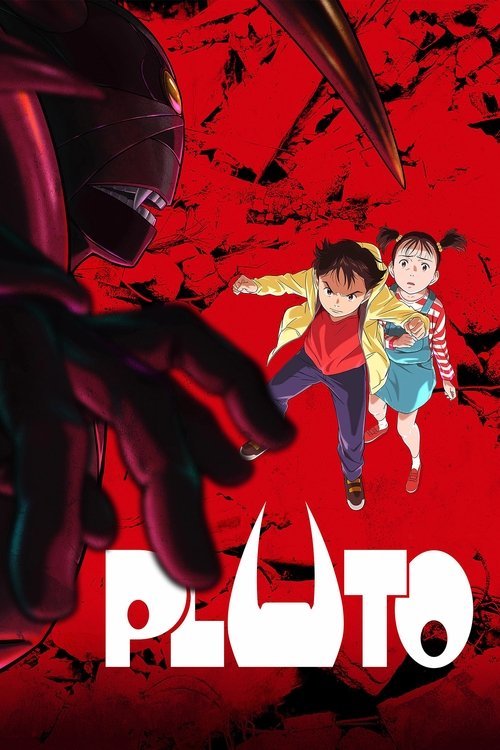 Pluto
(2023)
Pluto
(2023)
Urasawa reimagines an Astro Boy arc as a detective thriller. Robots, war trauma, and the question of whether artificial beings can grieve. From the creator of Monster.
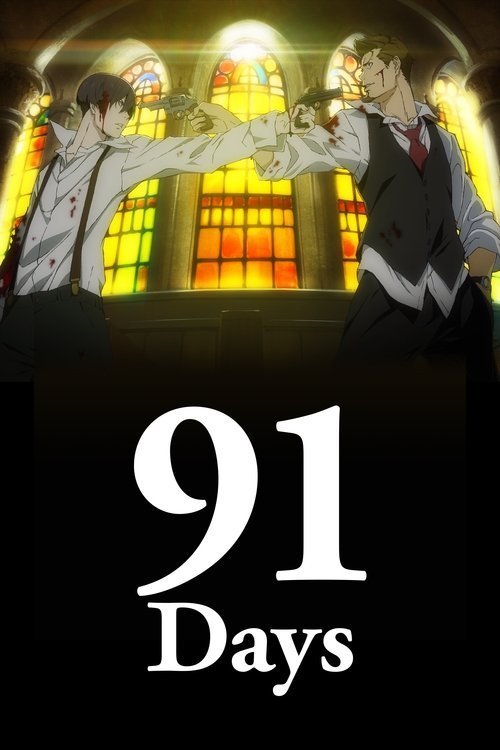 91 Days
(2016)
91 Days
(2016)
Prohibition-era mafia revenge in 13 episodes. Tight, self-contained, and willing to let the consequences of violence be permanent. Fits alongside The Godfather and Boardwalk Empire.
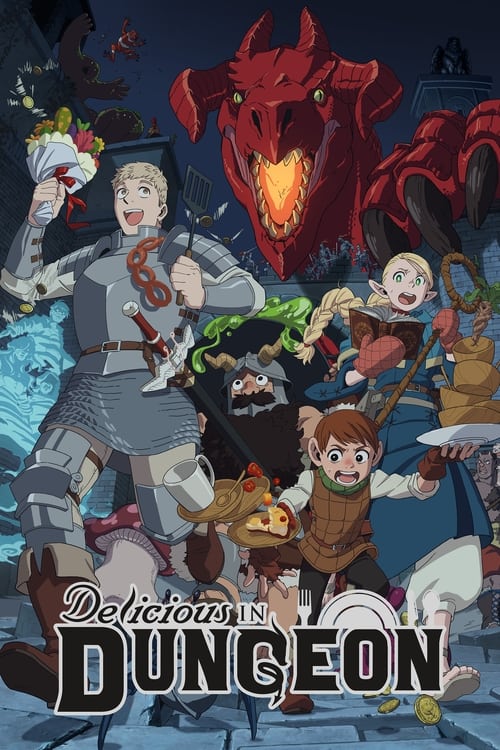 Delicious in Dungeon
(2024)
Delicious in Dungeon
(2024)
An adventuring party eats the monsters in a dungeon to survive. Comedy premise, serious world-building. Studio Trigger treating fantasy ecology as a real system.
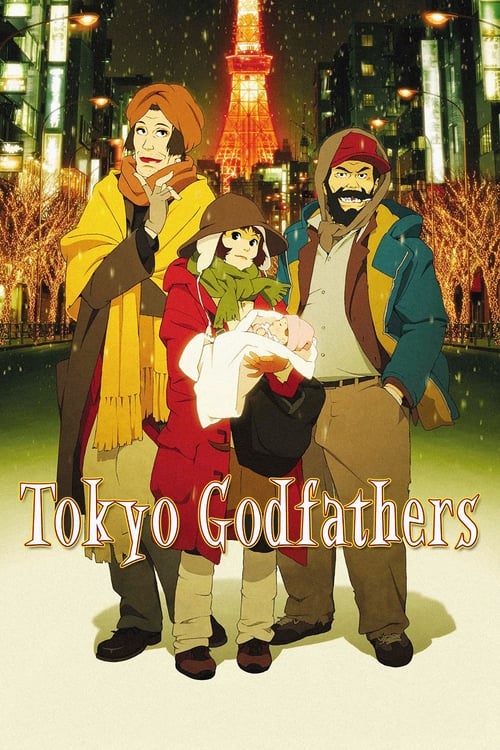 Tokyo Godfathers
(2003)
Tokyo Godfathers
(2003)
Satoshi Kon's most grounded film. Three homeless people find an abandoned baby on Christmas Eve. Dignity under institutional abandonment, held together by chance and stubbornness.
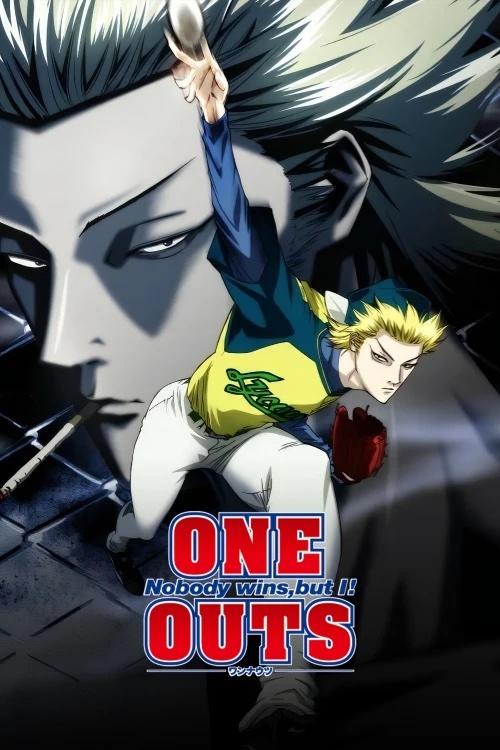 One Outs
(2008)
One Outs
(2008)
Game theory applied to baseball. A genius gambler enters professional baseball with a contract designed to bankrupt him. Pure strategic thinking in an adversarial system.
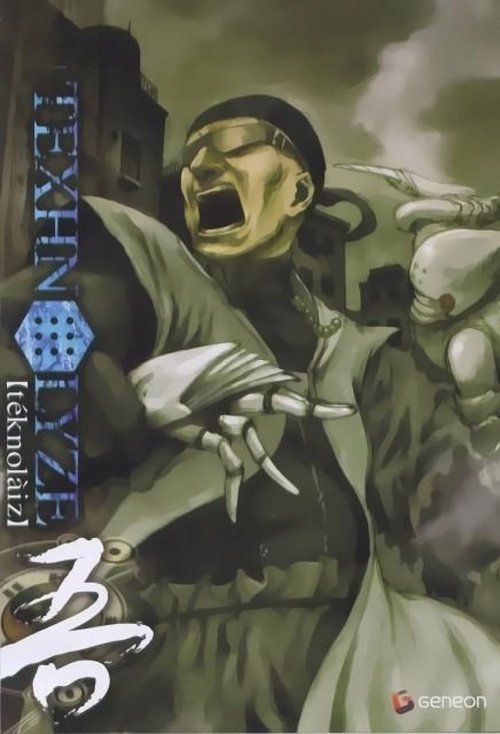 Texhnolyze
(2003)
Texhnolyze
(2003)
Nihilism, institutional collapse, and technology replacing humanity. Set in an underground city where cybernetic limbs are the only economy. The darkest anime on this list.
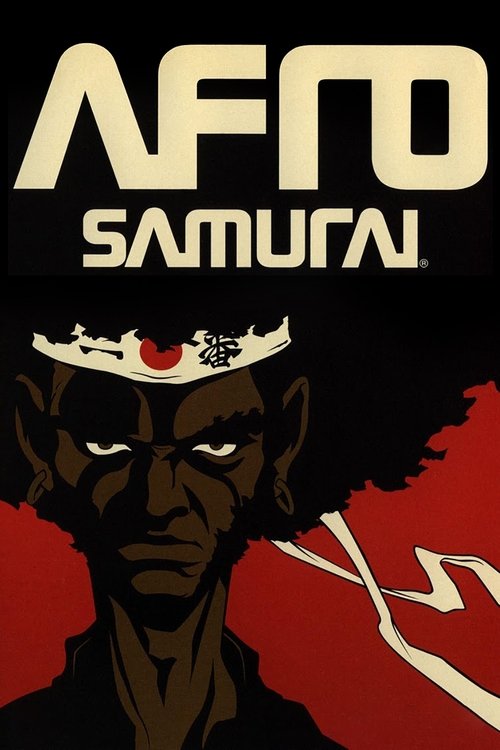 Afro Samurai
(2007)
Afro Samurai
(2007)
Hip-hop, samurai, and a revenge quest through a feudal-futuristic Japan. Samuel L. Jackson voices the lead. Style-driven and unapologetically violent.
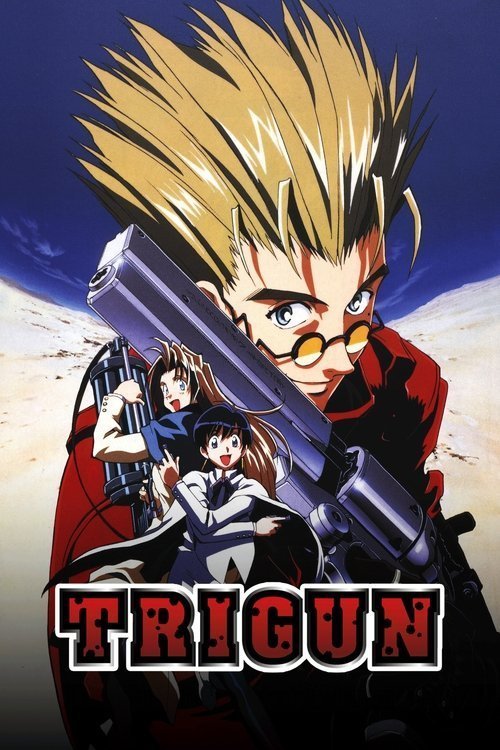 Trigun
(1998)
Trigun
(1998)
Bebop-era sibling. A legendary outlaw who refuses to kill, testing pacifism as philosophy in a world that punishes it. Starts comedic, becomes serious.
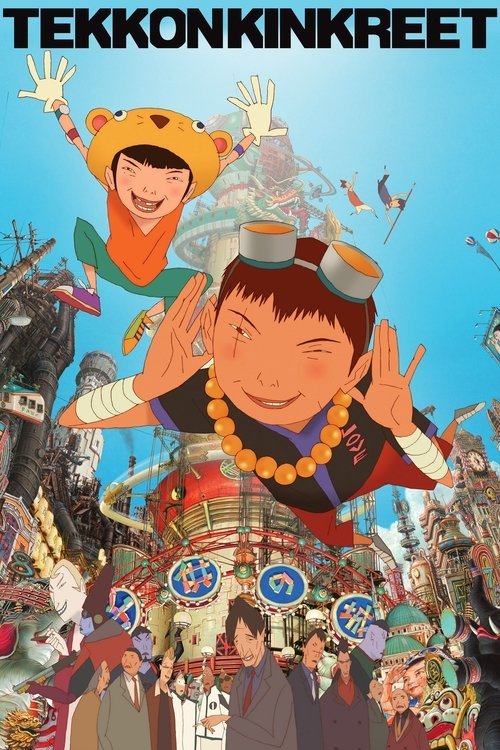 Tekkonkinkreet
(2006)
Tekkonkinkreet
(2006)
Two orphans defending their territory in a city being consumed by development. Urban decay, childhood, and violence as the only language the system understands.
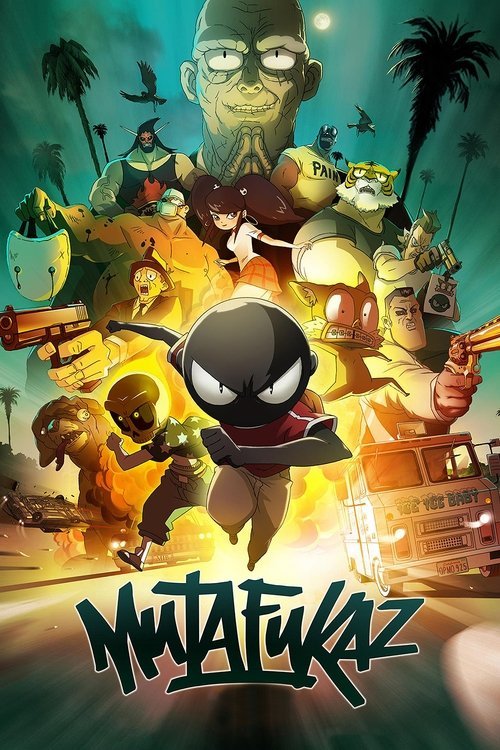 Mutafukaz
(2017)
Mutafukaz
(2017)
French-Japanese co-production set in a Los Angeles analogue. Conspiracy, aliens, and life at the margins. Visually inventive, narratively chaotic.
Animation
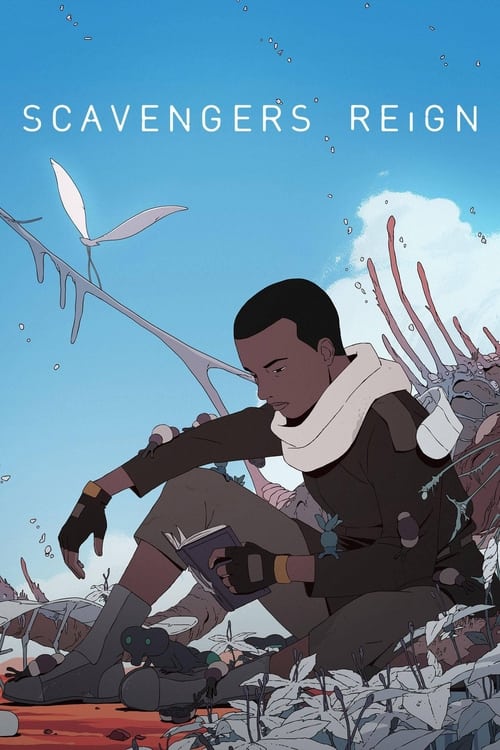 Scavengers Reign
(2023)
Scavengers Reign
(2023)
Survivors of a crashed spacecraft adapt to an alien planet with its own ruthless ecology. Slow, wordless, and beautiful. Animation as nature documentary for a world that doesn't exist.
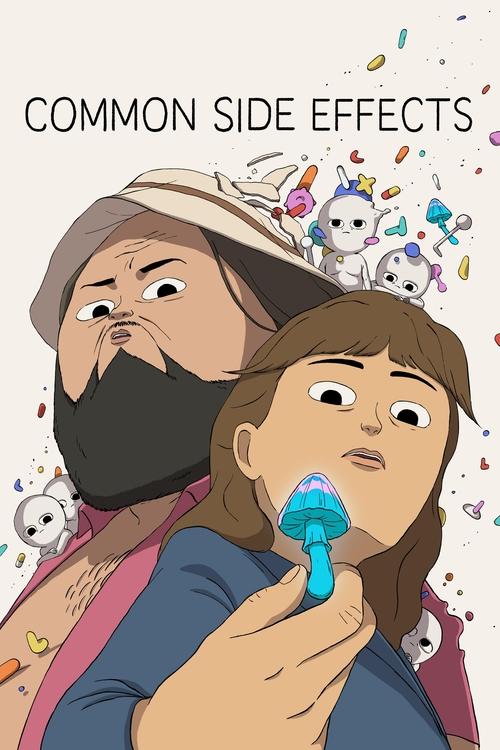 Common Side Effects
(2025)
Common Side Effects
(2025)
From the creator of Bojack Horseman. Pharmaceutical conspiracies and American dysfunction. Adult animation that takes its premise seriously.